
Diplomacy over Upma Idli
☕ India’s Morning Briefing: Sun, November 30


Hello, and welcome to the brief.
Good morning, friends.
Today, there are alliances being formed (or not broken) over idli-sambhar; your travel plans can get affected because of the sun; we are back in IMO; and Indian Men hockey team made a loud roar!
Welcome to the 170th edition of The India Brief
Do not miss the deep dive in the end
1. 🇮🇳 National News: Storms, Stealth & Statues
🔌 Adani Plans $5 Billion Google Investment Amidst US Indictment
• Adani Group to invest $5 billion in Google’s AI data centres in India.
• Follows US indictment of Gautam Adani on bribery charges; MEA denies prior knowledge.
• Deal focuses on 1 GW capacity in Andhra Pradesh; aims to boost digital infrastructure.
Nothing says “business as usual” like pledging billions to Big Tech while fighting off federal prosecutors. It’s a masterclass in compartmentalisation: on one line, you have the DOJ; on the other, you have Alphabet Inc. It appears capital has a very short memory and a very high tolerance for risk.
Follow the Currency: Adani is optimising for institutional legitimacy. By embedding himself into the supply chain of a US tech giant like Google, he creates a commercial shield that makes him “too critical to disconnect,” complicating any potential diplomatic or economic isolation from the West. 🔗
🌀 Cyclone Ditwah Kills 123 in Sri Lanka; India Launches ‘Op Sagar Bandhu’
Cyclone Ditwah wreaks havoc; 123 dead, 130 missing in Sri Lanka.
India launches ‘Operation Sagar Bandhu’; INS Vikrant & INS Udaigiri deliver aid.
Storm entering South Andhra-Tamil Nadu coast; heavy rain forecast.
Sri Lanka has declared a state of emergency
Sri Lanka is facing its worst natural disaster in two decades, and India has stepped in as the “first responder” of the Indian Ocean. While Colombo declares an emergency, Chennai is bracing for impact.
The Meta-Narrative: This is disaster diplomacy in action. By deploying the INS Vikrant (an aircraft carrier) for humanitarian aid, India is signalling its capacity to be the net security provider in the Indian Ocean Region, effectively countering regional competitors like China through benevolence rather than just bases. 🔗
✈️ DGCA Grounds Airbus A320s Over Solar Flare Risk
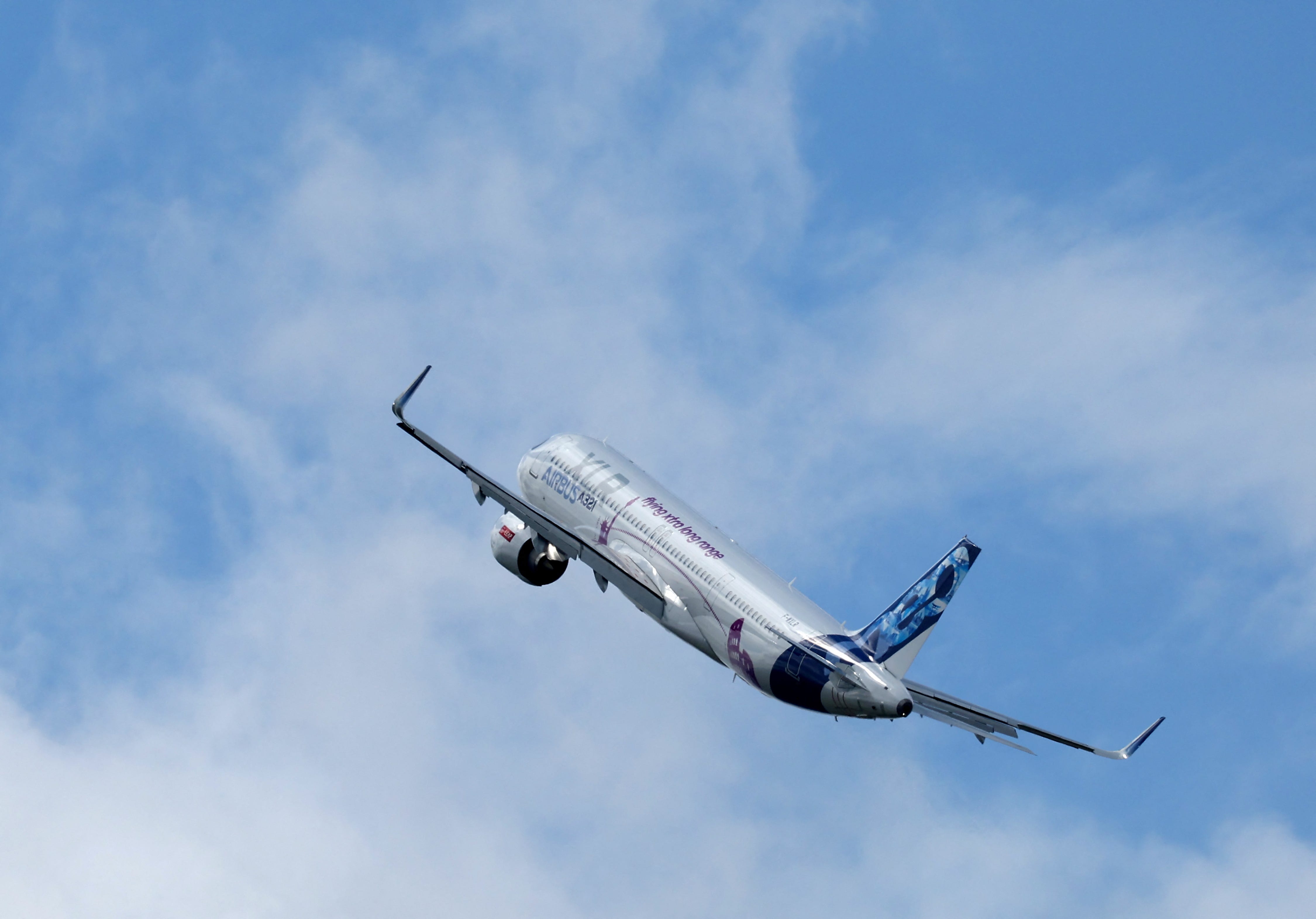
DGCA bars operation of certain Airbus A320/A321 aircraft.
Solar radiation found to corrupt flight control data; 6,000 planes affected globally.
Urgent software/hardware modifications mandated for safety.
In a twist straight out of a sci-fi movie, the sun is now grounding your flight. It turns out modern avionics are allergic to space weather. 🔗
⚔️ Karnataka Power Tussle: The Breakfast Diplomacy
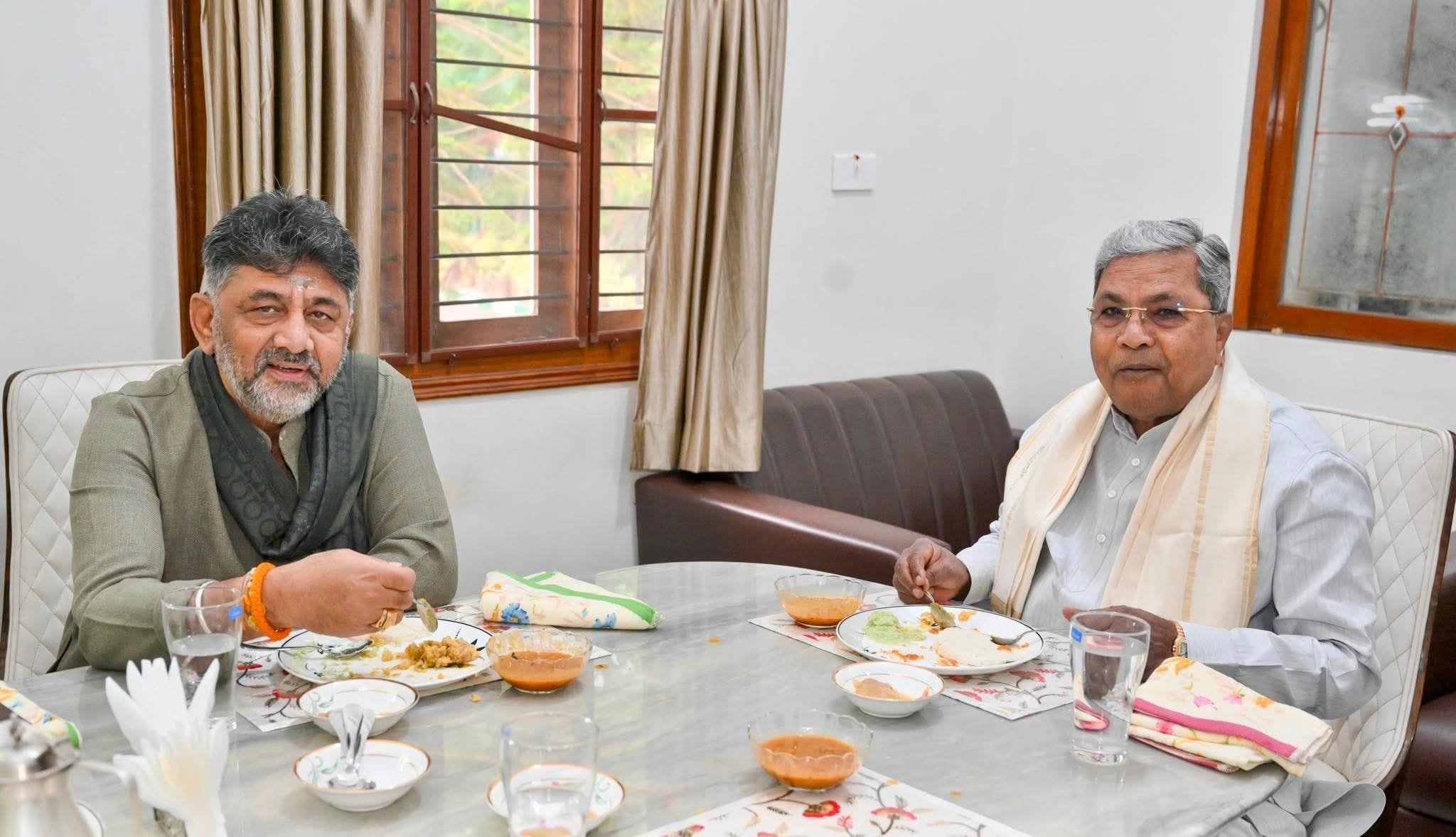
CM Siddaramaiah and Dy CM D.K. Shivakumar meet for breakfast.
Follows social media spat and leadership battle rumours.
High Command intervened; leaders present united front.
Nothing solves a political civil war like idli-sambar. The two heavyweights of Karnataka politics are breaking bread to stop breaking the party. 🔗
🏢 Bengal’s Raj Bhavan Gets a New Name
West Bengal Raj Bhavan renamed to Lok Bhavan
Governor Ananda Bose oversees change.
Follows Union Home Ministry notification from Nov 25.
Part of broader move to shed colonial nomenclature.
The Governor is scrubbing the colonial paint off the walls. Changing names is the easiest form of reform; it requires paint, not legislation.
Find the Pattern: This fits the broader pattern of decolonisation of symbols (like Rajpath to Kartavya Path). It’s a symbolic assertion of “Bhartiya” identity over British legacy, used often to signal a cultural break from the past without necessarily changing the administrative structure within the building and the colonial era laws. 🔗
2. 🌍 Global Headlines: Fire, Floods & Borders
🇺🇸 Trump Freezes Asylum; Targets ‘Third World’ Migration
President Donald Trump freezes all asylum decisions.
Pledges to pause migration from “third world countries”.
Follows shooting of National Guard troops by Afghan national.
Trump 2.0 is doubling down on the fortress mentality. The rhetoric has moved from “build the wall” to “close the door completely.”
Follow the Currency: Trump is optimising for nativist voter satisfaction. By linking a specific violent incident (National Guard shooting) to a broad policy (migration freeze), he delivers on his core campaign promise of “security first,” prioritising the feeling of safety among his base over international humanitarian norms. 🔗
🇷🇺 Russian Strikes Hit Kyiv; 3 Dead
Russian missile/drone strikes kill 3, injure dozens in Kyiv.
Ukrainian delegation heads to US for war negotiations.
Zelenskyy appoints Rustem Umerov to lead peace talks. 🔗
🇹🇭 Thailand Floods Kill 162; PM Admits Failures
Death toll in Southern Thailand floods rises to 162.
1.4 million households affected; PM Anutin Charnvirakul admits response gaps.
Recovery and compensation plans outlined.
🔗
🇦🇺 Australian PM Anthony Albanese Marries in Office

PM Anthony Albanese marries Jodie Haydon in Canberra.
First Australian PM to get hitched while in office.
Private ceremony amidst political duties.
Love actually happens, even in geopolitics. It’s a rare moment of personal joy in a news cycle dominated by floods and fires. 🔗
3. 🌞 Happy News
🏑 India Thrashes Canada 14-3; Enters Sultan Azlan Shah Final
Indian Men’s Hockey Team beats Canada 14-3 in Ipoh.
Jugraj Singh scores 4 goals; storm into final vs Belgium.
Dominant performance tops pool standings. 🔗
🎮 GamingCon Bharat 2025 Kicks Off in Mumbai
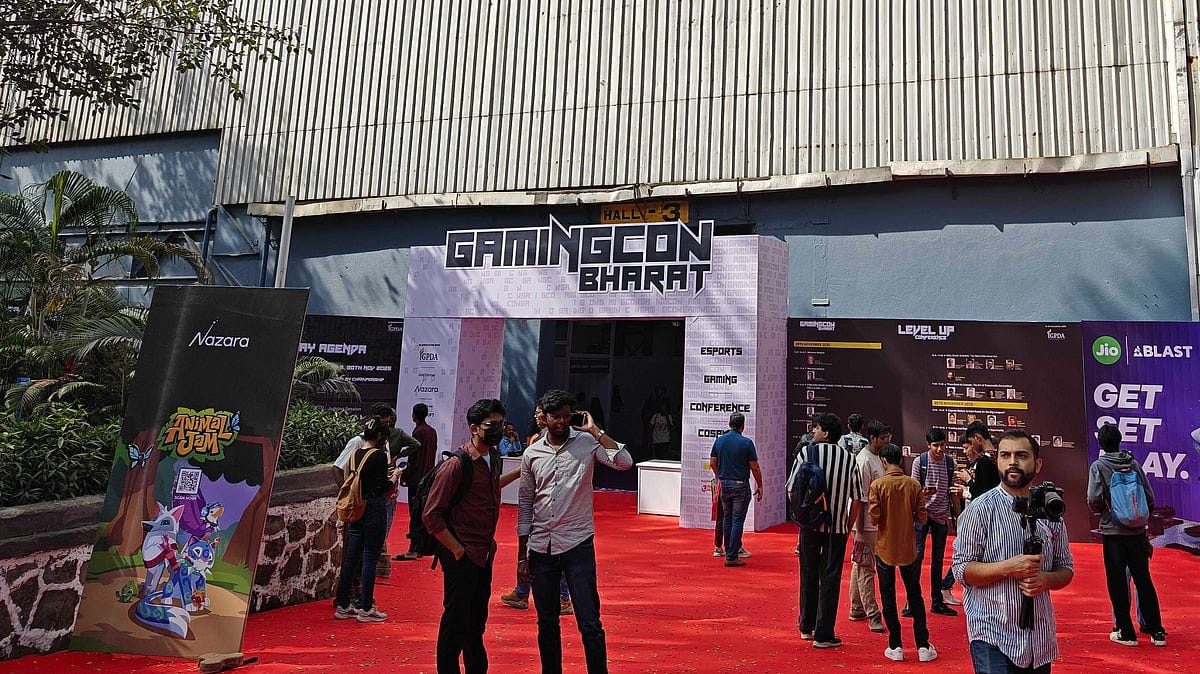
GamingCon Bharat 2025 begins; positions India as gaming hub.
Govt commits to regulatory clarity; JioBLAST debuts esports venture.
Focus on talent development and digital economy.
Mumbai is levelling up. India is finally treating gaming not as a vice, but as a billion-dollar industry. ♞ The Meta-Narrative: This is the formal recognition of the Creator Economy as a legitimate industrial pillar. By backing esports, the state is acknowledging that the future of soft power and employment lies as much in pixels as it does in factories. 🔗
🌍 India Re-Elected to IMO Council
India re-elected to International Maritime Organisation (IMO) Council.
Secured highest votes in Category B (nations with major seaborne trade).
Validates India’s growing influence in global maritime affairs.
We rule the waves, or at least, the committee that rules the waves. Getting the highest votes is a diplomatic flex.
Follow the Currency: This win optimises for trade security. A seat at the IMO high table allows India to shape global shipping norms (on emissions, security, piracy) to favour its own expanding trade interests and merchant navy workforce. 🔗
4. 🔍 Deep Dive
The High Table of the High Seas
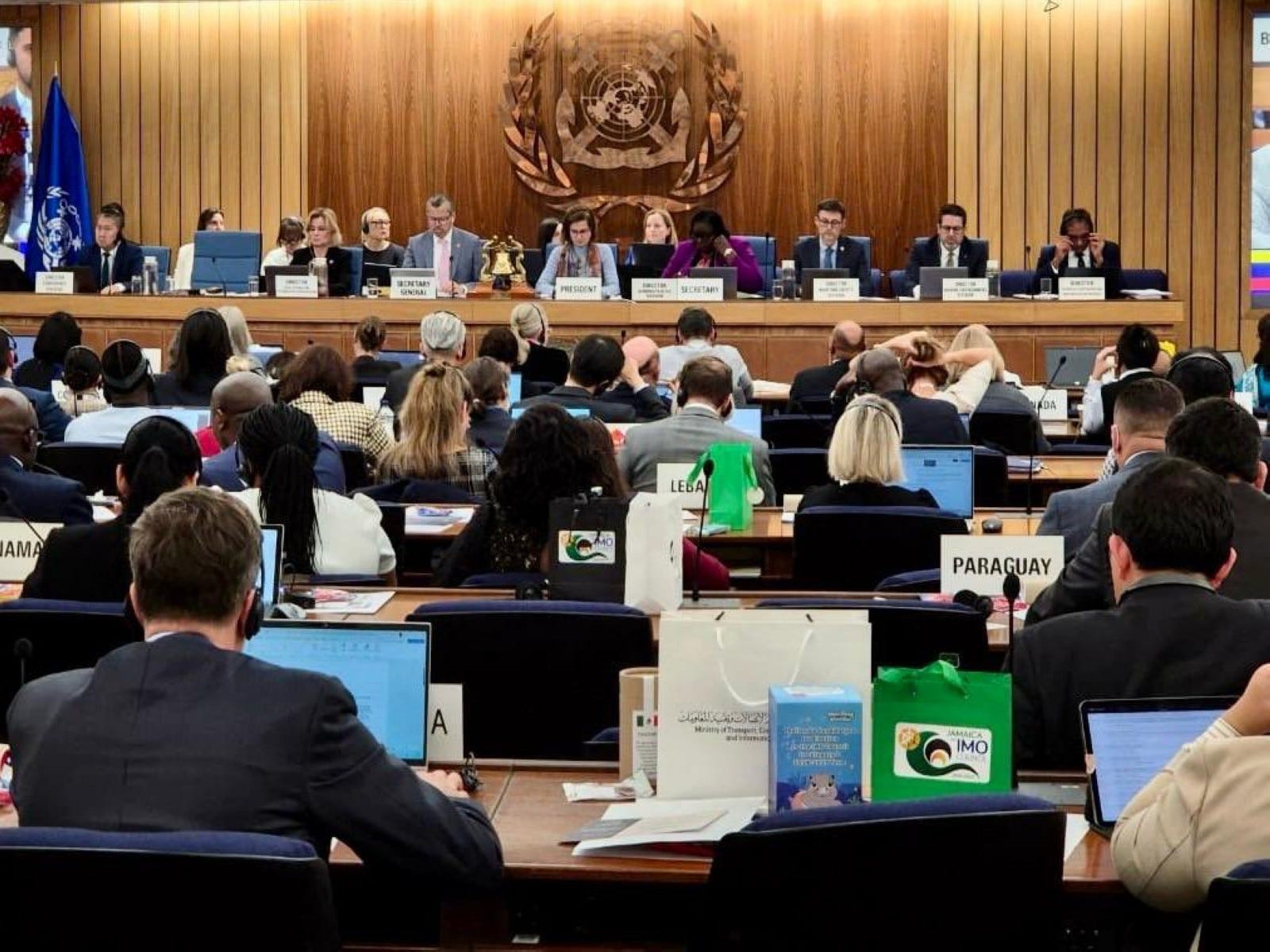
On November 29, 2025, India was re-elected to the International Maritime Organisation (IMO) Council for the 2026-27 term. Not only did we win, but we also secured the highest number of votes (154 out of 169) in Category B.
Why Should You Care? (The Expert View) To the average observer, this sounds like a bureaucratic footnote. In reality, it is a massive diplomatic flex with direct consequences for your wallet and national security. Here is your three-minute masterclass on why this seat matters.
1. The Power Structure: What is “Category B”?
The IMO is the “United Nations of Shipping.” It doesn’t just hold meetings; it writes the traffic rules for the oceans. Its power centre is the Council (40 members), divided into three castes:
Category A (The Ship Owners): Nations providing shipping services (e.g., China, Greece, Panama). They own the boats.
Category B (The Traders): Nations with the largest interest in international seaborne trade. This is where India sits, alongside heavyweights like Germany and Australia. We are the ones filling the boats with goods.
Category C (The Geography): Nations ensuring regional representation.
The Insight: By dominating Category B, India asserts itself as a global consumption engine. We aren’t just shipping service providers; we are the market that drives the industry.
2. The Incentive: Rule-Maker vs. Rule-Taker
95% of India’s trade by volume moves by sea. If you aren’t at the table where shipping rules are made, you end up paying for them.
The Green War: The biggest battle at the IMO right now is the Global Carbon Levy. Western nations want a flat tax on shipping emissions to fund green tech. This would make Indian exports (like textiles and grain) significantly more expensive.
India’s Play: From this Council seat, India fights for a “bridging mechanism”—essentially ensuring that developing nations aren’t unfairly penalised for historical pollution by the West. We are the firewall protecting the Global South from “greenflation.”
3. The Geopolitics: Vision MAHASAGAR
This victory isn’t just about trade; it’s about Vision MAHASAGAR (Mutual and Holistic Advancement for Security and Growth Across Regions). China is aggressively expanding its maritime footprint (Category A member). By securing the top vote in Category B, India signals its legitimacy as a “Net Security Provider” in the Indian Ocean. It tells the world: “You might sail through these waters, but we secure them.”
4. What Happens Next?
Expect India to aggressively push for digitisation of port formalities and seafarer welfare. But the real fireworks will be over the Net-Zero 2050 strategy. India will use this term (2026-27) to ensure the transition to green fuels (like Green Hydrogen/Ammonia, where India aims to be a hub) is subsidised by the global system, rather than taxed out of existence.
The Bottom Line: India just renewed its membership to the most exclusive club in the ocean. We didn’t just get a seat; we got the megaphone.
❓ The Daily Question With DGCA grounding planes due to solar radiation risks, we are reminded of our fragility. If a massive solar flare wiped out global internet for 24 hours tomorrow, what is the one analog skill you would rely on to survive (or just stay sane)?
Reply to this email with your thoughts.
Stay safe,
Aditya S.
Editor, OneRead.News