
All the best if you’re living in the gas chamber called Delhi
☕ India’s Morning Briefing: Mon, October 20


Good morning India
Welcome back to TIB. We apologise for the unannounced week long break. Due to a technical error, we did not have access to our accounts and devices. But we are back, informing you the right way. And we are back stronger.
A very happy Diwali to all our readers
Welcome to the 141st edition of The India Brief
Do not miss the deep dive in the end
1. Politics & Power Plays
🏛️ Amit Shah Reminds Bihar Who’s Boss
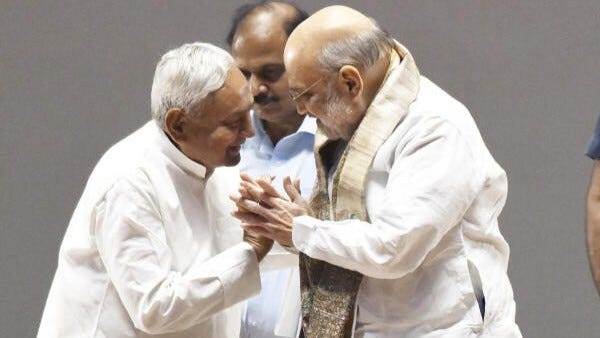
NDA to fight election; under Nitish Kumar’s leadership
But CM choice; left to MLAs post-poll
JD(U) forced to publicly reaffirm; Nitish as the only choice
The Bottom Line: Shah is optimising for maximum post-election leverage. By leaving the CM question open, he incentivises BJP candidates to outperform and signals to voters that a stronger BJP mandate could change the leadership, all while avoiding a pre-poll alliance rupture. 🔗
😠 JNU Protest Ends in Police Cases Against Protesters
Students protest alleged ABVP violence; police inaction
Scuffle with police; 28 students detained
Delhi Police files FIR; against JNUSU President, other leaders 🔗
🙏 BJP MP ‘Purifies’ Historic Pune Fort
BJP MP Medha Kulkarni; performs ‘purification’ ritual
At Shaniwarwada fort; after ‘namaz’ was offered there
Opposition NCP; demands police file a case
Nothing says “inclusive cultural heritage” quite like bringing out the holy water to scrub away someone else’s prayers. It’s less of a dog whistle and more of a full-blown foghorn. 🔗
📜 Karnataka Drafts Landmark Bill for Domestic Workers
Aims to regulate domestic work; ensure social security
Mandates written contracts; minimum wages; 48-hour work week
Proposes welfare board; grievance committees 🔗
2. The Festive Economy & Its Costs
💨 Delhi Chokes as Diwali Approaches
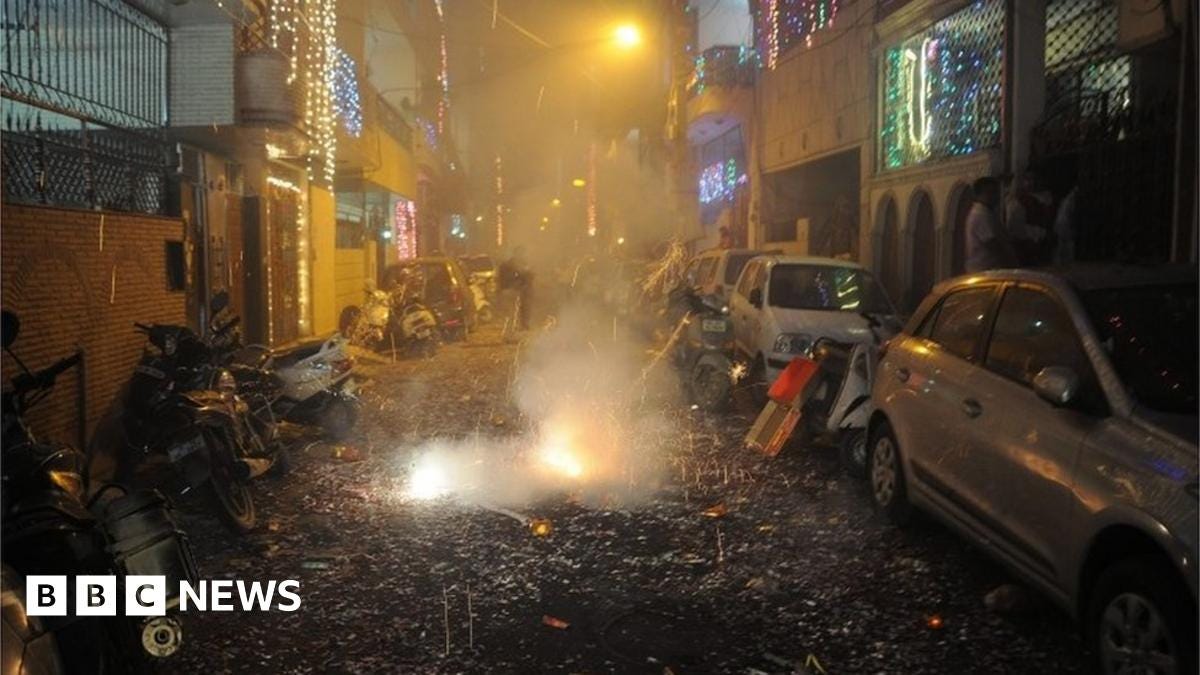
Delhi’s AQI; crosses 300 into ‘Very Poor’ category
GRAP Stage-2 restrictions; now in force across NCR
CM appeals to public; use only certified green crackers
It’s that magical time of year again when you can’t tell if the haze outside is festive fog or a city-wide health emergency. Delhi is getting a head start on its annual transition into a dystopian movie set. 🔗
💰 Gold Prices Dip, Sparking ₹60,000 Crore Shopping Spree
Gold prices fall slightly; from all-time highs
Triggers massive Dhanteras buying; sales cross ₹60,000 crore
Silver prices also tumble; but demand remains robust 🔗
👨⚕️ Maharashtra Has Just 130 Food Safety Officers on Field
State requires 1,100 food safety officers; has only 130 active
194 more are in training
FDA admits; impossible to inspect every eatery 🔗
🏏 India Crumbles in First ODI Against Australia
Australia wins by 7 wickets; in rain-shortened match
Veterans Rohit Sharma & Virat Kohli; fail on their return
India posts low score; of 136/9 in 26 overs 🔗
3. Global Chessboard
💥 Gaza Ceasefire Collapses into Airstrikes and Bloodshed
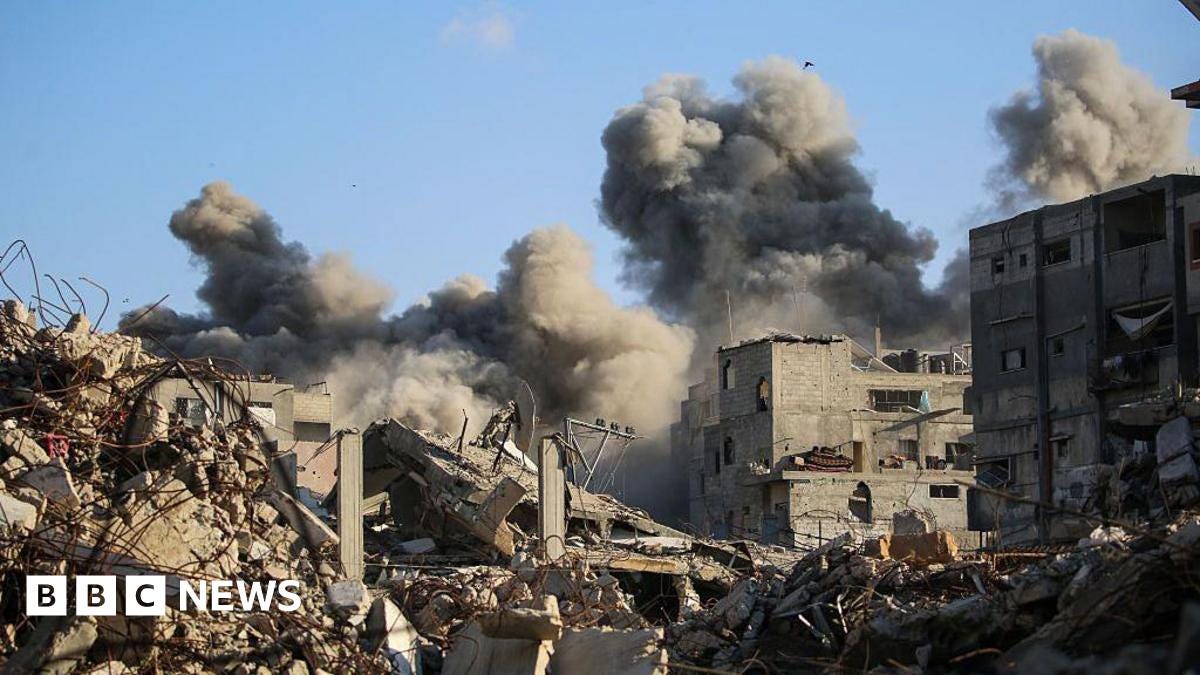
Fragile ceasefire shatters; after attack on IDF troops
Israel launches retaliatory strikes; across Gaza
At least 45 Palestinians reported killed; 2 Israeli soldiers dead
Israel says it will return to ceasefire hours after the strike
The world’s shortest and least convincing intermission is over, and the main feature has resumed with a vengeance. The “ceasefire” lasted just long enough for both sides to reload and issue press releases blaming the other.
The Chessboard: This isn’t just a ceasefire violation; it’s a stress test of international diplomacy’s relevance. The failure reinforces the narrative that external actors (like the US) can broker pauses but cannot enforce peace, leaving regional actors to dictate events through force. 🔗
🇺🇸 US Government Grinds to a Halt, Protesters Fill the Streets
US government shutdown; now 19 days long, third-longest ever
900,000 federal workers furloughed
Millions join nationwide; “No Kings” anti-Trump protests 🔗
🎯 Ukraine Strikes Deep Inside Russia, Hits Key Oil Facilities
Ukrainian drones; hit Novokuibyshevsk oil refinery; Orenburg gas plant
Strikes demonstrate significant; long-range capability
Causes major fires; disrupts Russian energy infrastructure 🔗
💎 Thieves Steal Napoleon’s Jewels from the Louvre

Brazen daylight heist; at world’s most visited museum
Napoleon-era jewels stolen; from the Apollo Gallery
Thieves reportedly used chainsaws to break displays
Using chainsaws to rob the Louvre is the kind of chaotic evil energy you have to respect. It’s less ‘Ocean’s Eleven’ and more ‘The Texas Chainsaw Massacre’ meets ‘National Treasure’. 🔗
🇧🇴 Bolivia Ends Two Decades of Socialist Rule
Center-right candidate; Rodrigo Paz wins presidency
Ends 20 years of socialist government
Paz won runoff; with 54.5% of the vote 🔗
4. The Bright Side
💡 Ayodhya Lights Up the World
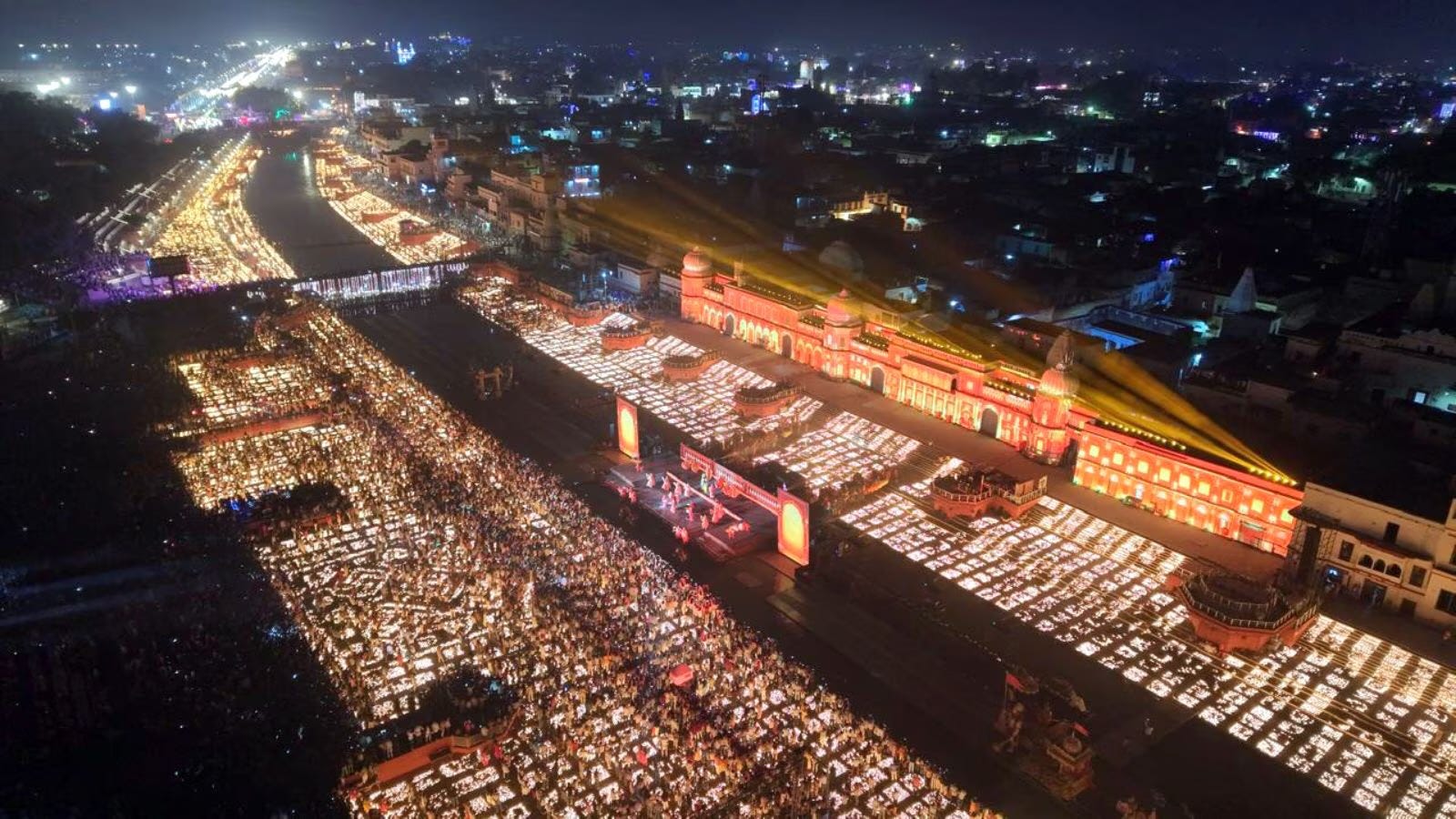
Ayodhya sets Guinness World Record; 26.17 lakh diyas lit
Second record set; for largest simultaneous aarti performance
Part of grand Deepotsav celebrations 🔗
♻️ Pune NGO Turns 100,000 kg of Waste Paper into Hope
NGO Little Leaf; transforms 100,000 kg of waste paper
Creates 13,000 notebooks; for underprivileged children
Simple initiative; helps keep kids in school 🔗
5. The Deep Dive
Why Karnataka’s Domestic Worker Bill is a Bigger Deal Than You Think
This isn’t just another piece of labour legislation; it’s a quiet earthquake poised to reshape the foundations of urban India. On the surface, the Karnataka Domestic Workers Bill promises the basics: written contracts, minimum wages, a 48-hour work week. Noble, but the real story lies in the second-order effects.
First, it forces a monetary and social revaluation of work that has been systemically undervalued due to its intersection with caste and gender. By mandating registration and a 5% welfare contribution, it drags a massive informal sector into the light, potentially increasing costs for millions of middle-class households. This economic pressure could, paradoxically, shrink the job market for the very people it aims to protect, as families opt for fewer hours or DIY solutions.
But the most profound impact is cultural. The bill challenges the feudal employer-servant dynamic, attempting to replace it with a formal, contractual employer-employee relationship. This shift, from a relationship based on patronage to one based on rights, is a radical act in the context of the Indian home. It may be messy and resisted, but it’s a necessary step in modernising not just our economy, but our social contract itself.
Now the challenge lies in implementing if this ever becomes a law
Your Turn
The Karnataka bill aims to provide dignity and rights to domestic workers, but it could also make hiring help more expensive and bureaucratic for households. At what point does formalisation become a burden, and how do we strike a balance between protecting workers and maintaining affordability for the families who employ them?
Reply with your thoughts.
Stay sharp,
Aditya S.