
Medical Emergency on International Space Station
☕ India’s Morning Briefing: Thu, January 15


Hello, and welcome to the brief.
Good morning, family.
Hello! Aditya S. here. It is Thursday, 15 January 2026. If you are feeling cold, just remember: space is colder, and geopolitics is currently freezing. Let’s thaw out the news.
Welcome to the 209th edition of The India Brief
The India Brief: Top Stories
The Big Freeze: North India Shivers
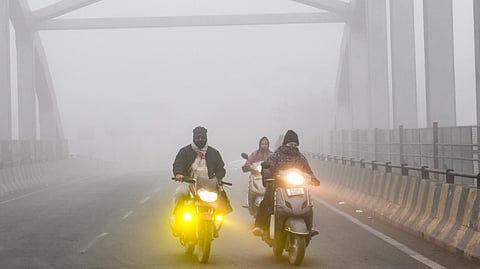
❄️ Drop: Delhi hits 3.8°C; coldest January morning in three years.
🌫️ Effect: Dense fog cripples flights/trains; Dal Lake partially freezes.
⚠️ Outlook: IMD predicts severe cold wave to persist till Jan 19.
The Take: When the Dal Lake freezes and Delhi’s AQI hits ‘Severe’, it is not just weather; it is a governance stress test. The annual collapse of transport infrastructure due to fog is now a predictable, yet unsolved, winter tradition.
Karnataka vs Centre: The MGNREGA Fight
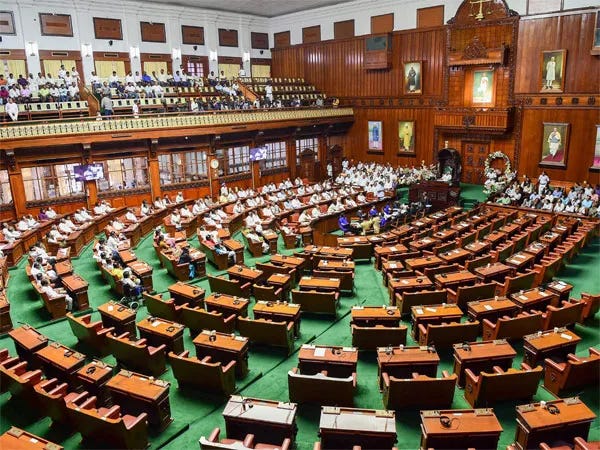
🏛️ Move: State Cabinet to convene Joint Session to oppose MGNREGA repeal.
📜 Dispute: Centre replaced Act with ‘Viksit Bharat Mission’; state calls it draconian.
🗳️ Tactic: Forcing the Governor to address the session adds constitutional spice.
The Take: This is federalism with gloves off. By turning a policy repeal into a legislative showdown, Karnataka is drawing a battle line. It is no longer just about rural jobs; it is about who controls the welfare narrative before the next election.
Supreme Court: The Corruption Shield
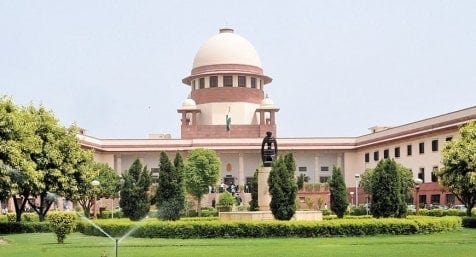
⚖️ Verdict: Split decision on ‘Prior Approval’ for probing public servants.
🔍 Nuance: Approval needed only if act relates to ‘official duty’.
🚫 Caveat: No shield for bribes; investigation can proceed there.
The Take: A judicial tightrope walk. The Court tries to protect honest officers from harassment while ensuring the corrupt can’t hide behind red tape. The distinction between ‘duty’ and ‘crime’ is sharp, but implementation will be messy.
Infosys Earnings: The Labour Code Hit
📉 Numbers: Q3 profit dips 2.2% despite revenue growth.
💸 Cause: One-time hit due to new Labour Code provisions.
🔮 Signal: Corporate India is financially bracing for labour reforms.
The Take: The first major signal that the new Labour Codes are biting balance sheets. Infosys is cleaning its books early, suggesting that the long-delayed implementation of these codes is finally becoming a financial reality for India Inc.
North-South Spat: The Kitchen Comment
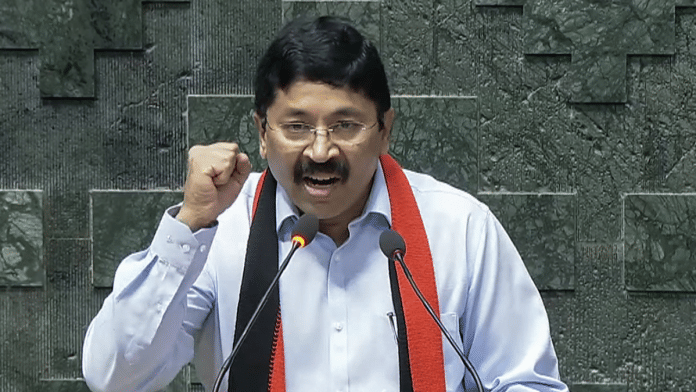
🗣️ Spark: DMK MP Maran compares TN education vs North’s ‘kitchen’ culture.
🔥 Reaction: BJP slams it as divisive; reignites cultural war.
📉 Context: Comments made at an event with Deputy CM Udhayanidhi.
The Take: Another foot-in-mouth moment for the DMK. While development disparities are real, framing them as cultural insults is lazy politics. It alienates the very migrant workforce that Southern industry relies upon.
Chess Ageless Wonder: Anand Leads
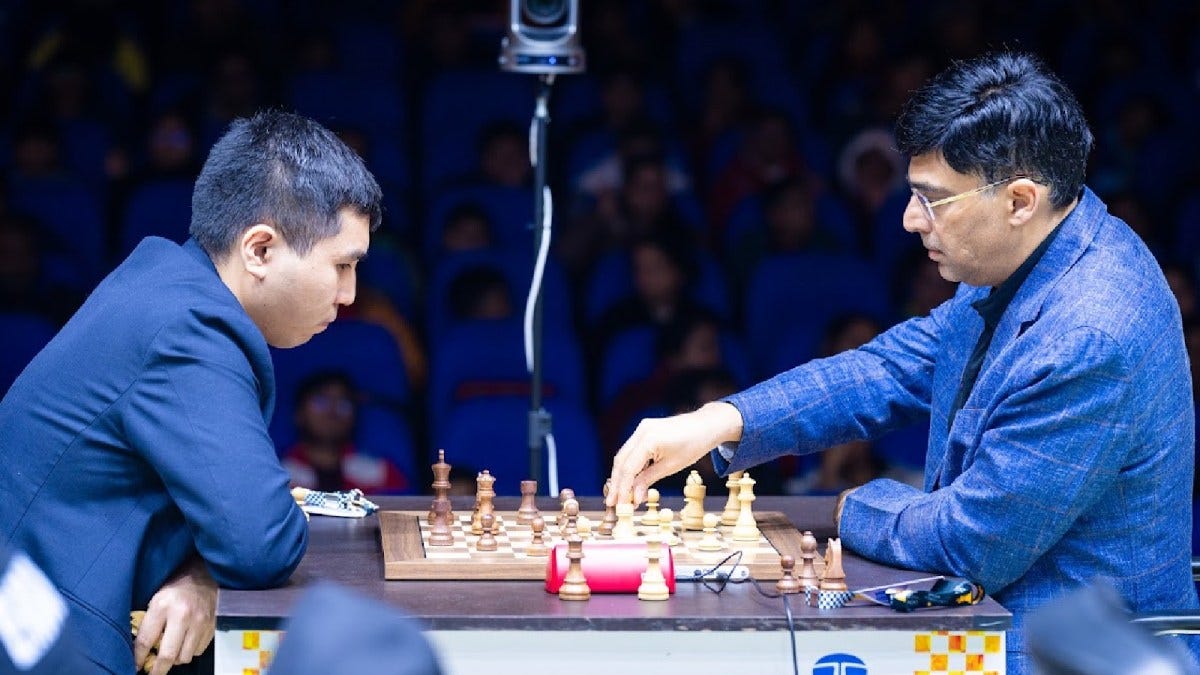
♟️ Feat: 56-year-old Vishy Anand leads Tata Steel Rapid.
🦁 Style: Resilience against youngsters; wins 2, draws 1.
🇮🇳 Legacy: Still the benchmark for the Golden Generation.
The Take: While the kids study AI lines, the Tiger from Madras still relies on raw intuition. Leading a super-tournament at 56 isn’t just impressive; it is ridiculous. He is effectively checking the concept of ‘retirement’.
World Watch: Top Global
WEF Risk Report: Geoeconomics
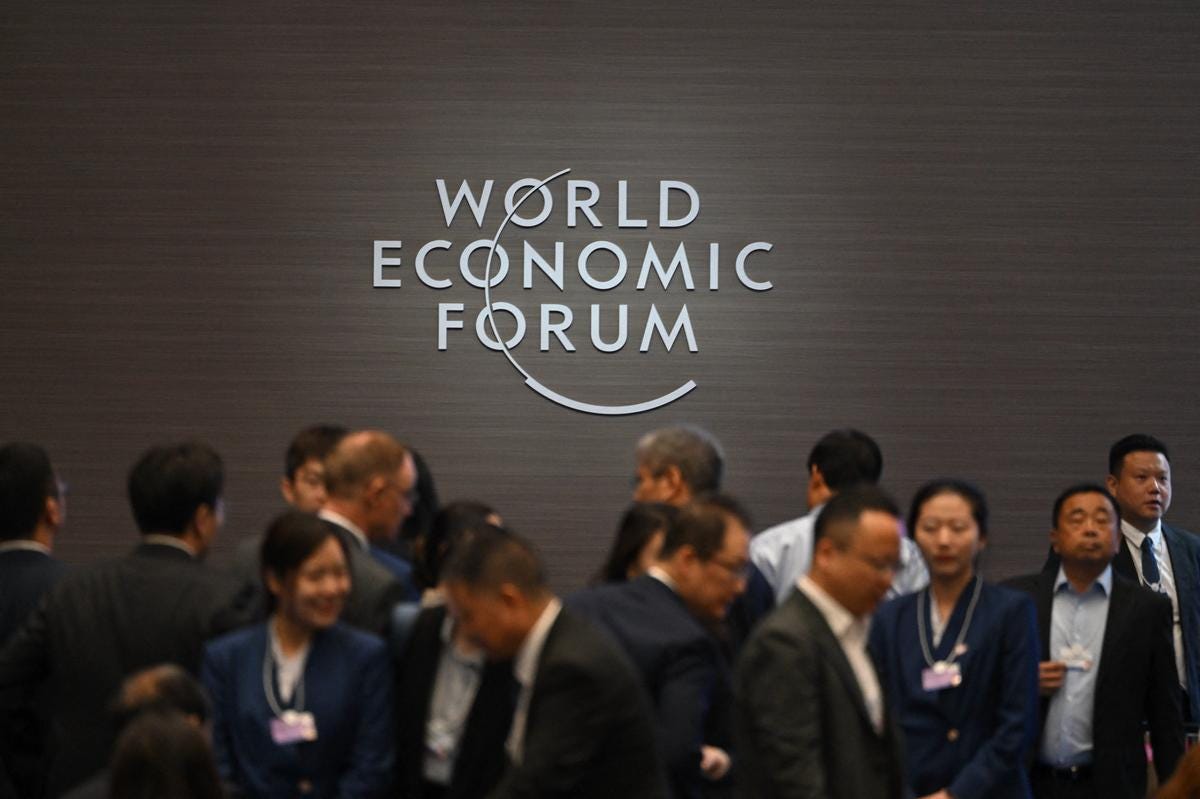
🌍 Risk: ‘Geoeconomic confrontation’ voted top global threat.
⚔️ Shift: Trade tools weaponised; sanctions replace diplomacy.
📉 Outlook: Davos crowd predicts turbulent 2 years ahead.
The Take: The suits at Davos have finally caught up with reality. Globalisation isn’t dying; it is being armed. When trade becomes a weapon, every supply chain decision becomes a national security dilemma.
Japan’s Rocket Fail: H3 Grounded
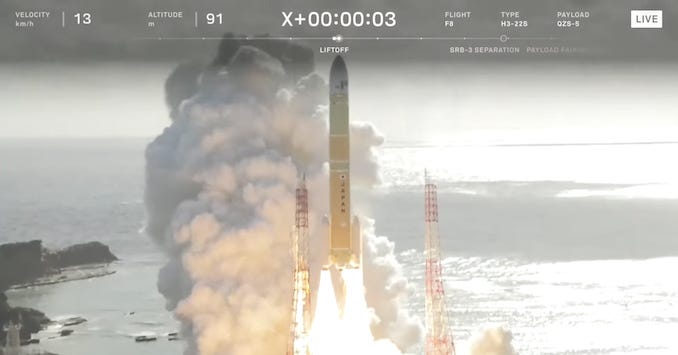
🚀 Failure: H3 rocket suffers 2nd stage anomaly; payload lost.
🤝 Trend: Mirrors ISRO’s failure; bad day for Asian space.
🛰️ Gap: Leaves global market dependent on SpaceX.
The Take: Two Asian space giants stumble on the same day. It highlights the brutal difficulty of rocketry. With Soyuz gone and these failures, Elon Musk’s monopoly on reliable access to space just got tighter.
NASA Emergency: Crew-11 Returns
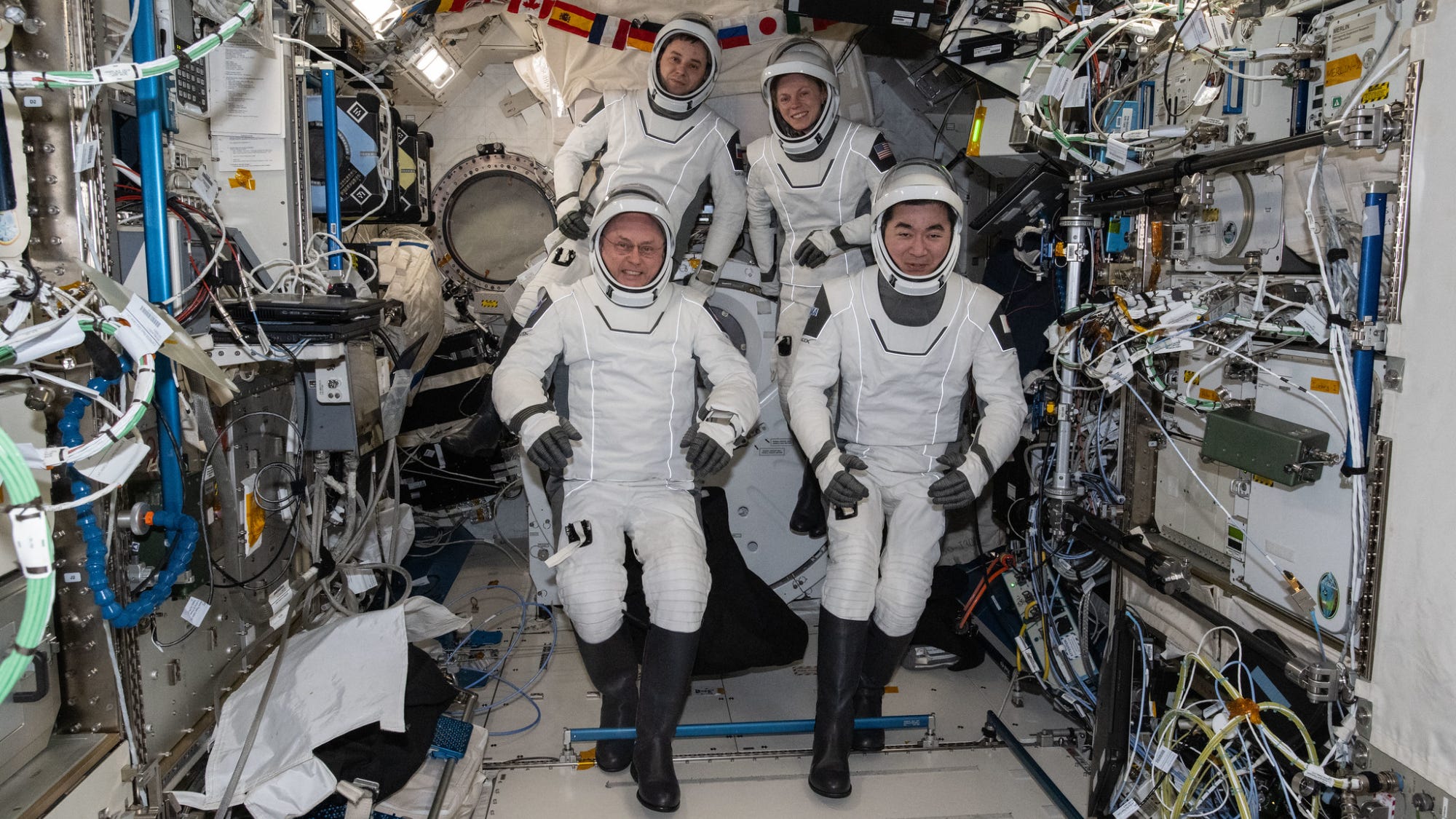
🚑 Alert: Astronauts ordered home early due to ‘medical issue’.
🌌 First: First medical evacuation in ISS history.
🤫 Privacy: NASA silent on details; lands Jan 15.
The Take: Space is hostile, and the human body is fragile. An emergency evacuation breaks the illusion of routine operations. It raises serious questions about our readiness for Mars if we can barely handle a medical crisis in Low Earth Orbit.
Gaza Phase 2: The Technocrats
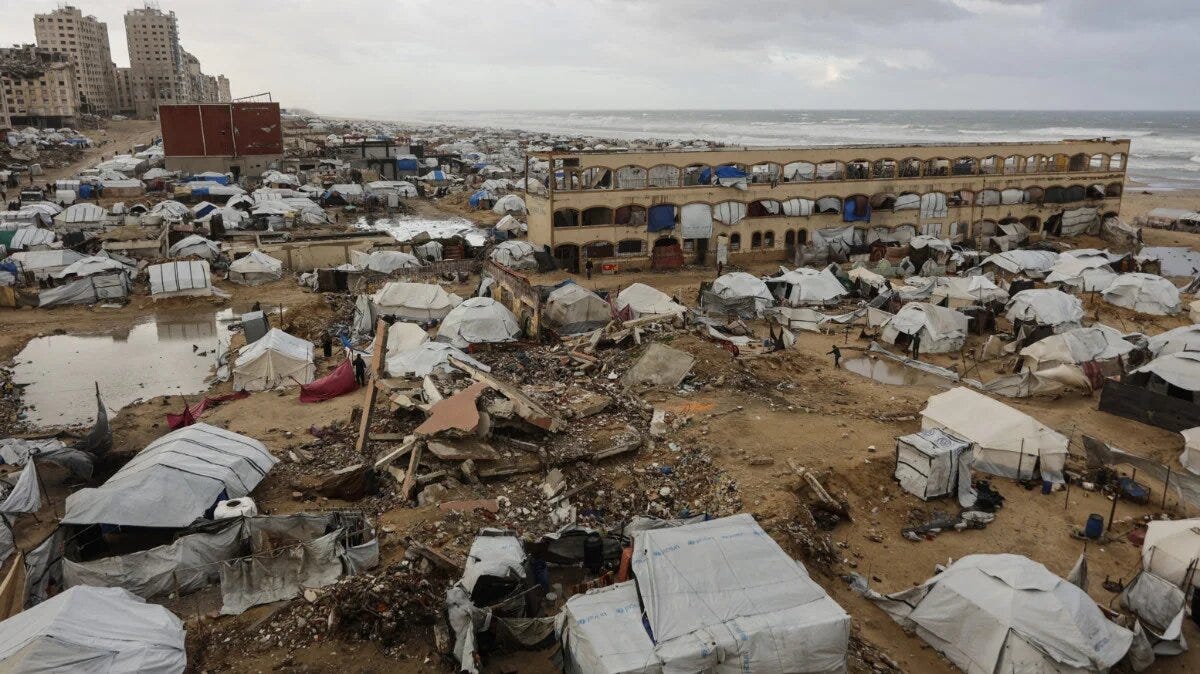
🕊️ Plan: US announces shift to ‘demilitarisation and governance’.
👔 Rule: Technocratic committee to run Gaza; Hamas sidelined.
🚧 Hurdle: Implementation remains the nightmare.
The Take: ‘Technocratic governance’ is diplomat-speak for ‘finding someone Israel tolerates and Palestinians won’t kill’. It is a neat plan on paper that ignores the messy, violent reality of the ground. Good luck finding volunteers.
The Good Stuff: Top Happy News
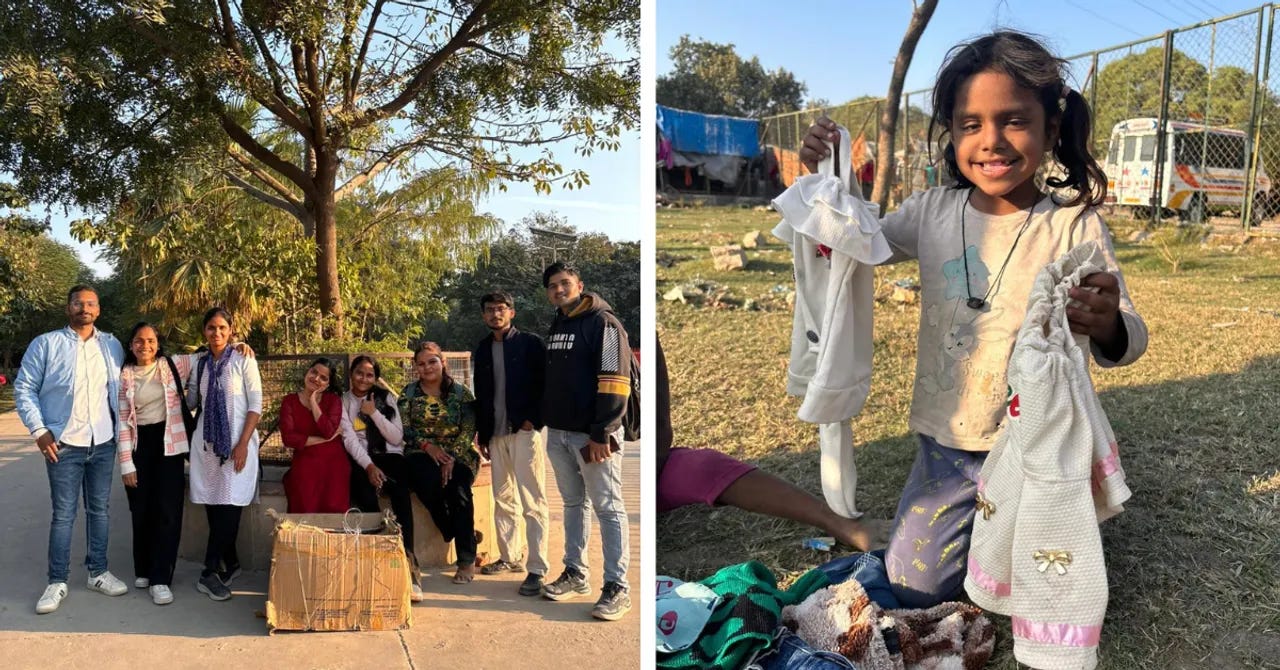
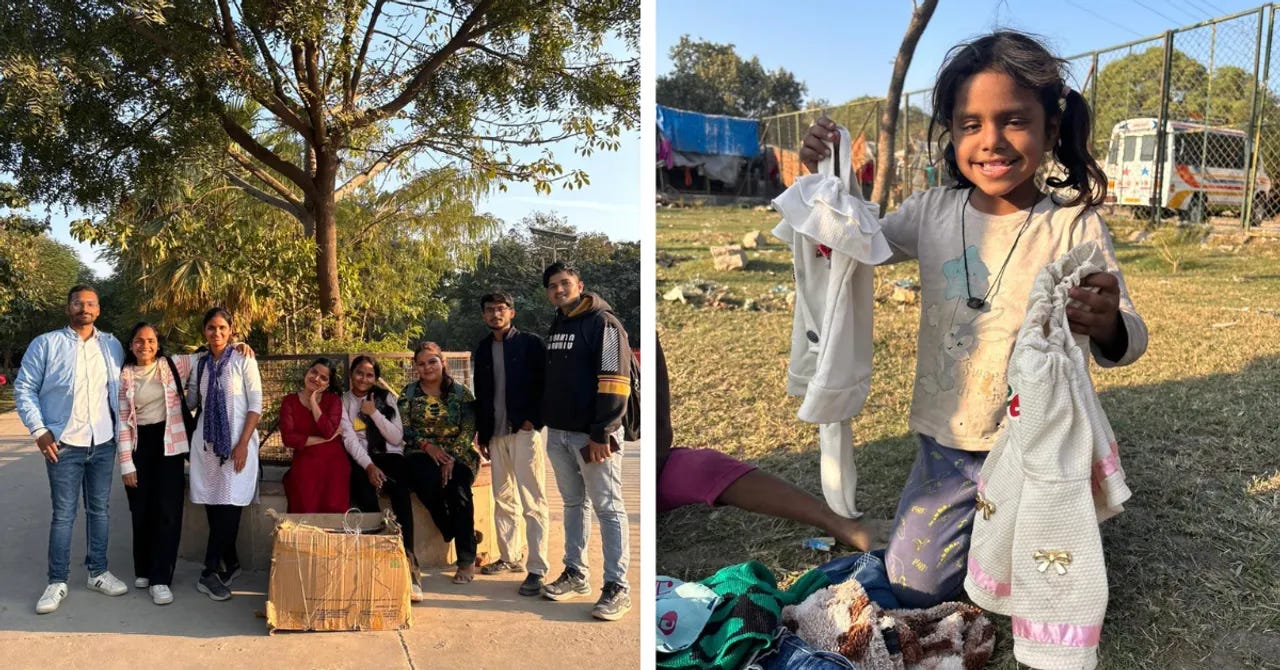
🧣 Warmth in Lucknow: Teen student Shagun Pal distributes winter kits to 400 homeless. Link
🌳 Green Village: Maharashtra Sarpanch plants 1.16 lakh trees, wins climate award. Link
🧠 AI for Good: Autistic innovators build ‘Neurolens’ to screen kids in 5 mins. Link
🛰️ Space Survivor: ‘KID’ capsule survives Mach 20 crash, sending vital data. Link
The Deep Dive: The KID That Lived
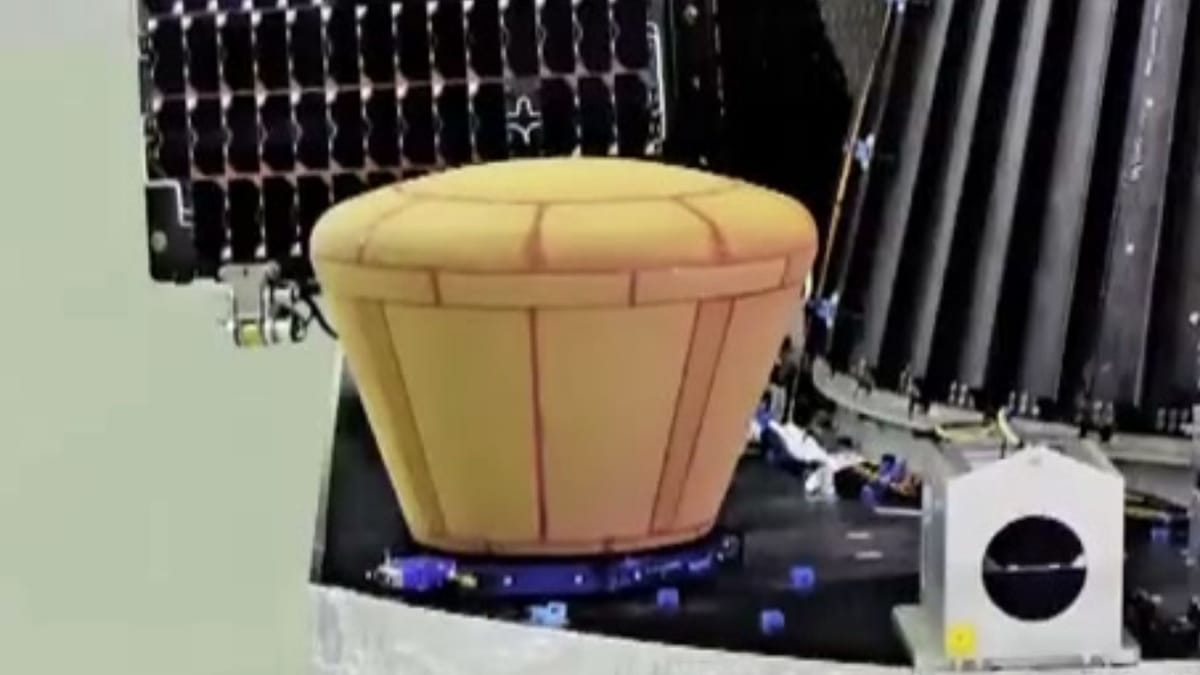
This week was a bad week for Indian spaceflight. The PSLV, usually as reliable as a Swiss watch, turned into a runaway firework. The third stage faltered, the trajectory skewed, and fourteen satellites met a fiery end in the atmosphere. It was a failure of the ‘workhorse,’ a stark reminder that physics doesn’t care about your past success rate.
But amidst the debris and the depressing telemetry graphs, there was a ghost in the machine. A small experimental payload named the KID Capsule, designed by Orbital Paradigm, refused to die quietly.
Here is why this matters: The KID wasn’t supposed to be stress-tested like this. It was meant for a controlled orbital drop. Instead, due to the rocket’s failure, it was thrown into the atmosphere at a suicidal angle of -20 degrees (instead of a gentle -5). It hit the air at Mach 20—twenty times the speed of sound. It experienced 28 Gs of force. For context, a fighter pilot passes out at 9 Gs. This tiny box was effectively smashed by a hammer made of air.
And yet, it phoned home. It transmitted data for 190 seconds while burning through the sky.
This accidental torture test provided data that money can’t buy. It proved that India’s thermal protection systems are robust enough to survive catastrophic launch failures. For the upcoming Gaganyaan mission, which plans to put humans on these rockets, this failure was paradoxically a success. We now know that if the worst happens, the shield holds. We lost the satellites, but we found a survivor. Sometimes, the most valuable data comes from the biggest disasters.
Sign-Off
Question of the Day: If a rocket fails but the escape pod survives, is it a disaster or a successful safety drill? Answers on a postcard (or in the comments).
Stay warm, Aditya S.