
The Scam Is the Business Model for Meta - You gotta read this one
☕ India’s Morning Briefing: Sun, November 09


Hello, and welcome to the brief.
Good morning.
Today, the integrity of an election was found casually tossed on a roadside, a global wildlife body publicly contradicted India’s Supreme Court, and an entire export industry is on the verge of collapse. Standard Sunday.
Welcome to the 150th edition of The India Brief
Yups… 150!!

Do not miss the deep dive in the end.
1. The Main Event
🗳️ VVPAT Slips Found on Samastipur Roadside; EC Suspends Official
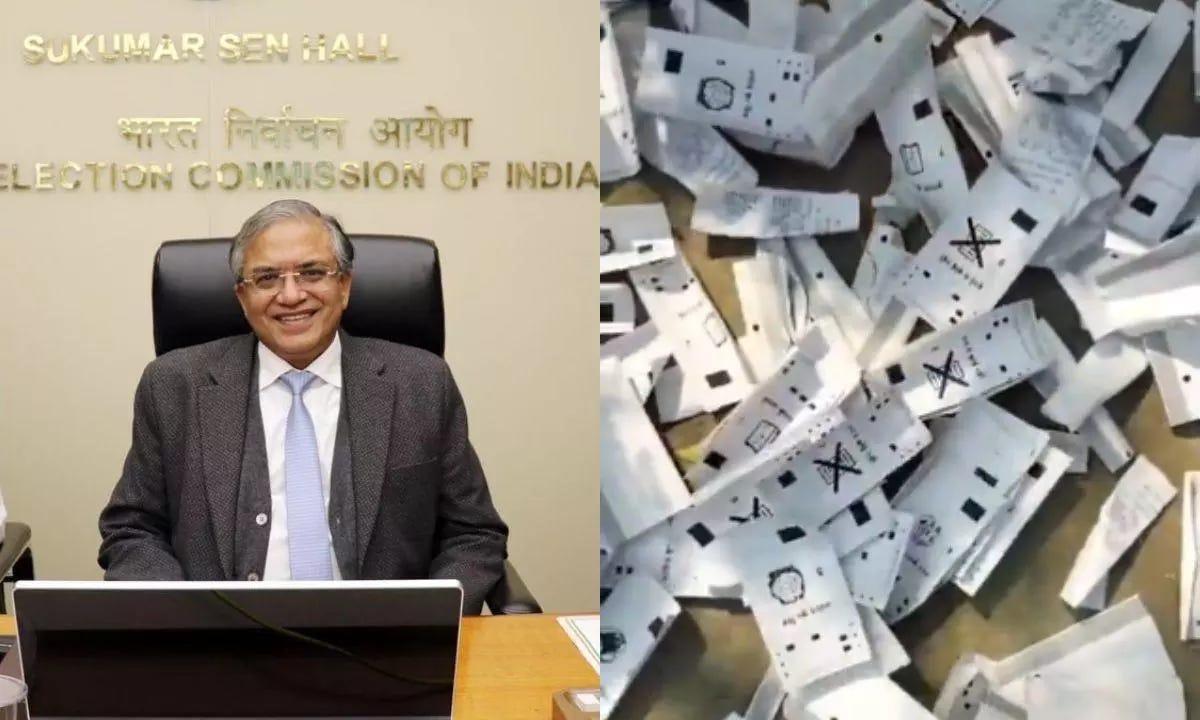
VVPAT slips; found on Samastipur roadside
Election official suspended; negligence cited
EC confirms; slips from “mock poll,” polling integrity “uncompromised”
In today’s episode of “How to Lose an Election,” we have an official literally losing parts of the election.
The Bottom Line: The EC is optimising for process credibility. By immediately suspending the official but clarifying the slips were from a mock poll , it’s trying to separate human error from systemic failure, desperate to prevent this incident from fueling a larger “vote theft” narrative. 🔗
😷 Delhi’s Air Quality Enters ‘Severe’ Red Zone, AQI Crosses 400
Delhi AQI; crosses 400 “Severe” threshold
Wazirpur (420), Burari (418); record highest pollution
Sources; ~30% stubble burning, ~15% vehicular emissions 🔗
🤷 GRAP Stage 3 Measures Delayed Despite ‘Severe’ Air Quality
GRAP Stage 3; not enforced despite “Severe” AQI
Officials justify delay; claim AQI “better than last year”
Measures include; ban on BS-III petrol, BS-IV diesel vehicles
“Yes, the air is trying to kill you,” say officials, “but it was trying to kill you slightly more on this exact day last year, so please stop complaining.” 🔗
💸 Ajit Pawar’s Son’s Controversial Pune Land Deal Cancelled After Row
Pune land deal; involving Dy CM Ajit Pawar’s son, cancelled
Rs 300Cr deal; involved 40-acres of govt “Mahar Watan land”
Rs 21Cr stamp duty; allegedly waived
Ajit Pawar; claims son was “unaware”
Ajit Pawar has gone with the “my son accidentally almost bought a 40-acre, Rs 300-crore plot of government land” defence. A classic.
The Bottom Line: The cancellation is not an admission of guilt; it’s a political damage-control manoeuvre. Ajit Pawar is optimising for political survival, sacrificing the deal to quell the controversy and protect his and the ruling coalition’s reputation. 🔗
2. Policy & The Rupee
🪙 SEBI Cautions Investors Against Unregulated ‘Digital Gold’

SEBI; cautions public against “digital gold”
Products are unregulated; not “securities”
Warning; no investor protection; risk of fraud
SEBI is finally pointing out that the “digital gold” you bought on that fintech app might just be a digital drawing of a biscuit wrapper.
And Then What?: SEBI’s warning is the first shot in a new regulatory war. The second-order effect will be a fintech “compliance crisis,” forcing apps to either partner with regulated entities, withdraw products, or face a full-blown ban. 🔗
🐟 Centre Notifies New Deep-Sea Fishing Rules, Bans Foreign Vessels
Centre notifies; new deep-sea fishing rules
All foreign vessels; banned from India’s EEZ
Local cooperatives; given priority
New “mother-and-child” vessel concept; introduced🔗
🦐 US Tariffs Devastate Indian Shrimp Farmers, Prices Collapse
US tariffs on Indian shrimp; hit ~60%
Farm prices crash; to Rs 230/kg, below Rs 275/kg cost
Farmers face “mounting losses”; hatcheries shutting down
US is 48% of India’s $5bn shrimp market 🔗
🤝 India-US Trade Agreement Expected by November-End
NITI Aayog CEO; says India-US trade deal likely
Finalisation; expected by end of November
Focus; market access, resolving tariff issues🔗
3. Law, State & Society
🐘 Global Wildlife Body Raps India Over Vantara Animal Imports

CITES report; contradicts Supreme Court “clean chit” for Vantara
SC-appointed SIT; had found “no foul play,” “full compliance”
CITES finds; “lack of due diligence,” “forged permits” used for imports
Recommends; India halt new wildlife import permits
Well, this is awkward. The Supreme Court’s SIT gave Vantara a glowing “clean chit” , and now the top global wildlife body CITES has arrived with a report basically saying “Not so fast”. 🔗
🏛️ Parliament Winter Session Set for Dec 1-19; Opposition Cries “Truncated”
Parliament Winter Session; scheduled Dec 1-19
Opposition; slams session as “unusually delayed and truncated”
Only 15 working days; “no debates to be allowed”
The government has announced a new “blink-and-you’ll-miss-it” Winter Session of Parliament, giving the Opposition just 15 days to get all their shouting done. 🔗
4. Diplomacy & Defence
Prime Minister Modi to Visit Bhutan Next Week
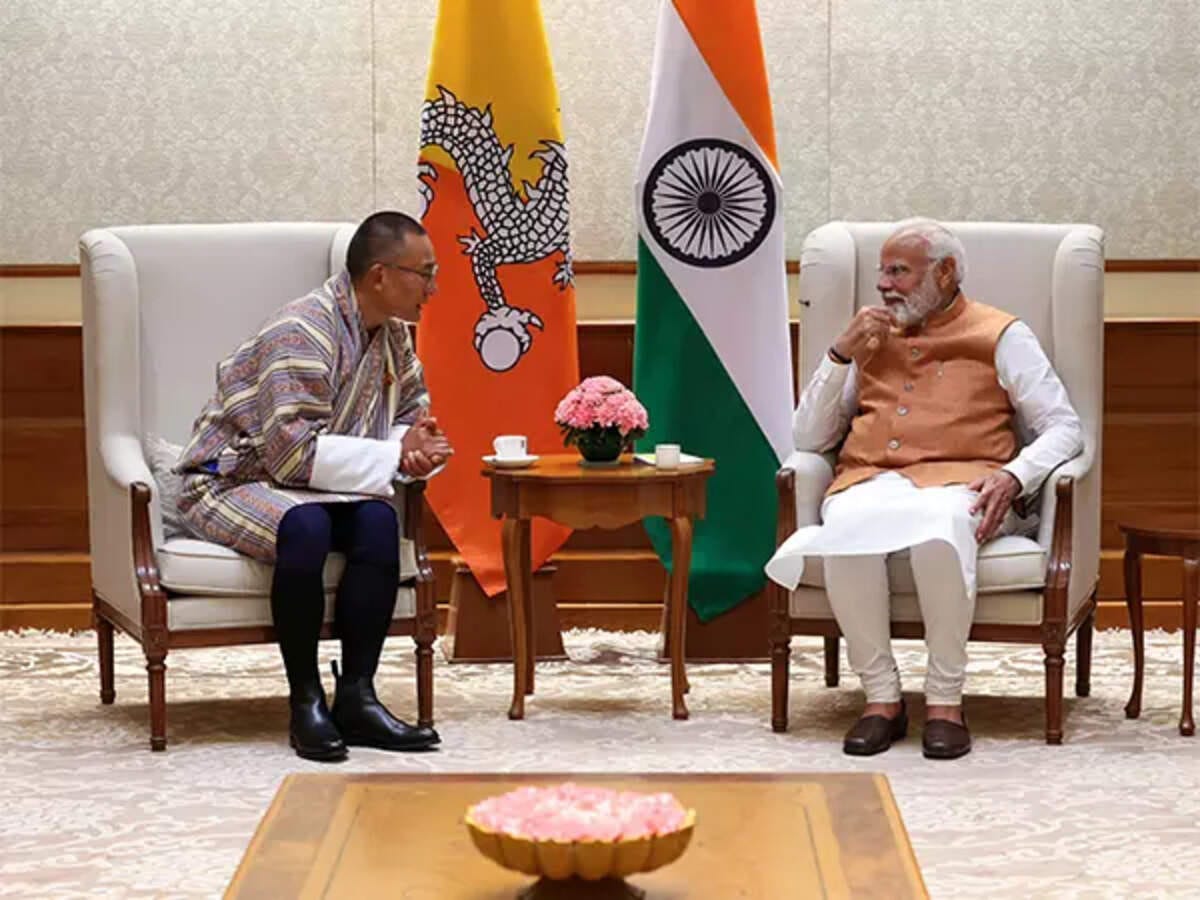
PM Modi; to visit Bhutan next week
Visit; to inaugurate hydropower projects
Will also review ongoing railway schemes
PM Modi is off to Bhutan, continuing India’s “build-a-hydropower-plant-and-railway” diplomacy.
The Chessboard: This visit is a key move in the “Great Game” for influence in the Himalayas. By funding and inaugurating infrastructure , India is reinforcing its strategic “buffer” and countering China’s persistent economic and diplomatic outreach to Bhutan. 🔗
🌍 President Murmu Departs for First-Ever State Visit to Angola & Botswana
President Murmu; departs for state visit
Visiting; Angola and Botswana
Marks; first-ever visit by an Indian Head of State to both nations 🔗
🌱 India Reaffirms “Equitable” Climate Stance at COP30 Summit
India; reaffirms “equitable” climate action stance at COP30
Cites; “national circumstances,” “Common but Differentiated Responsibilities”
India; previously called for developed nations to hit “net-negative” emissions
India’s climate pitch remains unchanged: “We’ll do our part, but you (the West) broke it, you bought it, and you need to go ‘net-negative’ to fix it.”
The Bottom Line: India is optimising for economic growth. The “CBDR-RC” principle is a diplomatic shield to defend its right to develop now, just as the West did for 200 years, while placing the financial and carbon-removal burden on developed nations. 🔗
5. The Uplift
♟️ Raahul VS Becomes India’s 91st Chess Grandmaster

Raahul VS; becomes India’s 91st Chess Grandmaster
Secured final GM norm; at ASEAN Championship
Third new GM; in 2025
India just minted its 91st Chess Grandmaster. We’re producing GMs so fast, we’re going to have to start a waitlist.
Find the Pattern: This isn’t just one new GM; We are seeing the dividends of the 2000s Vishy Anand boom, which created a generation of players who are now creating an even bigger generation, turning India into the new Soviet-style “chess factory.” 🔗
🏅 India Announces Largest-Ever Contingent for Deaflympics 2025
India; announces largest-ever Deaflympics contingent
111 members; (73 athletes, 38 coaches) to compete in Tokyo
Grew from 65 athletes; in 2022 🔗
🚇 Kerala Government Approves Thiruvananthapuram Metro Phase 1
Kerala govt; approves Thiruvananthapuram Metro Phase 1
31-km line; 27 stations
Will connect; Technopark, airport, railway station🔗
6. Meanwhile, Elsewhere...
💡 Russia Launches Massive Attack on Ukraine’s Energy Grid
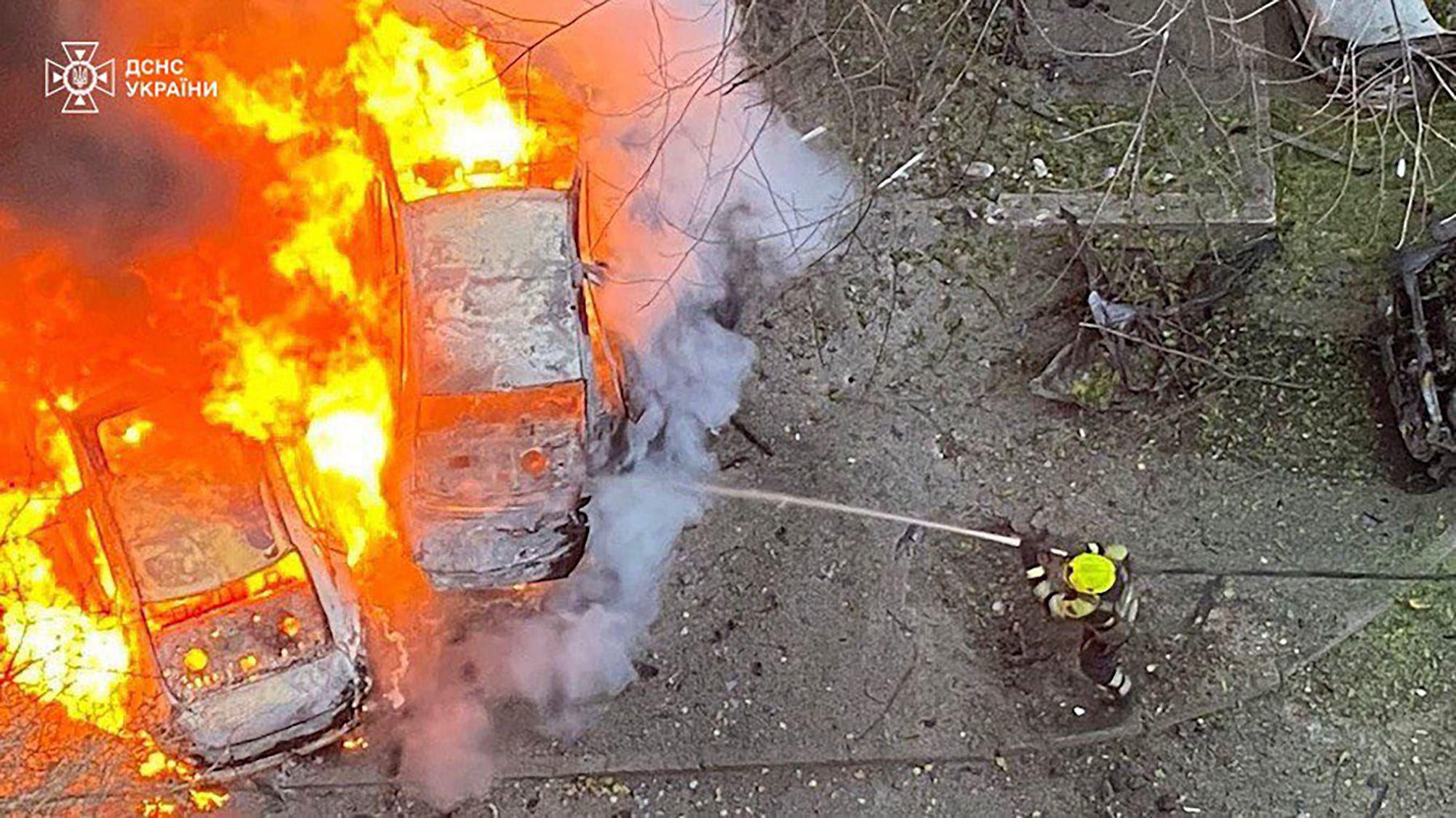
Russia; launches massive attack on Ukraine
Over 450 drones, 45 missiles; target energy grid
Apartment block in Dnipro; hit, 1 dead, 11 injured
Widespread power cuts; in Kyiv, other regions
Russia has begun its annual “weaponise winter” campaign, bombing Ukraine’s power grid to ensure millions are left in the cold and dark.
Find the Pattern: This is a deliberate repeat of Russia’s 2024 winter strategy: systematic, strategic bombing of civilian infrastructure to break national will. It’s a modern version of a “total war” doctrine. 🔗
🤑 Reuters: Meta Knowingly Profits Billions from Scam Ads
Meta; knowingly profits from scam ads, per Reuters report
Internal docs; project ~$16 billion (10% of revenue) from fraud, banned goods
Meta’s system; charges higher rates to “likely scammers”
A new report reveals Meta’s genius business model: find a scammer, charge them a premium for being a scammer, and then show their scam ad to your users 15 billion times a day.
The Bottom Line: Meta’s incentive is to maximise ad revenue, not to eliminate scams. The “scam penalty” proves this: they have built a system that monetises fraud, making more money from a “likely scammer” than a legitimate business. 🔗
Trump Announces US Boycott of G20 Summit in South Africa
Trump announces; US will boycott G20 Summit in South Africa
Cites; debunked claims of “slaughter” of white Afrikaner farmers
South African govt; calls allegations “completely false”🔗
Pro-Business Conservative Rodrigo Paz Sworn In as Bolivia’s President
Rodrigo Paz; sworn in as Bolivia’s president
Pro-business conservative; ends ~20 years of socialist (MAS) rule
Inherits; worst economic crisis in 40 years; high inflation, shortages
Pledges; “capitalism for all,” restore US ties
Bolivia just swore in a pro-business president after 20 years of socialist rule, who now has the enviable task of fixing 40 years of economic crisis. Good luck. 🔗
7. The Deep Dive
The Scam Is the Business Model
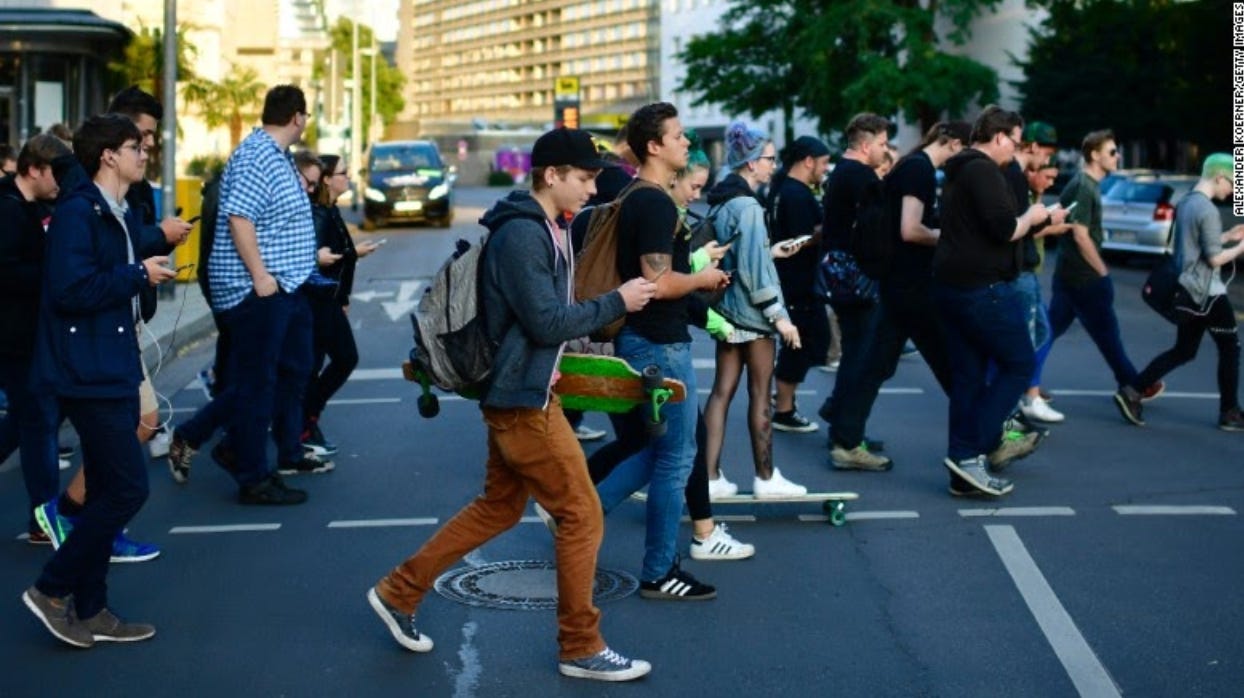
Let’s talk about the Meta-scam-ads story , because it’s not just a ‘failure of moderation.’ It’s the entire business model of social media laid bare.
First, the economics. Meta is a machine built to optimise for one thing: ad revenue. It’s an attention auction. The winner isn’t the ‘best’ ad; it’s the one that pays the most to target a specific user. Internal documents show Meta projects $16 billion (10% of its revenue!) from ads for scams and banned goods. Why? Because scammers are highly motivated buyers. They’ll pay a premium to find the perfect victim.
Here’s the kicker: Meta’s system knows they’re sketchy. But if the algorithm is less than 95% certain it’s fraud, it doesn’t ban them. Instead, it charges them a higher ad rate as a penalty. This isn’t a deterrent; it’s a “scam tax.” Meta is taking a cut of the fraud.
This model preys on the cognitive load of the “attention economy.” The platform is engineered to make you doomscroll, to numb your brain into a state of passive consumption. When you’re tired and your critical thinking is dampened, the algorithm strikes. It knows you’re vulnerable—its own ad tools are “potent instruments for scammers” —and it serves you that too-good-to-be-true ad, because it knows you’re more likely to click.
The system isn’t broken; it’s doing exactly what it was designed to do: find and monetise your vulnerability.
SEBI is warning small investors about ‘digital gold’ while a new report shows Meta is making billions from financial scams. Where should regulatory firepower actually be aimed: at the small-time unregulated seller, or the trillion-dollar platform that enables the fraud?
Reply with your thoughts.
Stay sharp,
Aditya S.
Editor, The India Brief
It is wild to see how often major platforms profit from the confusion and exploitation that scammers create within their ecosystems. When a business model is built on capturing attention at any cost, it can end up enabling fraudsters who know how to exploit those incentives wthout facing consequences. Your note about elections and wildlife bodies being undermined sets a broad context for why we should worry about large tech firms that act as gatekeepers for information. The recap ties these threads together and underscores the need for more rigorous oversight and user education so we are not left cleaning up the mess wih our own resources. Awareness and clear accountability are so important if we want the internet to be a place of trust rather than suspicion.