
☕ India’s Morning Briefing: Tue, Oct 07
133rd Edition | 07 October 2025


It was the kind of day where the veneer of civility cracked, most notably when an advocate decided the best legal argument involved flinging shoe at the Chief Justice of India.
Good morning India
🔑 The 3 Big Stories Today
1. ⚖️ Advocate Attacks Chief Justice of India in Supreme Court
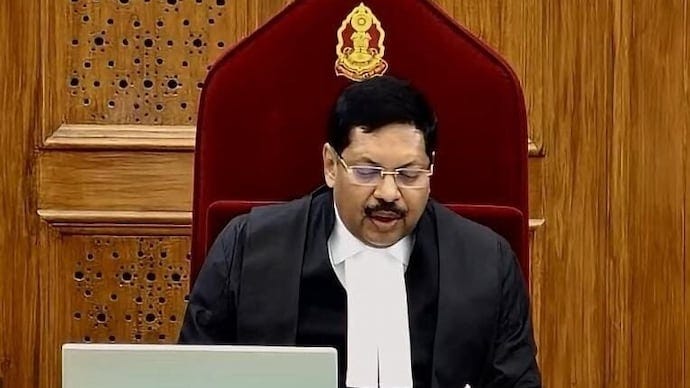
Advocate Rakesh Kishore; threw shoe at CJI B.R. Gavai; during live proceedings.
Motive; anger over CJI’s remarks on Khajuraho temple idol; shouted “insult of Sanatan Dharma”.
CJI unruffled; continued proceedings; advocate’s license suspended by Bar Council of India.
The Deeper Take: Welcome to today’s episode of ‘Courtroom Dramas’. But this isn’t just a courtroom disruption; it’s a modern echo of historical iconoclasm. The attacker, motivated by perceived religious slight, targeted the highest symbol of secular law, framing the judiciary itself as an obstacle to religious righteousness. 🔗
2. 🔥 Curfew and Internet Ban in Cuttack After Communal Violence
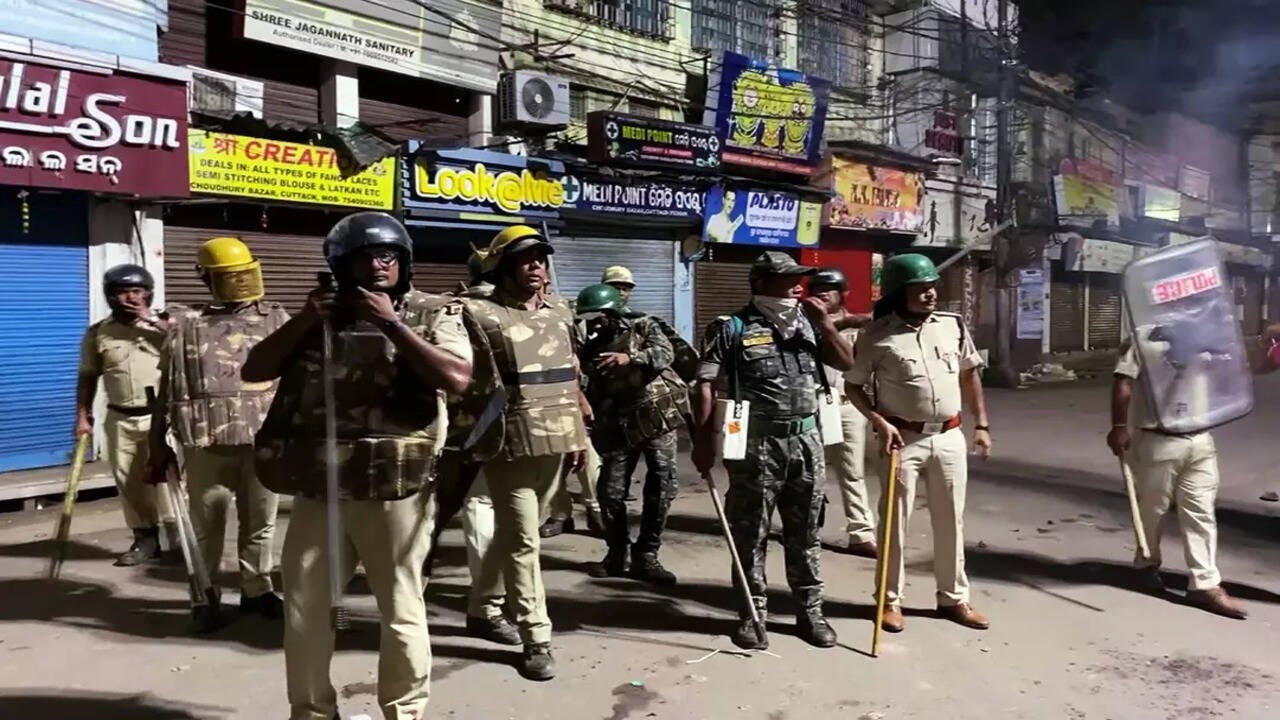
36-hour curfew imposed; in 13 police station areas of Cuttack, Odisha.
Follows clashes; during Durga Puja procession and subsequent VHP rally.
25 police personnel injured; 8 arrested; internet services suspended for 24 hours.
The Signal: The state’s response—curfews and internet shutdowns—treats the symptom, not the disease. This reactive pattern risks normalising mob action as a primary form of political expression, steadily eroding the state’s monopoly on legitimate force in public spaces. 🔗
3. 📈 Supreme Court Declines to Intervene on Telangana OBC Quota
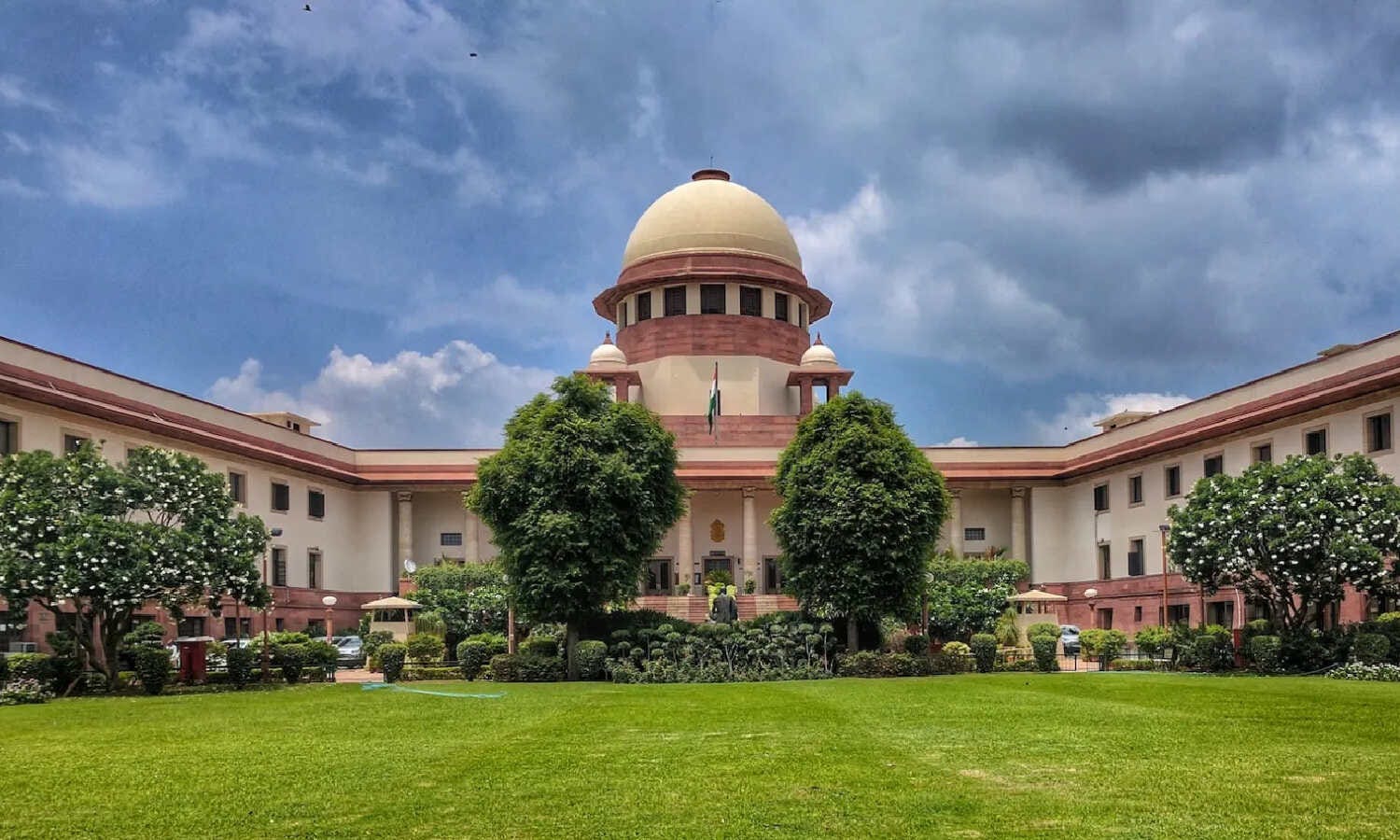
SC refuses to stay; Telangana govt order on OBC quota
Quota enhanced to 42%; in local body elections
Total reservation now 67%; breaching the 50% cap
Petitioner given liberty; to approach the High Court
The Signal: By deferring to the High Court, the Supreme Court signals a potential strategic retreat from enforcing the 50% reservation cap. This move will embolden other states to push for similar quota breaches, setting the stage for a nationwide legal and political battle over reservation policy. 🔗
⚡️Quick Hits
Politics & Governance
The Bottom Line: From “purifying” voter rolls to detaining activists and drawing trade “red lines,” the state is optimising for control. Each move prioritises projecting strength and asserting policy independence, both domestically and on the world stage.
Global Stage
The Chessboard: Western political paralysis creates a vacuum, empowering regional actors. From Egypt mediating in Gaza to India acting as a ‘first responder’ in Nepal, a new, multipolar diplomacy is shaping outcomes on the global stage.
Economy & Business
India’s services sector growth eased in September, with the PMI falling to 60.9 from a 15-year high. 🔗
The Competition Commission of India warns of AI “gatekeepers” and algorithmic collusion, calling for self-regulation. 🔗
AMD signs multi-year deal; to supply AI chips to OpenAI; AMD shares surge; over 34% 🔗
And Then What?: As India’s competition watchdog warns of AI monopolies, a landmark deal tries to create a new one. This accelerates the global race for AI dominance, forcing regulators worldwide to play catch-up with technology that is already reshaping markets.
Uplifting News
Nobel Prize in Medicine awarded to Brunkow, Ramsdell, and Sakaguchi; for discoveries on “peripheral immune tolerance”. 🔗
India’s para-athletes secure a record 22 medals at the World Championships. 🔗
A Class 12 student, Sharanya Mehta, developed a smart irrigation app helping farmers save water. 🔗
Amritsar’s first woman Deputy Commissioner led the rescue of over 900 flood victims. 🔗
The Deeper Take: These stories of scientific discovery, sporting excellence, and individual ingenuity serve as a powerful counter-narrative. They echo a historical pattern: human progress often flourishes at the grassroots, independent of the state’s machinations.
The Deep Dive
🤖 India Asks AI to Regulate Itself. What Could Go Wrong?
The Competition Commission of India (CCI) has just released its market study on Artificial Intelligence, and its primary recommendation is a fascinating exercise in regulatory trust-falling. Instead of hard rules, the CCI has suggested that enterprises conduct “self-audits” of their AI systems to ensure they aren’t colluding, discriminating, or otherwise breaking competition law. It’s the regulatory equivalent of asking the fox to please check if the henhouse security is up to scratch.
Let’s apply the Incentive Analysis Lens to understand the real game here. The CCI is optimising for regulatory agility. It knows it lacks the deep technical expertise to audit complex, proprietary algorithms in real-time. Crafting rigid laws now could stifle a nascent, trillion-dollar industry before it even gets going. So, its incentive is to appear proactive and set a baseline for corporate responsibility without killing the golden goose. The ‘currency’ is avoiding the label of being a restrictive, anti-innovation regulator.
Meanwhile, the tech giants’ incentive is crystal clear: avoid binding, state-mandated regulation at all costs. Self-regulation is a godsend. It allows them to control the narrative, define what constitutes “fairness” and “compliance,” and keep their valuable algorithms out of the hands of government auditors. By agreeing to “self-audit,” they trade a little transparency for a lot of autonomy. This delicate dance is a pragmatic, low-cost first step, but it places an enormous amount of faith in the corporate conscience—a commodity often in shorter supply than silicon chips.
Question for you
The CCI is asking AI firms to regulate themselves. Is this a pragmatic first step to encourage innovation, or is it simply letting the fox guard the henhouse
Comment below with your thoughts.
Stay sharp,
Aditya S.
Editor, The India Brief
P.S. Bonus for you. A very old video that we all loved as kids