
Lamp Can Be Lighted on Thirupparankundram Hill, But Govt Might Appeal
☕ India’s Morning Briefing: Wed, January 07


Hello, and welcome to the brief.
Good morning, family.
The world seems to have woken up on the wrong side of the timeline yesterday
Welcome to the 204th edition of The India Brief
Category: Politics & Governance
📱 Mamata Banerjee Accuses Election Commission of Using BJP-Linked Apps
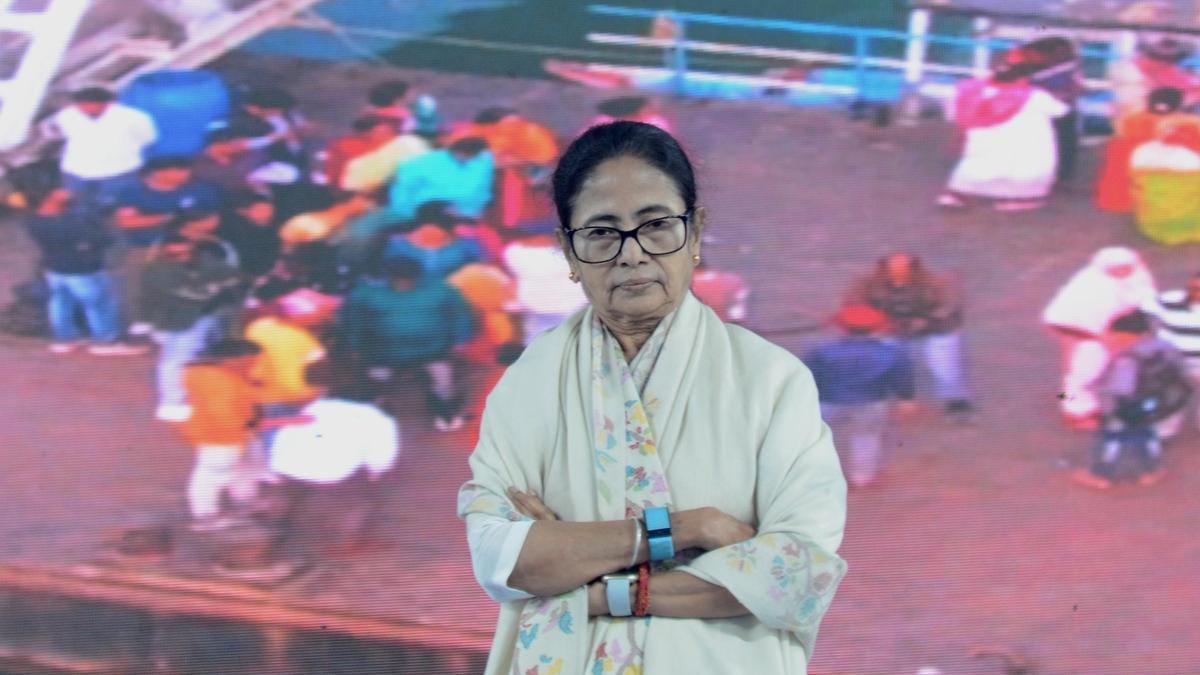
🗣️ The Claim: Bengal CM alleges ECI uses BJP-IT cell apps for voter revision.
⚖️ The Move: Threatens legal action against the alleged “harassment.”
🗳️ The Context: Special Intensive Revision (SIR) currently ongoing in West Bengal.
🔥 The Friction: Escalates federal vs. state tension over election data integrity.
The Take: When political battles move from the ballot box to the backend code of a mobile app, you know we’ve entered the cyberpunk era of Indian democracy. Alleging that the referee is using the opponent’s whistle is a serious charge that questions the digital sovereignty of the electoral process.
📉 Mass Deletion: ECI Scrubs 2.8 Crore Names from UP Voter Rolls
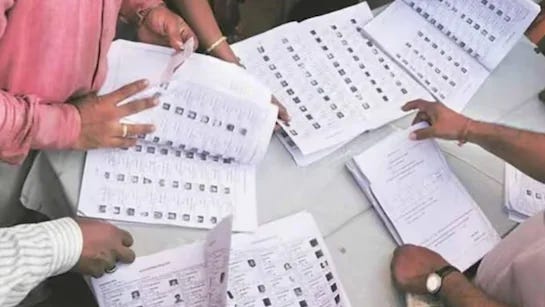
✂️ The Cut: ECI releases draft roll; a staggering 2.8 crore voters removed.
📋 The Reason: Deaths, migration, and duplicate entries cited as primary causes.
📍 The Impact: Lucknow sees highest deletions; 12.55 crore voters retained.
🔍 The Fear: Opposition alleges targeted disenfranchisement ahead of 2027 polls.
The Take: Removing 2.8 crore names, roughly the population of Australia, is either a triumph of administrative hygiene or a bureaucratic purge of epic proportions. While the ECI calls it routine “cleanup,” in a state where elections are won on razor-thin margins, a deleted voter is louder than a voting one.
Category: Courts & Law
💧 MP High Court Summons Chief Secretary Over Indore Water Deaths
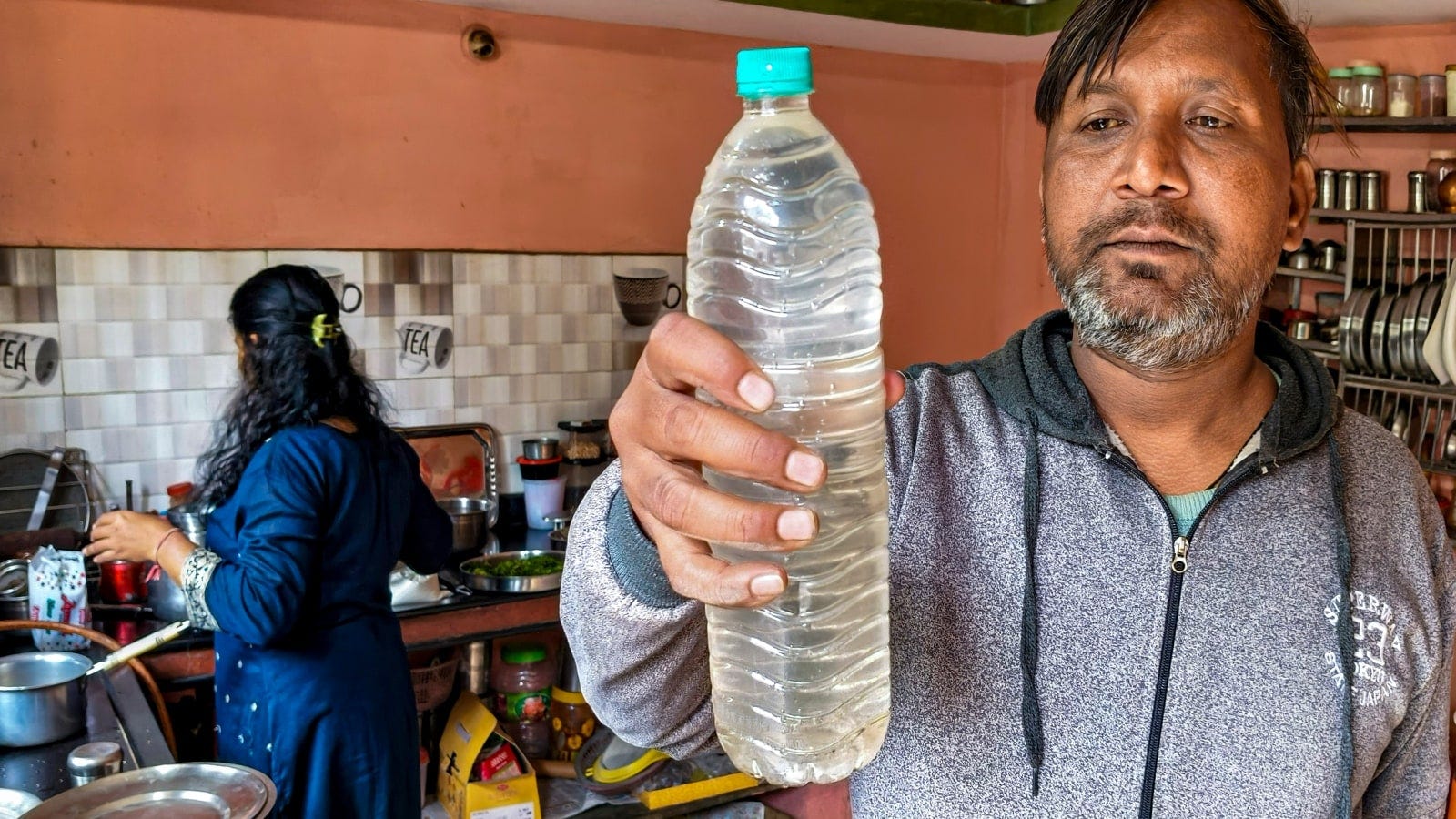
📹 The Summon: Chief Secretary ordered to appear via video conference.
⚰️ The Cause: Contaminated water led to deaths in Bhagirathpura.
🗣️ The Remark: Court terms state response “insensitive.”
⚖️ The Move: Suo motu cognizance taken of civic failure.
The Take: It’s a tragic reminder that in 2026, “Smart Cities” can still fail at Basic Civilisation 101: clean water.
🛕 Tamil Nadu Challenges High Court Order on Temple-Dargah Lamp Ritual
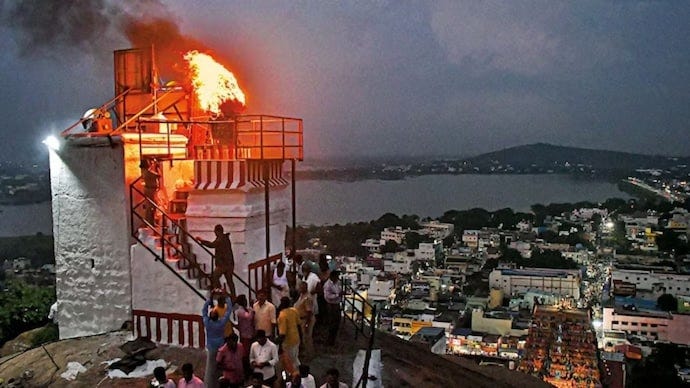
📝 The Appeal: TN Govt to challenge order on Thirupparankundram temple.
🕯️ The Order: HC directed lighting lamp near a Dargah on the hill.
🤝 The Stance: State seeks to maintain communal status quo.
⚖️ The Bench: Madurai Bench had upheld the original directive.
The Take: The State’s appeal isn’t about denying devotion, but preventing a spark, literally and metaphorically. It’s administrative caution trying to put a lid on a potential religious tinderbox.
Category: Economy & Tech
🔋 Grid Boost: Battery Storage Capacity Set for Tenfold Jump in 2026
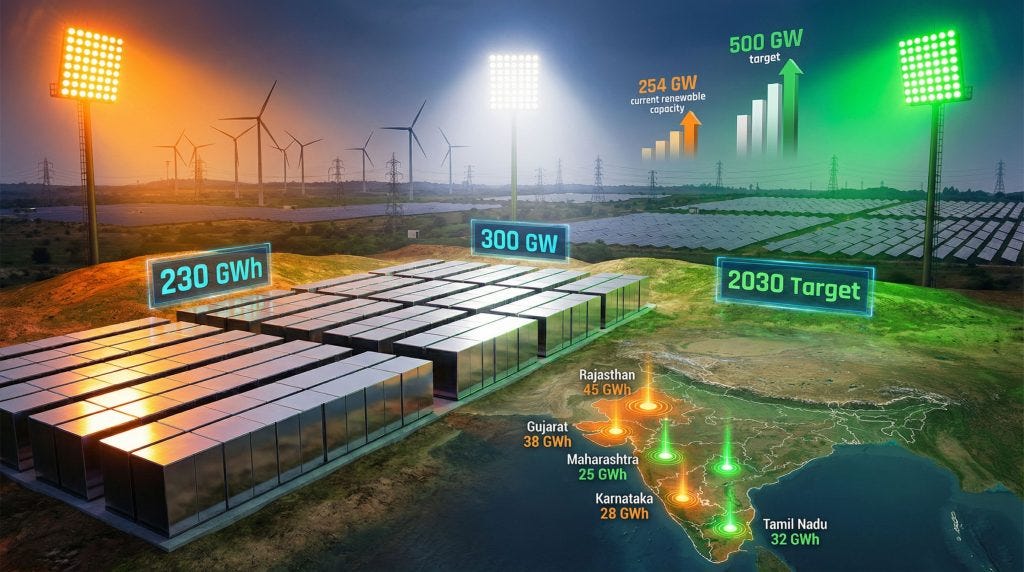
⚡ The Boom: Battery storage capacity to hit 5 GWh this year.
☀️ The Driver: Solar/Wind intermittency requires grid stabilization.
📈 The Scale: Tenfold increase projected for 2026.
🏗️ The Policy: Major projects and PLI driving the surge.
The Take: Renewables are great until the sun sets. This massive battery push is the “inverter” for the entire nation. It signals that India is finally moving from just generating green energy to actually managing it, a crucial step for energy independence.
📉 Services Growth Cools to 11-Month Low as Hiring Stalls
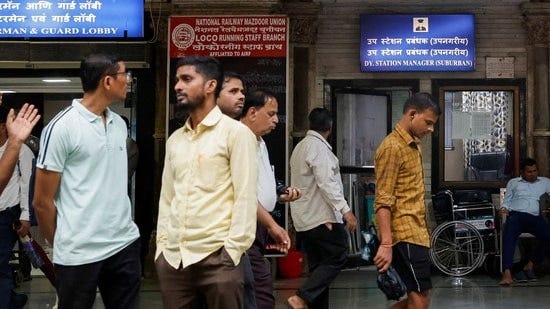
📊 The Data: Services PMI drops to 58.0 in Dec (11-month low).
🚫 The Jobs: Companies refrain from hiring despite output growth.
🛑 The Trend: New orders easing after festival spike.
📉 The Signal: Expansion continues, but momentum is fading.
The Take: The party isn’t over, but the music has definitely turned down. “Jobless growth” in the services sector is a red flag for urban consumption. If the engines of Bangalore and Gurgaon slow down, the ripple effects will hit everything from real estate to Zomato orders.
✈️ DGCA Bans Mid-Air Use of Power Banks Following Fire Scares
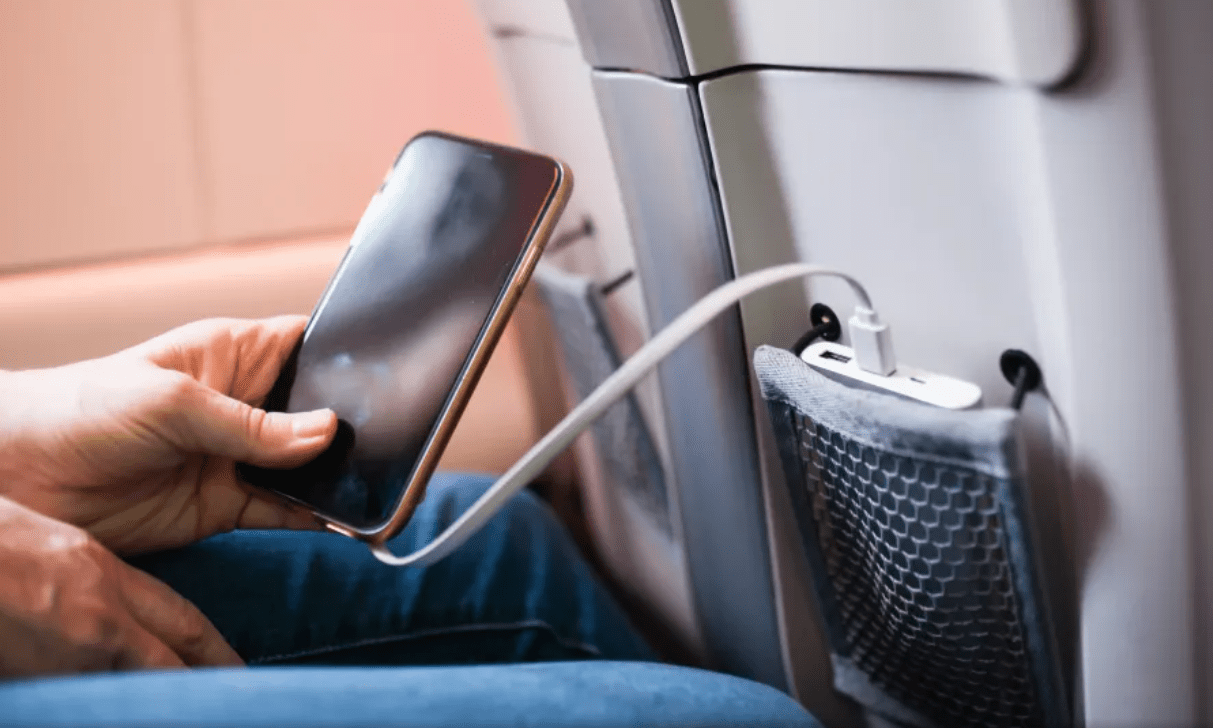
🚫 The Rule: DGCA bans using power banks mid-air.
🎒 The Stow: Must be in hand baggage, not overhead bins.
🔥 The Fear: Lithium-ion thermal runway incidents.
🔇 The Strict: No charging from seat power either.
The Take: Your in-flight movie marathon just got harder. It’s a classic case of “safety first, convenience last.” With batteries turning into mini-bombs occasionally, the DGCA is basically saying, “We’d rather you be bored than on fire.”
Category: Society & Environment
⛰️ Citizen Audit Finds 31% of Aravalli Range at Ecological Risk
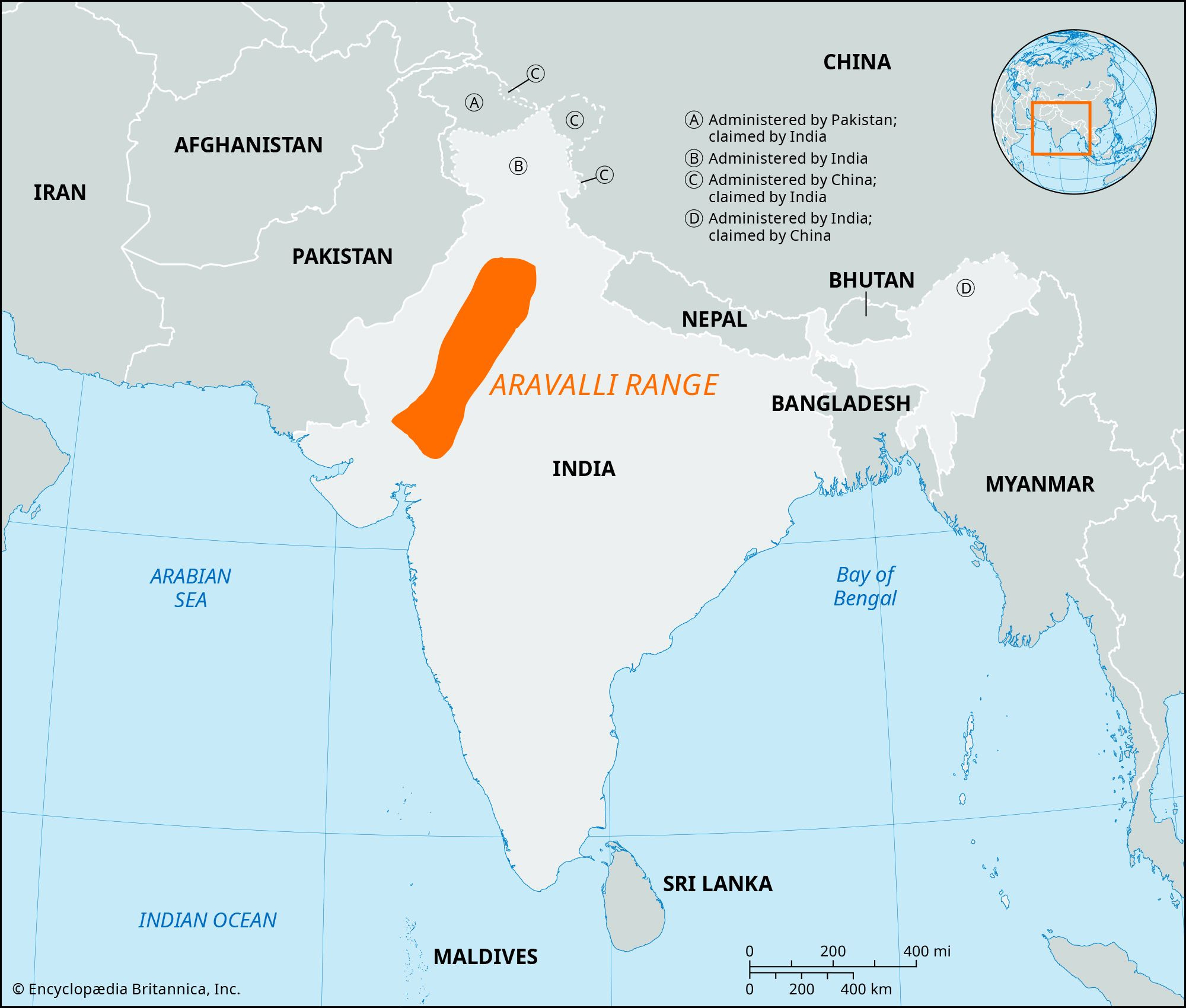
🔍 The Audit: Citizen group “We Are Aravalli” refutes govt claims.
📊 The Data: 31.8% of range at risk vs Govt’s 0.19%.
📏 The Flaw: Govt had defined “hills” only above 100m height; SC stopped the order.
⛏️ The Demand: Ban mining; recognize ecological continuity.
The Take: Defining a hill by its height to allow mining is like defining a forest by tree count to allow logging. The government is playing semantic gymnastics with geography, while the citizens are using satellites to prove that a mountain is still a mountain, even if you flatten it.
🏏 Shreyas Iyer Smashes 82 to Lead Mumbai, Gill Fails for Punjab
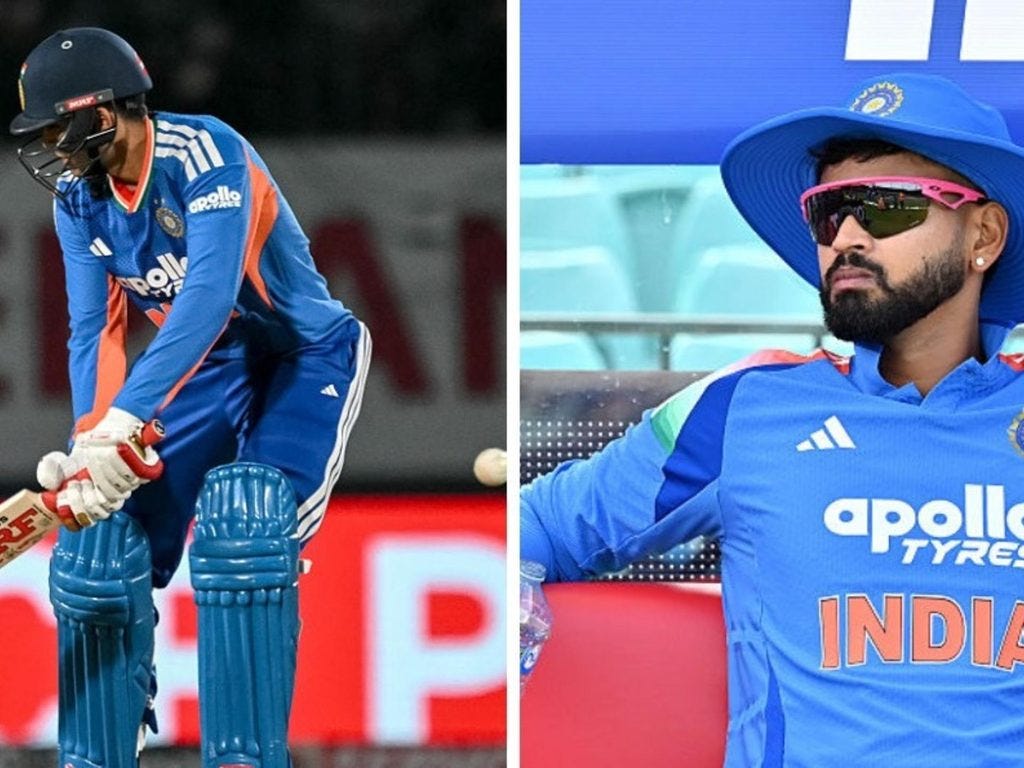
⭐ The Star: Shreyas Iyer hits 82 off 53 in Vijay Hazare.
🏆 The Win: Led Mumbai to victory over Himachal Pradesh.
📉 The Fail: Shubman Gill scores only 11 for Punjab.
👀 The Context: Auditioning for national team spots.
The Take: In the ruthless world of Indian cricket, you are only as good as your last innings. Iyer is screaming for attention with his bat, while Gill seems to be suffering from “second-season syndrome.” It’s a reminder that domestic grit is the only path back to international glory.
World Watch: Top Global
🇨🇳 China Bans ‘Dual-Use’ Exports to Japan in Supply Chain Escalation
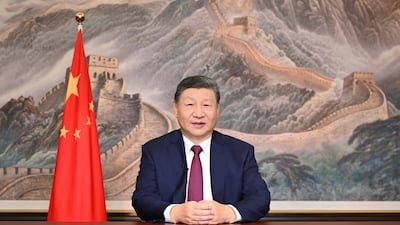
🚫 The Ban: Beijing stops “dual-use” exports to Japan.
🛡️ The Reason: Move follows Japan PM’s Taiwan remarks
The Take: The supply chain is now a kill chain. China is proving that it doesn’t need to fire missiles to hurt Japan; it just needs to stop shipping rare earths. This is economic warfare disguised as export control, and it’s going to make your electronics more expensive.
🇱🇧 Israel Strikes Deep into Lebanon, Hitting Sidon Infrastructure
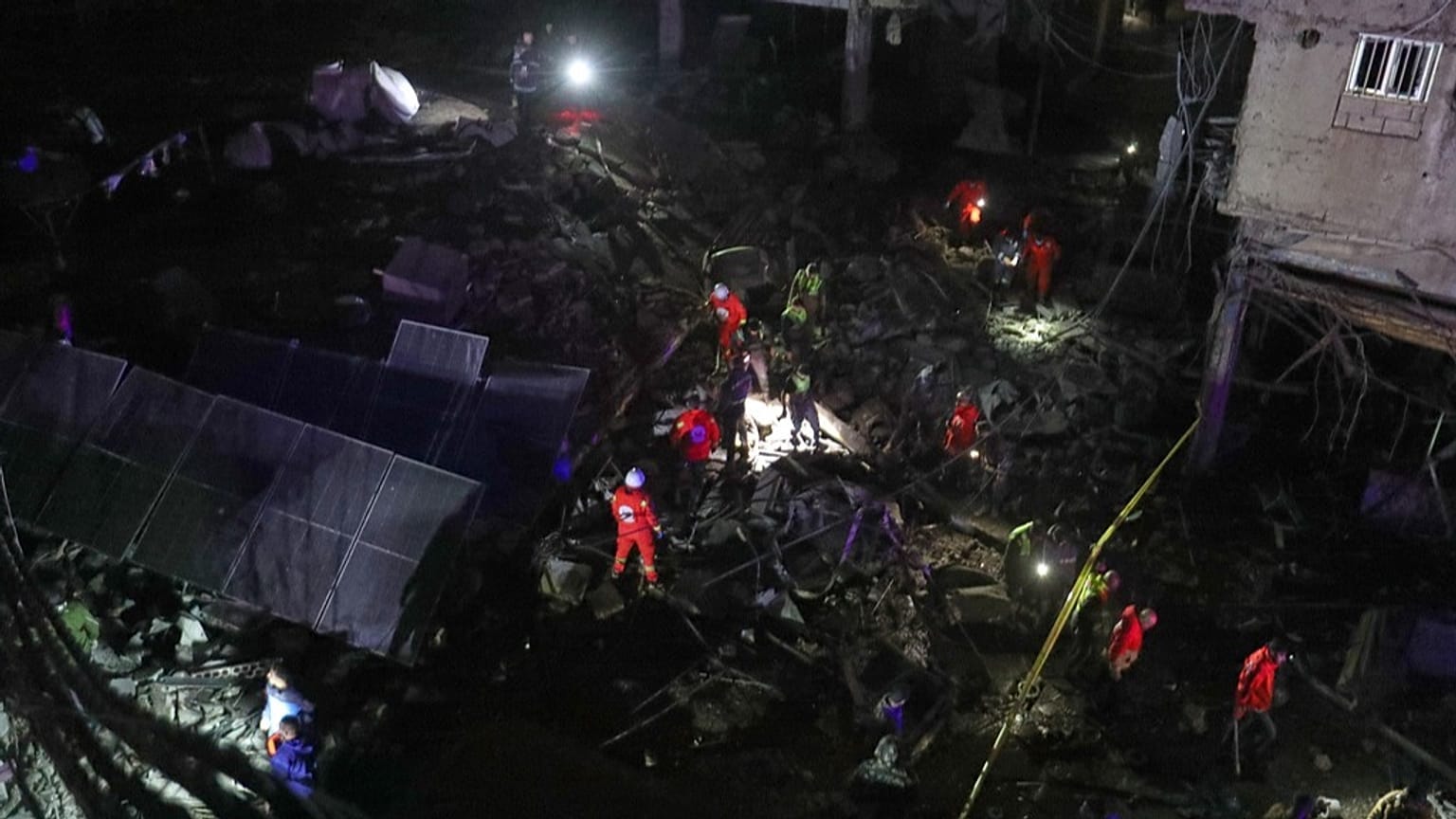
💥 The Strike: Israel hits Sidon (3rd largest city).
🎯 The Target: Alleged Hezbollah/Hamas infrastructure.
🗣️ The React: Lebanese President condemns escalation.
📍 The Shift: Moving conflict north of the border zone.
The Take: Sidon is far from the border; Israel is signalling that there is no safe haven in Lebanon. It’s a dangerous widening of the aperture that risks dragging the fragile Lebanese state into total collapse.
🇮🇷 Iran Triples Subsidies in Desperate Bid to Curb Unrest
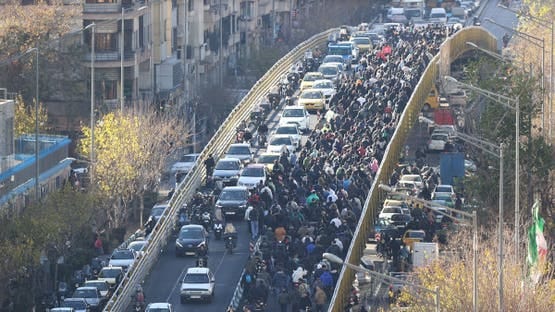
💸 The Move: Govt triples subsidies for essential goods.
🔥 The Cause: Protests over inflation and currency crash.
📉 The Risk: Hyperinflation likely to accelerate.
👮 The State: Regime trying to buy social peace.
The Take: Printing money to stop protests is like pouring gasoline on a fire to put it out. It might work for five minutes, but the explosion afterwards is going to be spectacular. The Iranian regime is running out of options and running out of time.
The Good Stuff
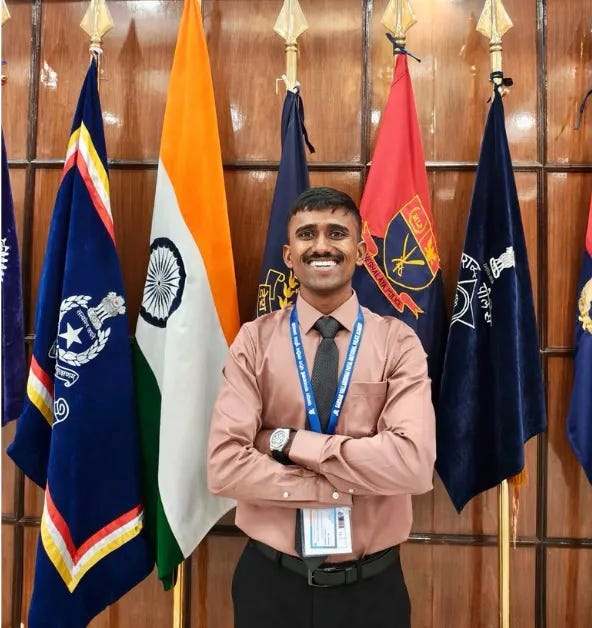
👮♂️ Birdev’s Journey: A shepherd’s son studied during grazing breaks to clear UPSC and join the IPS.
Deep Dive: The Hill, The Saint, and The Litigious Lamp
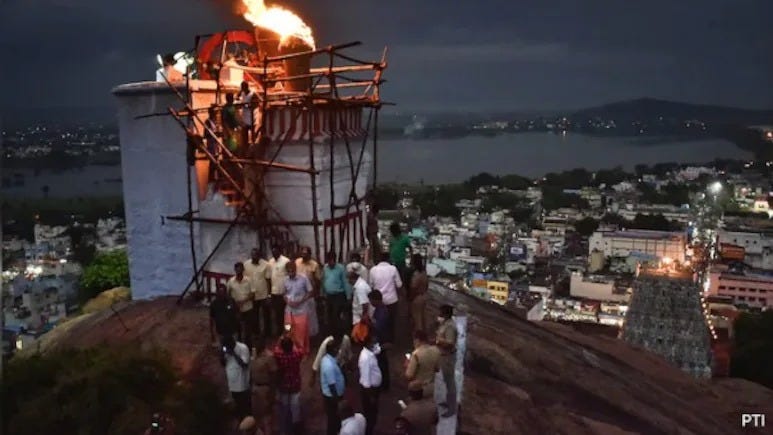
A single hill, two faiths, one lamp, and a government caught in the middle: why the Thirupparankundram verdict matters.
Thirupparankundram Hill, near Madurai, is home to two distinct religious sites. At its foothill is the Arulmigu Subramania Swamy Temple, one of the six Arupadai Veedu (abodes) of Lord Murugan. On the hilltop is the dargah of Sikandar Badusha, associated with a 13th-century Sufi figure. Both sites have existed for centuries, and their physical proximity has long required administrative regulation rather than theological resolution.
The present dispute concerns the lighting of the Karthigai Deepam, a ceremonial lamp traditionally associated with Murugan temples. The temple administration sought permission to light the Deepam on a stone pillar known as the “Deepathoon”, located on the hill. The State government objected, citing concerns over law and order, given the proximity of the Deepathoon to the dargah and the potential for crowd-related tensions.
It is undisputed that the practice of lighting the Deepam at the Deepathoon had not been carried out for several decades. The State relied on this interruption, along with apprehensions of communal disturbance, to deny permission. The temple, however, asserted that the Deepathoon lies within temple property and that there is no legal or religious prohibition on lighting the lamp there.
In 2025, a single judge of the Madras High Court (Madurai Bench) ruled in favour of the temple, holding that speculative law-and-order concerns cannot, by themselves, justify the denial of a religious practice when no concrete evidence of imminent threat is produced. The judge directed the State to permit the lighting of the Deepam, subject to reasonable restrictions and security arrangements.
The Tamil Nadu government and other appellants challenged this order. On 6 January 2026, a Division Bench comprising Justices G. Jayachandran and K.K. Ramakrishnan dismissed the appeals and upheld the single judge’s decision.
The Division Bench made three key legal findings:
First, the Court held that the Deepathoon is part of the temple’s property, and no competing proprietary right over the pillar was established by the appellants.
Second, the Court rejected the State’s reliance on generalized law-and-order concerns, observing that administrative authorities cannot deny lawful religious practices based on anticipatory or hypothetical disturbances. The Bench emphasised that maintaining public order is the responsibility of the State and cannot be used as a reason to prohibit a practice absent concrete material.
Third, the Court noted that Agama Shastras do not prohibit lighting the Deepam at the Deepathoon, and that the State had failed to demonstrate any statutory or constitutional bar to the ritual.
Importantly, the Court did not grant unrestricted access to devotees. It directed that the Deepam be lit only by authorised temple personnel, under police protection and administrative supervision, thereby balancing religious rights with public order obligations.
The judgment does not adjudicate ownership or control over the entire hill, nor does it alter the legal status of the dargah. Its scope is limited to the specific act of lighting the Karthigai Deepam at the Deepathoon and the State’s obligation to facilitate lawful religious practice while ensuring security.
The Tamil Nadu government has indicated its intention to appeal to the Supreme Court.
Legally, the ruling reinforces a settled principle: public order is to be managed, not presumed. Executive authorities may regulate the manner of religious practice, but they cannot prohibit it solely on speculative fears. In disputes involving shared or proximate religious spaces, courts will require evidence, not apprehension, before permitting the State to curtail religious expression.
At Thirupparankundram, the High Court has clarified that administrative caution cannot override established legal rights—and that the burden of maintaining peace lies with the State, not with those lawfully exercising their faith.
Sign-Off
Question of the Day: If a tenant stays for 50 years, they are still a tenant. But if a superpower takes over a country’s oil fields, are they just “interim managers”?
Stay sharp. Aditya S.