
☕ India’s Morning Briefing: Mon, Oct 06
132nd Edition | 06 October 2025


Today, a man famous for ice stupas remains jailed under an anti-terror law, a national tragedy unfolds in the hills of Darjeeling, and Bihar is gearing up for elections. It’s a heavy one.
Good morning India
🔑 The 3 Big Stories Today
1. ⛈️ Heavy Rains Trigger Deadly Landslides in Darjeeling
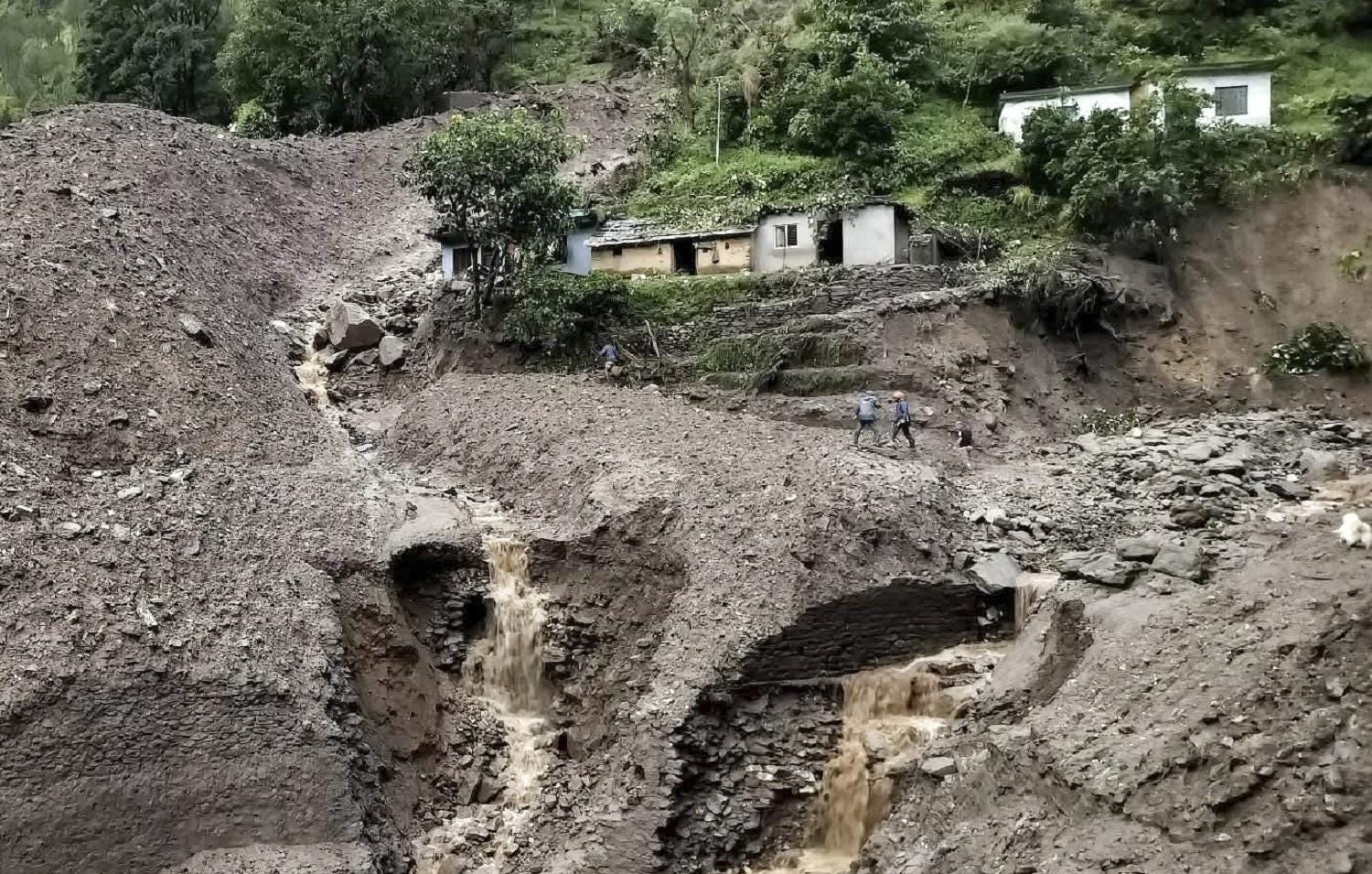
Massive landslides; Darjeeling & Kalimpong districts.
At least 18 dead; dozens missing.
CM to visit; faces criticism for attending carnival.
Another year, another monsoon, another “unforeseen” tragedy. It seems the only thing more predictable than the rains is the political mudslinging that follows. It’s about crafting a narrative of incompetence that will shape regional elections and infrastructure funding for years to come. Shocking, I know. 🔗
2. 🗳️ Election Commission Unveils 17 Reforms for Bihar Polls
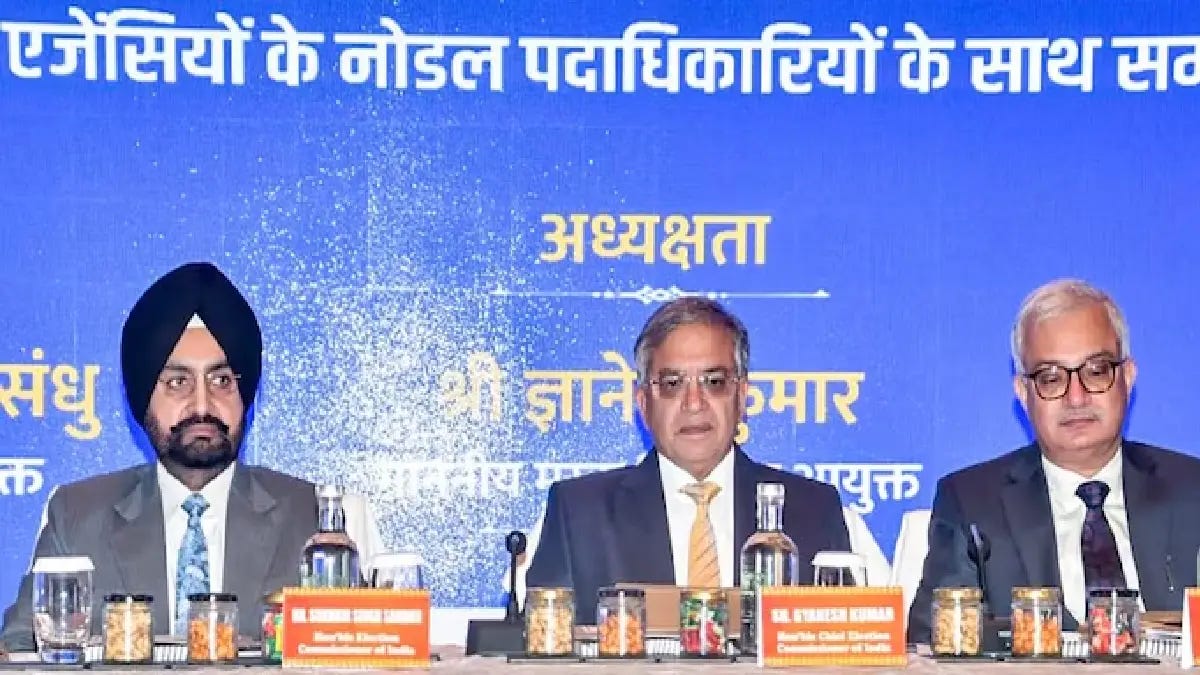
1,200 voter cap per booth; 100% webcasting.
Colour photos on EVMs; new digital platform “ECINET”.
Reforms to be a national model.
The Election Commission is dragging Indian polls into the 21st century, one colour photograph at a time. But this tech overhaul, while boosting transparency, will create a new digital divide. The reaction to this—parties weaponising tech illiteracy or voters demanding better privacy—will define the next era of Indian electioneering. 🔗
3. 🗳️ BJP Seeks Burqa Verification in Bihar Polls
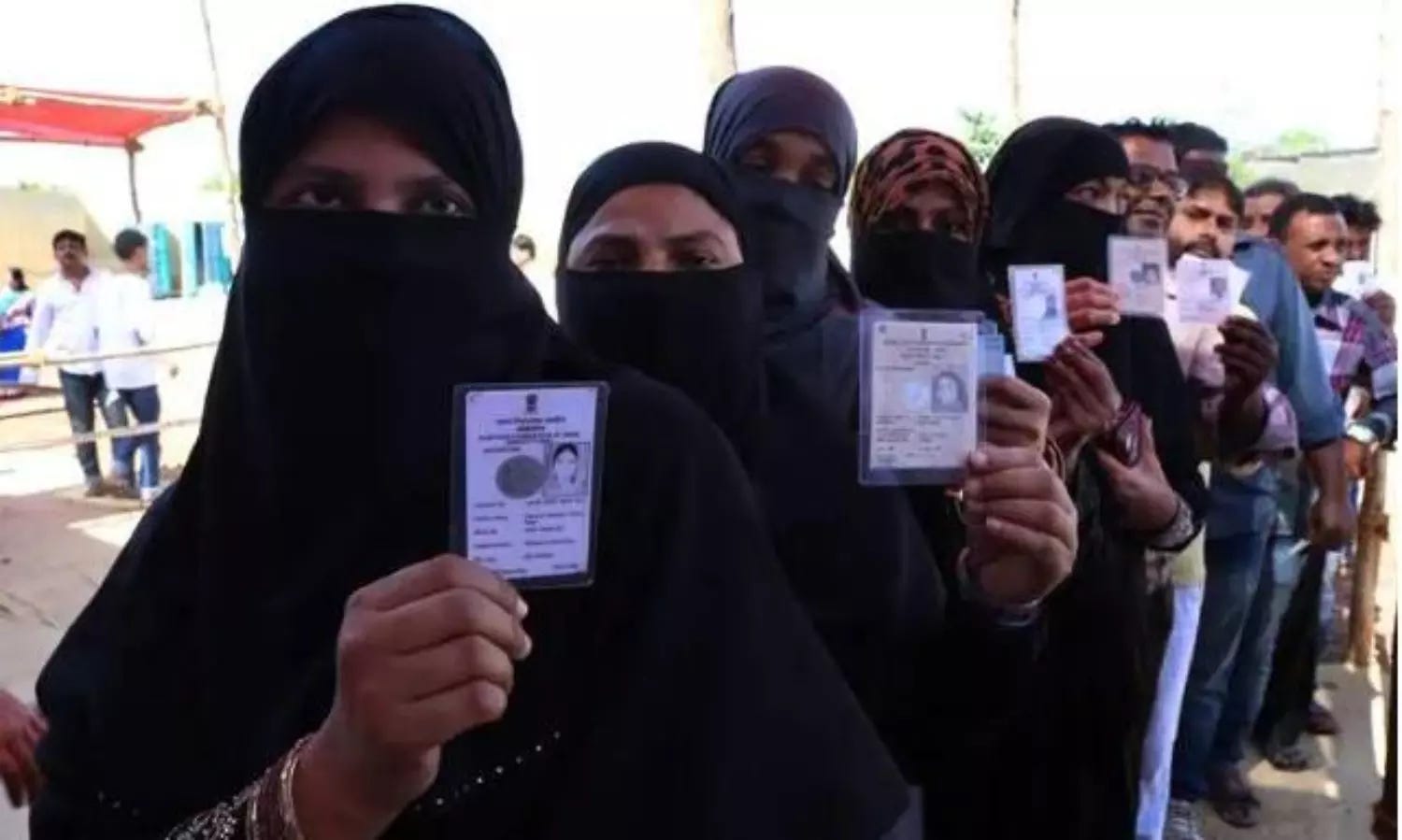
BJP urged Election Commission to verify women in burqas.
Wants voter ID photos checked against faces at polling stations.
Also requested polls be held in one or two phases.
It’s a move that will be framed as either a common-sense security measure or a targeted act of voter intimidation, depending on who you ask. This demand energises the BJP’s base while potentially alienating Muslim voters. Additionally, if passed, some communities will deny participating in the elections, resulting in MLAs chosen by few and from similar communities. 🔗
⚡️Quick Hits
Politics & Governance
The Bihar poll reforms aim for transparency, but the accompanying political rhetoric reveals the real currency: votes. Every move, from personal attacks to identity-based demands, is a calculated play to polarise and consolidate vote banks before the election.
National Security & Foreign Affairs
These moves are part of a larger meta-narrative. India is actively diversifying its partnerships (UK, EU) and reinforcing its regional dominance (Nepal) to build a multi-aligned foreign policy, navigating a world no longer defined by a single superpower.
Society & Incidents
Finance Minister reveals ₹1.84 lakh crore in assets lie unclaimed in banks and insurance. 🔗
An emergency turbine deployed on an Air India flight to Birmingham; the aircraft landed safely. 🔗
After clashes in Bareilly over posters last week; officials have led the demolition of a banquet hall owned by an accused. 🔗
These incidents signal a coming crisis of public trust. The reaction to these tragedies and systemic failures will be a louder demand for accountability, forcing a reckoning on everything from infrastructure planning to financial system transparency.
Deep Dive
The Price of Stability in Ladakh

The detention of Sonam Wangchuk under the National Security Act (NSA) is more than just the arrest of a high-profile activist; it’s a masterclass in incentive analysis, where the currency isn’t money, but absolute stability in a region sitting on a geopolitical fault line.
Let’s be clear: using an anti-terror law against an internationally recognised environmentalist is a terrible look. It generates precisely the kind of negative headlines the government would rather avoid. So why do it? Because from the Centre’s perspective, the incentive isn’t to win a PR battle; it’s to enforce a zero-tolerance policy for unrest in Ladakh.
Ladakh is not just another Union Territory; it’s a critical border region where any internal instability could be perceived as weakness by China. The government is optimising for control. The message sent by invoking the NSA is brutally simple: no protest, no matter how high-profile its leader, will be allowed to challenge the state’s authority here. The potential damage to India’s international reputation is calculated as a secondary, acceptable cost. It’s a cold, strategic trade-off where the perceived need for unwavering territorial security in a contested zone overrides concerns about democratic norms and individual freedoms.
Stay sharp,
Aditya S.
Editor, The India Brief
P.S. While writing this, I was listening to this today.