
☕ India’s Morning Briefing: Sun, Oct 05
131st Edition | 05 October 2025


Good morning India.
Today, an institution famed for its secrecy finally blinked, offering a sliver of transparency to millions of anxious aspirants. Here in India for you in 5 minutes.
🔑 The 3 Big Stories Today
1. 🏹 Amit Shah Gives Maoists a Final Surrender Deadline
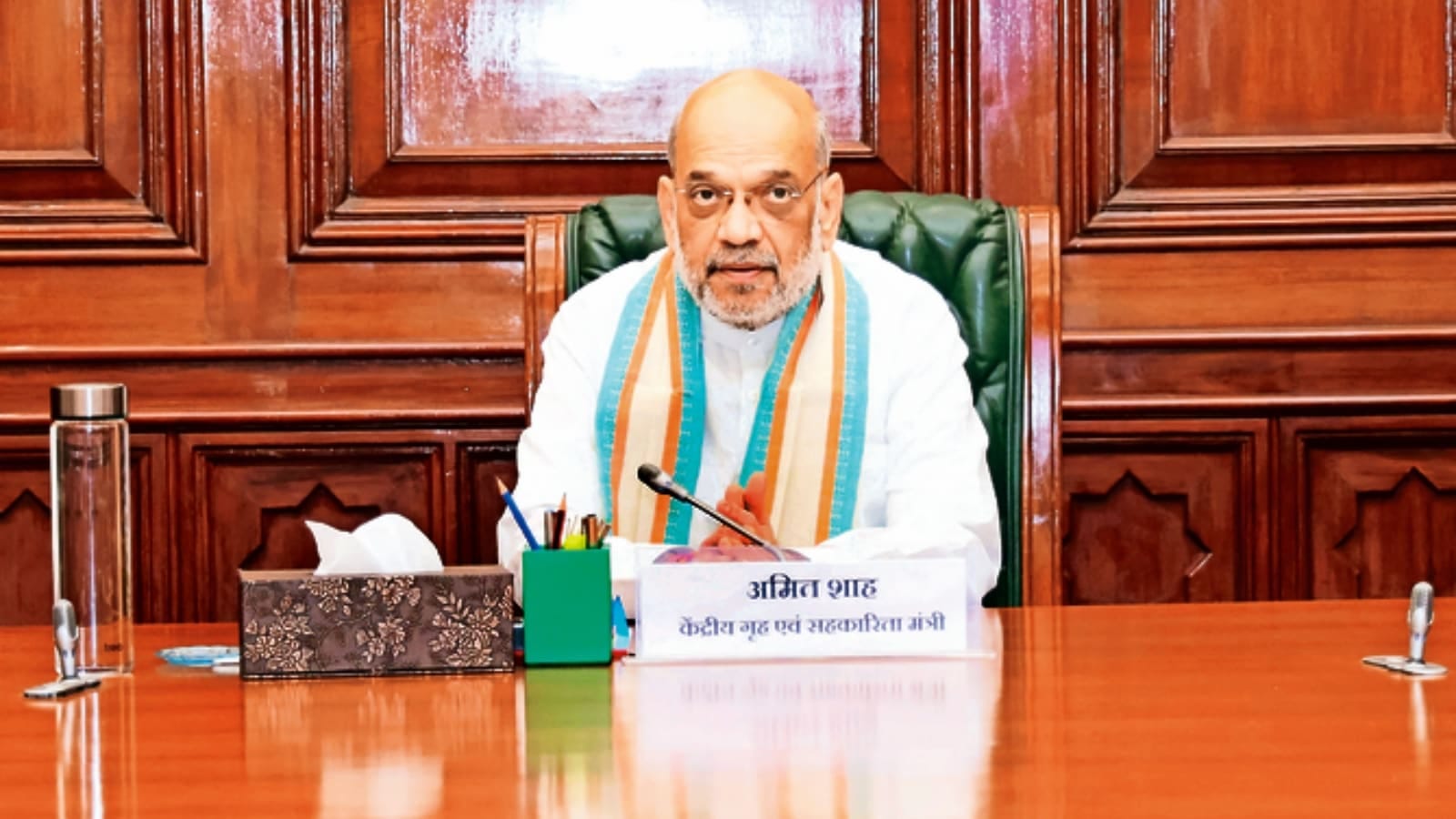
Union Home Minister rules out talks; surrender-only policy
Offers “lucrative surrender and rehabilitation policy”
March 31, 2026, set as deadline to end Maoism
The Home Minister has officially hung up the phone on the Maoists, replacing the dial tone with a ticking clock and the promise of a ‘lucrative’ severance package. It’s the corporate downsizing approach to counter-insurgency. 🔗
2. 💊 India Probes Cough Syrup Linked to Nine Child Deaths

Investigating Coldrif Cough Syrup; after nine child deaths in Madhya Pradesh
Samples found with toxic chemical; Diethylene Glycol (DEG)
Inspections launched; at 19 drug manufacturers across six states
Another horrifying story of contaminated medicine, another investigation. This follows international scrutiny over Indian-made syrups linked to deaths in Gambia, raising deeply uncomfortable questions about quality control in the “pharmacy of the world.” The real currency at stake is India’s global reputation as a reliable pharmaceutical manufacturer. Failure to act decisively risks long-term economic and diplomatic fallout. 🔗
3. 🌀 Cyclone Shakhti Intensifies, Maharashtra Coast on Alert
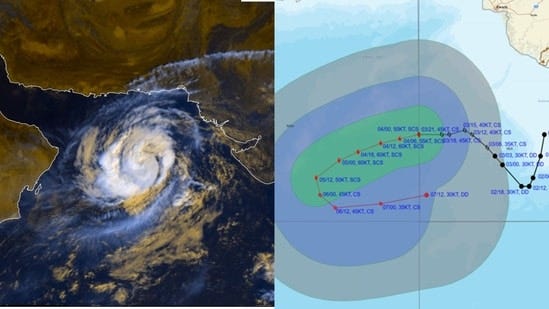
Severe Cyclonic Storm Shakhti; brewing in Arabian Sea
IMD issues warning; for Maharashtra and Gujarat coasts
Classified as a Severe Cyclonic Storm; wind speeds of 100 kmph
Expected until Oct 7; fishermen advised against venturing out
As is tradition, everyone will now spend three days debating if this is a “normal” cyclone or a “climate change” cyclone. The second-order effect is the disruption to supply chains, particularly for fisheries and port logistics, causing a temporary spike in prices for related goods in regional markets even before the storm makes landfall. This long-term shift forces a strategic rethink of infrastructure, insurance, supply chains and disaster management on India’s economically vital western coast. 🔗
⚡️Quick Hits
Economy & Policy
The government’s massive skilling investment is a classic second-order play. Beyond the immediate goal of training, it’s a strategic move to align India’s demographic bulge with future industry needs, aiming to turn a potential liability into a long-term economic asset, much like China did decades ago.
Courts & Crime
The attachment of a militant’s family home under UAPA is a deliberate strategy to raise the stakes. The government is optimising for deterrence by expanding the consequences of terrorism beyond the individual, targeting the social and logistical support systems that are crucial for sustaining insurgency in the region.
Global Stage
The attack in Somalia, just hours after security roadblocks were lifted, is a textbook example of insurgent strategy. It’s a reaction designed to force the state to reimpose even stricter controls, undermining its own credibility and trapping the populace in a cycle of repression and violence.
Society & Culture
Pro-Palestine mime show halted at Kerala school, sparks protests 🔗
Shubman Gill takes over as India’s new ODI captain 🔗
India bags four medals at World Para Athletics Championships 🔗
Actors Vijay Deverakonda and Rashmika Mandanna get engaged 🔗
Dalit woman from poor background defies odds to become a DSP 🔗
The story of Modumpally Maheshwari becoming a DSP is more than just an individual success; it’s a powerful signal. Her achievement, amplified by the media, will inspire a wave of applications for public service exams from similar backgrounds. This creates a positive feedback loop, increasing competition but also diversifying the talent pool entering the state’s administrative and police services.
The Deep Dive
Why the UPSC Finally Cracked
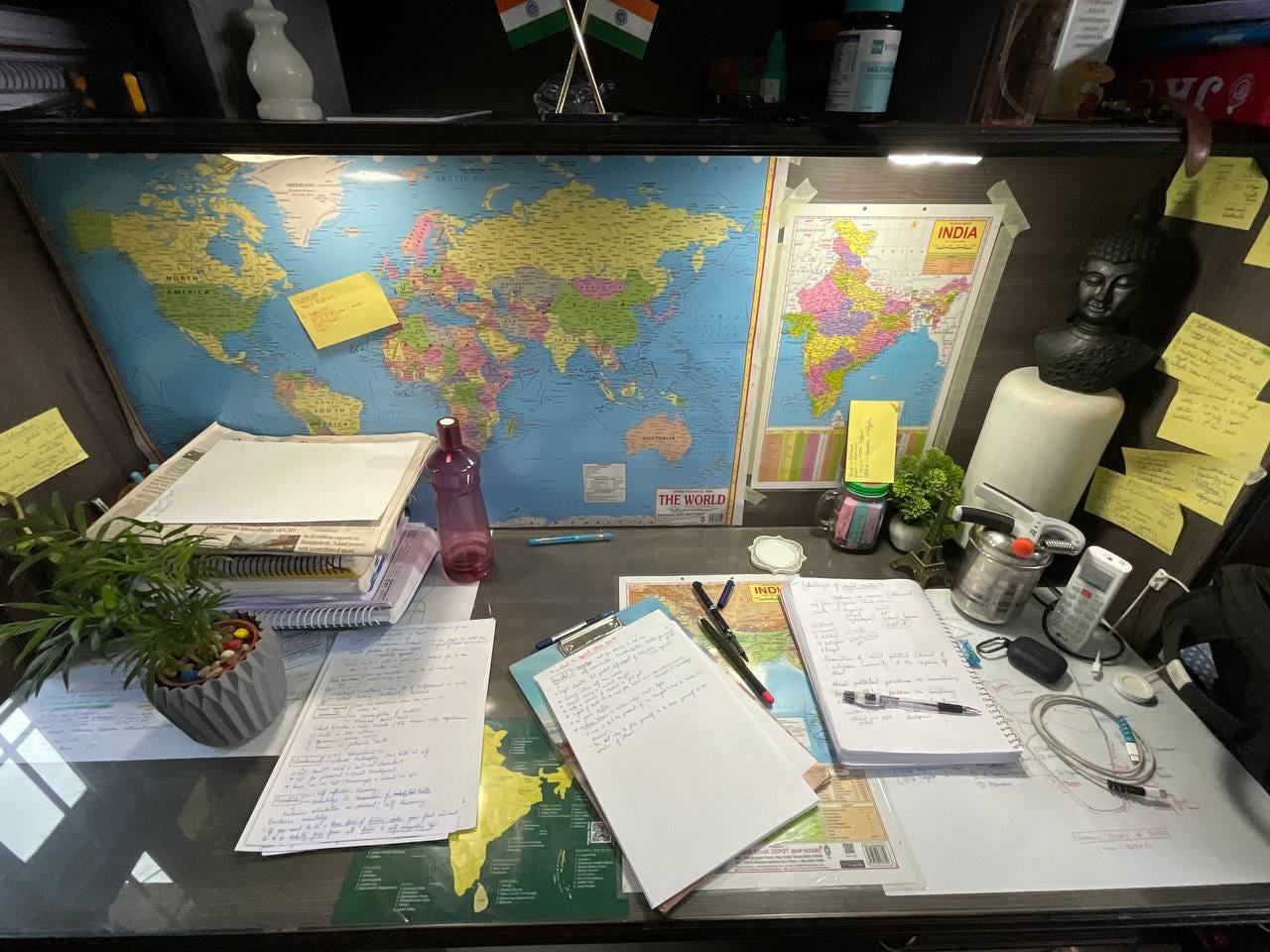
For decades, the Union Public Service Commission (UPSC) has operated with the institutional arrogance of a body that knows it holds the keys to the kingdom. Its processes were opaque, its decisions final, and its answer keys a sacred text revealed only after the war was long over. This week, that fortress cracked. The decision to release provisional answer keys immediately after the preliminary exam isn’t just a procedural tweak; it’s a capitulation.
So, what changed? The UPSC didn’t suddenly have an epiphany about transparency. This is a story of incentives. For years, the commission’s primary incentive was to maintain its own authority and operational simplicity. Releasing keys early meant inviting a deluge of challenges, litigation, and administrative chaos, threatening the sanctity of its rigid, year-long timeline. The cost of transparency was too high.
But the incentives shifted. A sustained campaign by aspirants, amplified by coaching centres and culminating in a Supreme Court petition, changed the calculus. The new cost became reputational. The narrative was no longer about a steadfast institution, but an archaic, unaccountable one. Facing mounting legal pressure and public cynicism, the cost of not being transparent became greater than the cost of dealing with the messy aftermath. The UPSC is optimising for its long-term survival and credibility in an era where institutional opacity is no longer tenable. It’s a forced evolution, proving that even the mightiest pillars of the establishment can be moved by persistent, targeted pressure.
Question for the day
The UPSC will now allow candidates to challenge its answers, but only with “three authoritative sources.” In an age of information overload, what truly counts as an authoritative source anymore?
Comment with your thoughts.
Stay sharp,
Aditya S.
Editor, The India Brief
P.S. While putting this together, I was listening to Khwaab by Anumita Nadesan. A perfect track for a day of quiet revolutions.