
☕ India’s Morning Briefing: Here's what matters this Sat, Oct 04
130th Edition | 04 October 2025


Good morning India.
Today, Hamas partially accepts the peace plan, FM hints for stablecoins and internal fractures in BJP are becoming visible. Here in India for you in 5 minutes.
🔑 The 4 Big Stories
1. 🕊️ Hamas Conditionally Agrees to Trump’s Gaza Hostage Plan
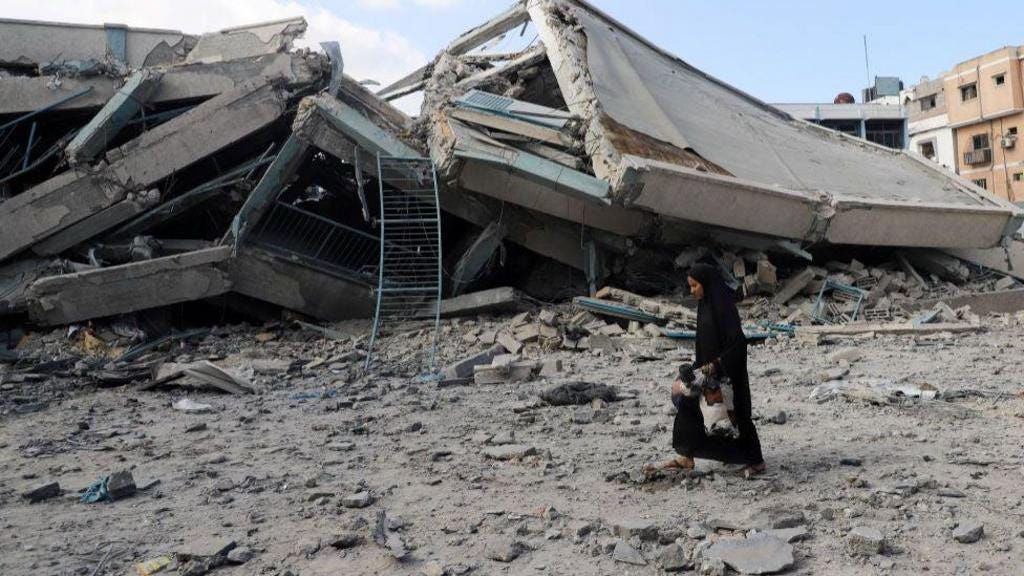
Agrees to release all hostages; under US-led proposal
Seeks further negotiations; on plan to end the war
Israeli attacks continue; in Gaza City
Hamas has replied to the peace plan with the diplomatic equivalent of ‘I’m interested, but let’s see other people.’ It’s a ‘yes, but...’ that keeps everyone at the table while the ground continues to shake.
And Then What?: Hamas’s conditional acceptance is a strategic masterstroke. It shifts the diplomatic pressure onto Israel and the US. Now, any breakdown in talks can be framed by Hamas as Israeli intransigence, fracturing international support for Israel’s ongoing military operations. 🔗
2. 🗣️ India Demands Pakistan Answer for PoK Human Rights Violations
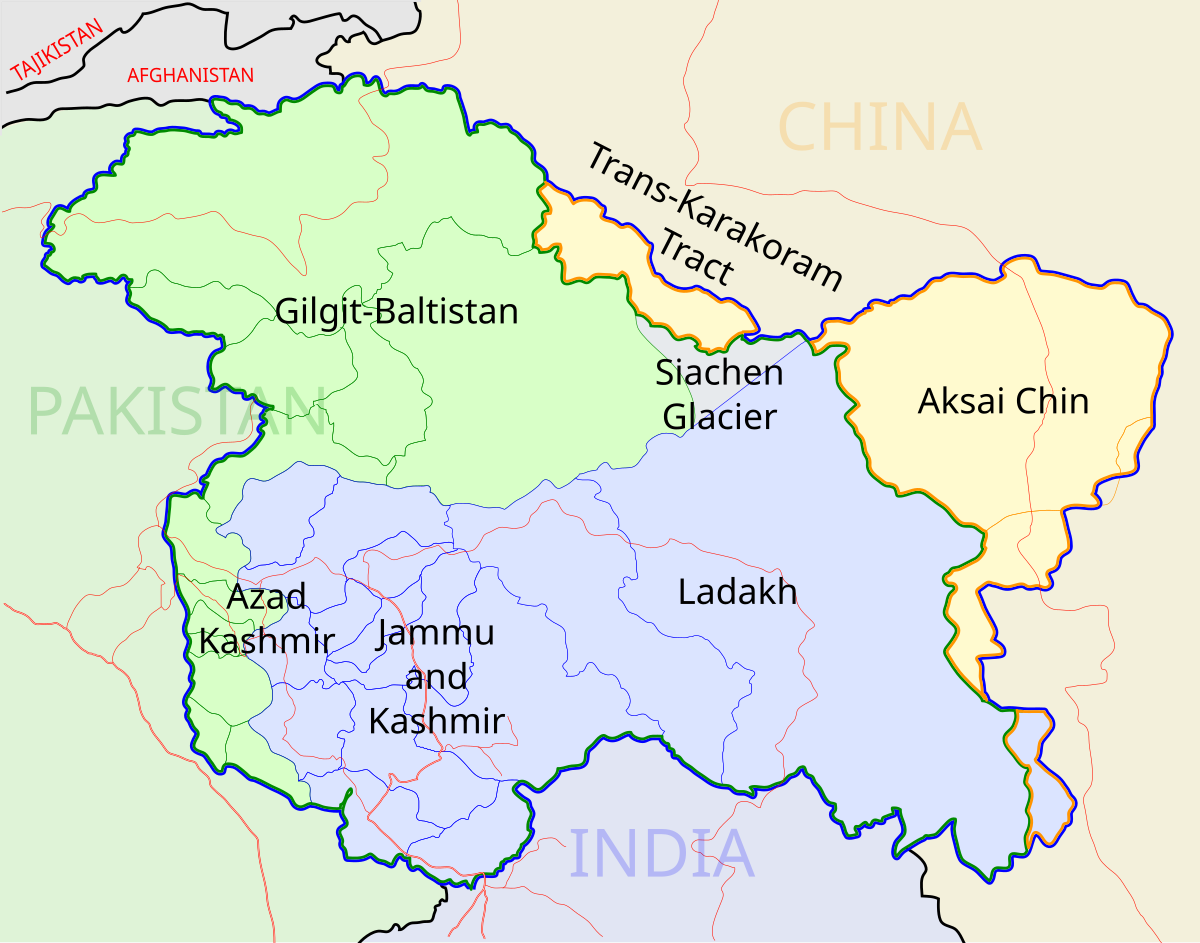
MEA statement; amid widespread protests in PoK
Calls protests “natural consequence”; of Pakistan’s “oppressive approach”
Demands accountability; for “horrific” violations
Protestors are demanding structural and political reforms
India has activated its ‘I told you so’ protocol regarding PoK. New Delhi is watching the protests across the border with the kind of grim satisfaction usually reserved for seeing a rival’s poorly planned project collapse.
The Chessboard: This is a calculated move in the decades-long narrative battle over Kashmir. By amplifying internal unrest in PoK, India aims to undermine Pakistan’s international credibility on the Kashmir issue, framing it as an occupier failing its people, not a legitimate stakeholder. 🔗
3. 💬 J&K BJP Leader Threatens Resignation Over UP CM’s Remarks
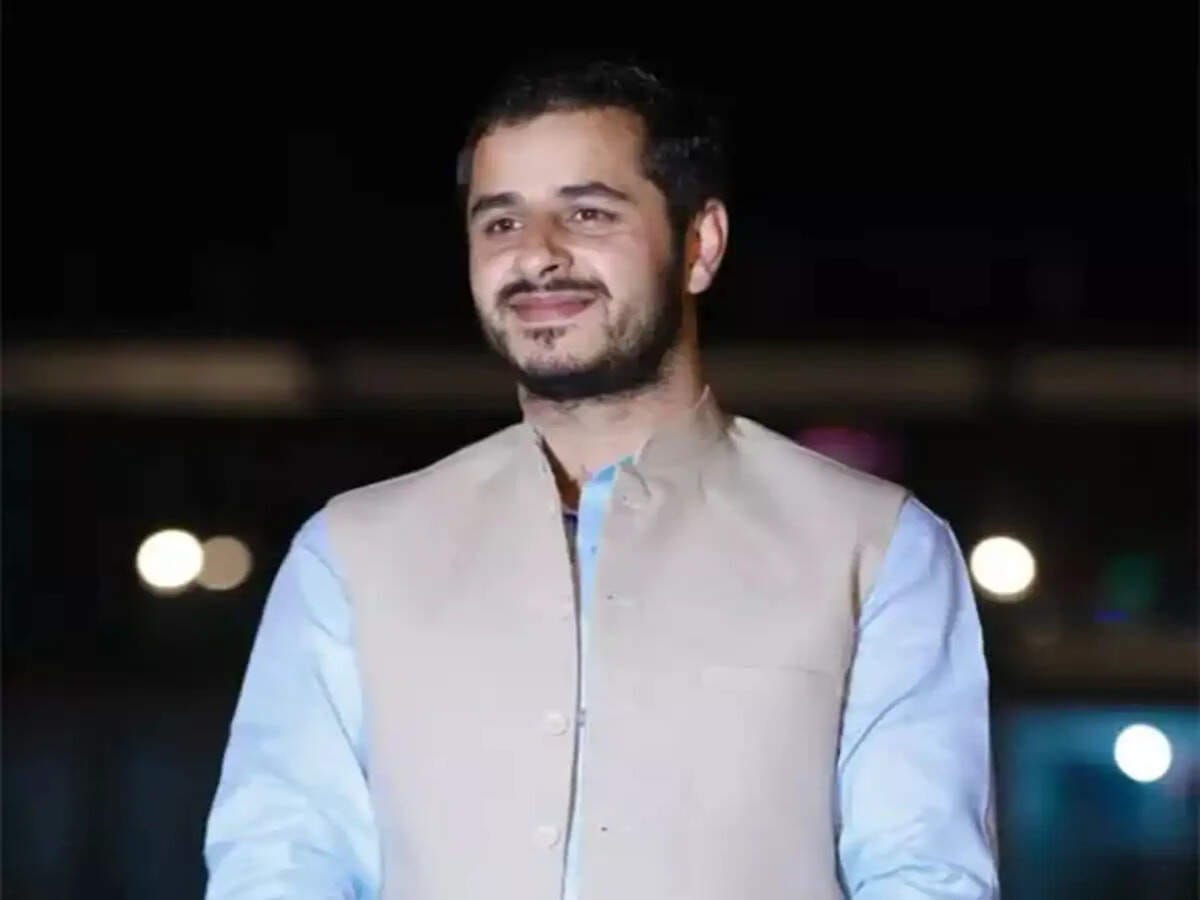
Internal dissent in BJP; over ‘I Love Muhammad’ row
J&K leader, Jahanzaib Sirwal, calls remarks; by Uttar Pradesh CM “unacceptable”
Highlights communal fault lines; within the party
Well, this is awkward. A BJP leader in Jammu & Kashmir is finding a BJP Chief Minister’s comments a bit too spicy for his local constituency. It’s a classic case of ‘what plays in Peoria’ not playing so well in Pahalgam.
Follow the Currency: The J&K leader is optimising for political survival in a Muslim-majority region. His public dissent is a calculated move to distance himself from polarising rhetoric that could alienate his voter base, prioritising local electability over party-line uniformity. 🔗
4. ₿ India Must Prepare for Stablecoins, Hints Finance Minister
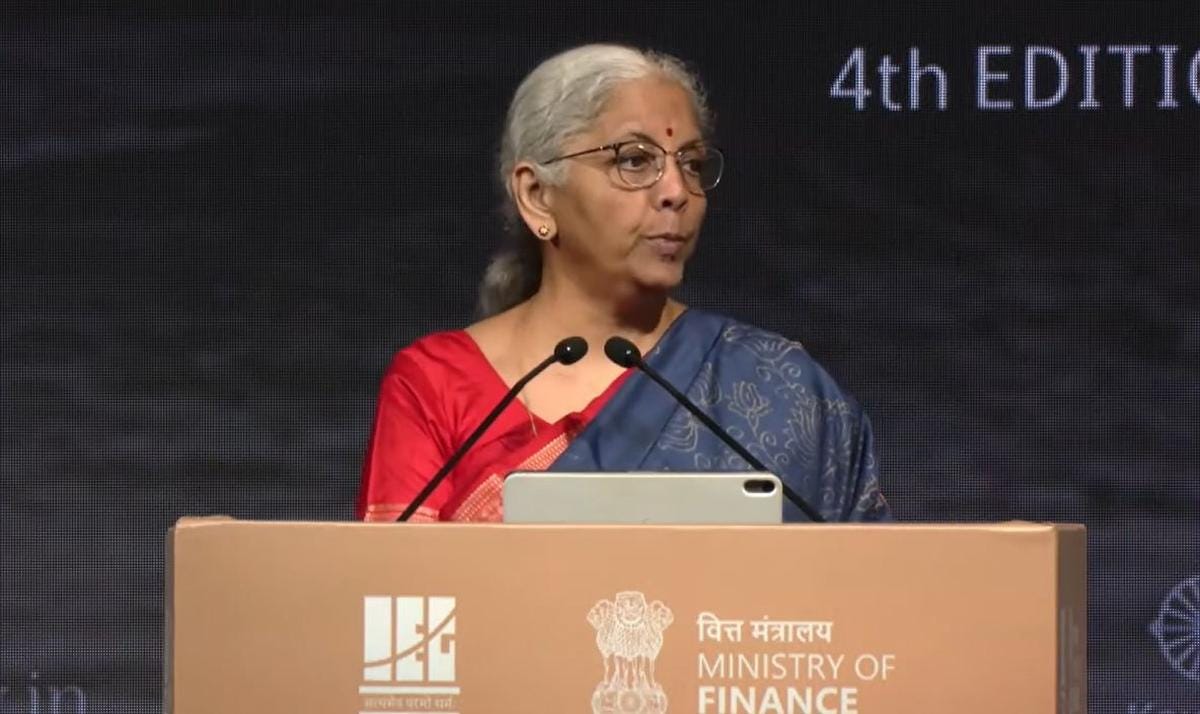
FM Sitharaman signals; possible shift in India’s crypto stance
States need to engage; with stablecoins
Follows RBI Governor’s comments; on India as “anchor of stability”
After treating crypto like a weird cousin you don’t talk about at family gatherings, the government might finally be sending it a dinner invitation. A very cautious, heavily supervised dinner invitation.
And Then What?: Acknowledging stablecoins is the first step. This will trigger a regulatory cascade: defining what a ‘permissible’ stablecoin is, creating frameworks for their operation, and integrating them into the existing financial system, potentially paving the way for a digital rupee. 🔗
⚡️Quick Hits
Politics & Policy
Analysis: The CJI’s “rule of bulldozer” comment is a direct judicial assertion against executive overreach, reinforcing the Supreme Court’s role as a constitutional check. This isn’t new; it’s a historical pattern where the judiciary publicly reasserts its independence during periods of strong executive action, reminding the government that legality and justice are not always the same thing.
Economy & Business
Analysis: India is playing on two fronts. Domestically, the FM’s rhetoric is a form of economic statecraft, designed to inoculate public sentiment against global volatility. ⓶ Internationally, calling out Pakistan over PoK while its own actions in Ladakh are under scrutiny is classic whataboutery, a second-order effect to pre-emptively neutralise criticism.
Global Arena
Analysis: Putin’s praise for Modi and pledge to boost imports is a textbook move in Russia’s strategic pivot to the East. This isn’t just about trade; it’s about building a key pillar of a non-Western alliance. By strengthening economic and political ties with India, Moscow aims to create a multipolar world order that can effectively counter US and European influence.
Society & Culture
Mirabai Chanu defies injury to win World Championship silver 🔗
Hoax bomb threats target Tamil Nadu Chief Minister and Governor 🔗
Idol immersions mark joyful end to Durga Puja festivities 🔗
Bengaluru electricity bills to be based on a 3-month average due to a software upgrade 🔗
West Bengal braces for heavy rains as a deep depression weakens 🔗
Analysis: Mirabai Chanu’s silver medal reinforces a powerful modern Indian archetype: the female athlete from a humble background achieving global dominance through sheer grit. Her story follows the path of icons like Mary Kom, symbolising individual resilience triumphing over systemic challenges and inspiring millions on the ground.
The Deep Dive
The India-China Thaw That Isn’t
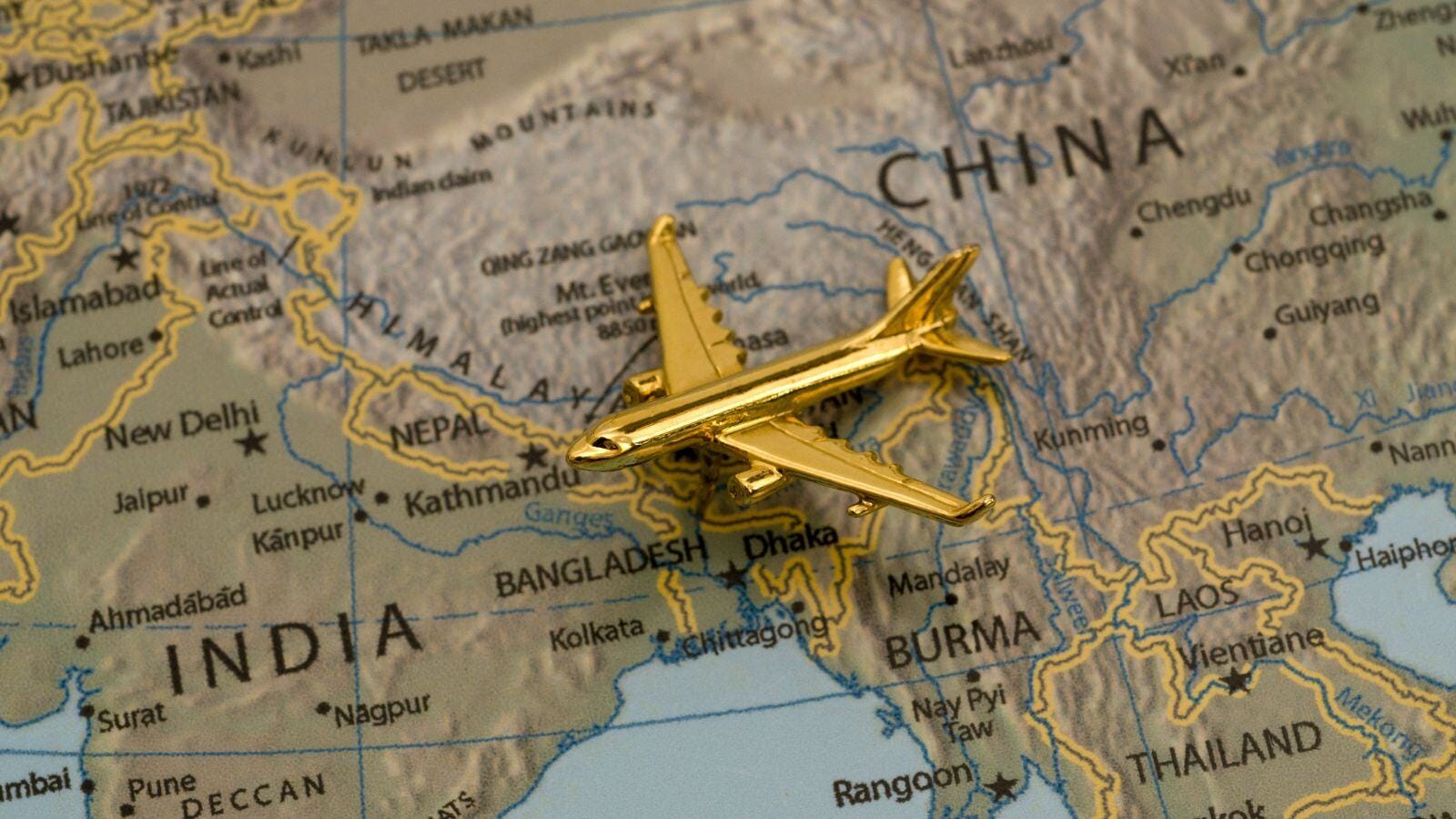
On the surface, the decision to resume direct flights between India and China after a five-year freeze seems like a step towards normalisation. Dig a little deeper, and it looks less like a thaw and more like a calculated, tactical adjustment in a very cold war.
This move isn’t about friendship; it’s about leverage. Zoom out, and you see two Asian giants navigating a world increasingly defined by their rivalry and by pressure from Washington. For years, New Delhi rightly held back on resuming flights, citing the unresolved military standoff in the Himalayas where soldiers still face off. So, what changed? The global chessboard did.
Both India and China are feeling the heat from US trade policies and attempts at geopolitical containment. Re-opening a direct economic channel is a pragmatic signal to the West that neither country is fully locked into a US-led bloc. It’s a diversification of options. Economically, it’s a no-brainer; trade remains vast, and routing through Singapore or Bangkok is inefficient. This isn’t a sign of peace breaking out. It’s a masterclass in modern geopolitics: maintaining open channels with your primary rival to manage economic realities, even as you prepare for the next confrontation.
The resumption of flights between India and China shows a desire for economic engagement despite deep strategic rivalry. Can these two things truly coexist long-term, or is one destined to eventually give way to the other?
Reply with your thoughts.
Stay sharp, Aditya S.
P.S. A great video for you this weekend.