
Thousands Strikes, but Zomato/Swiggy Still Got Record Orders
☕ India’s Morning Briefing: Fri, January 02

Hello, and welcome to the brief.
If the first day of 2026 is any indication, the year ahead will be defined by a fascinating friction between the comforting inertia of old rituals and the violent birth of new norms.
Welcome to the 199th edition of The India Brief
☢️ The Atomic Exchange: 35 Years of Protocol
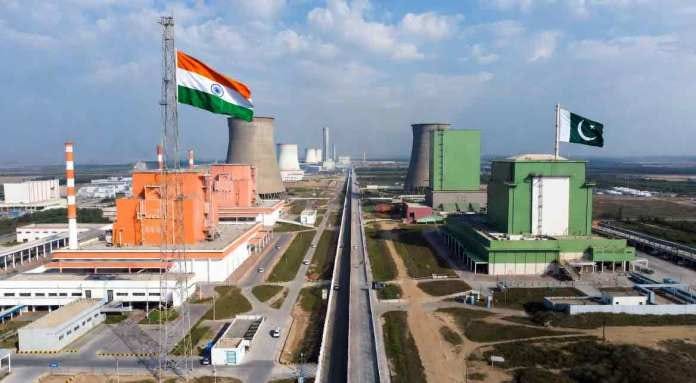
🤝 Event: India, Pakistan exchange nuclear facility lists.
📜 Context: Annual Jan 1 ritual since 1992.
🛡️ Goal: Prevents accidental strikes on atomic assets.
The Take: It’s the only WhatsApp group where India and Pakistan still say “Happy New Year” without fighting, albeit with a list of bomb targets. A relic of stability in a volatile region, proving that despite frozen dialogue, the deep state’s “existential hotline” remains functional.
💧 Indore’s Water Tragedy: The Clean City’s Stain
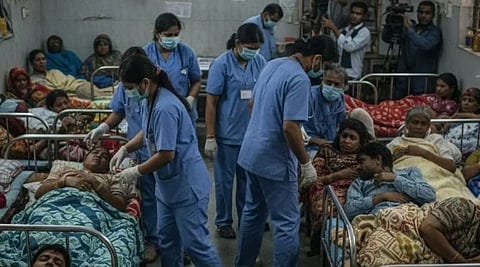
☠️ Crisis: Contaminated water kills 4-13; 200+ hospitalised.
🏆 Irony: Occurred in India’s perennial “Cleanest City.”
🚨 Fallout: Officials dismissed; probe ordered immediately.
The Take: This exposes the “rankings trap”, chasing and glorifying cities prioritises them to be visibly beautiful, often over invisible, rotting subterranean infrastructure like sewage pipelines.
🛵 Gig Strike vs. The Algorithm: Who Won?
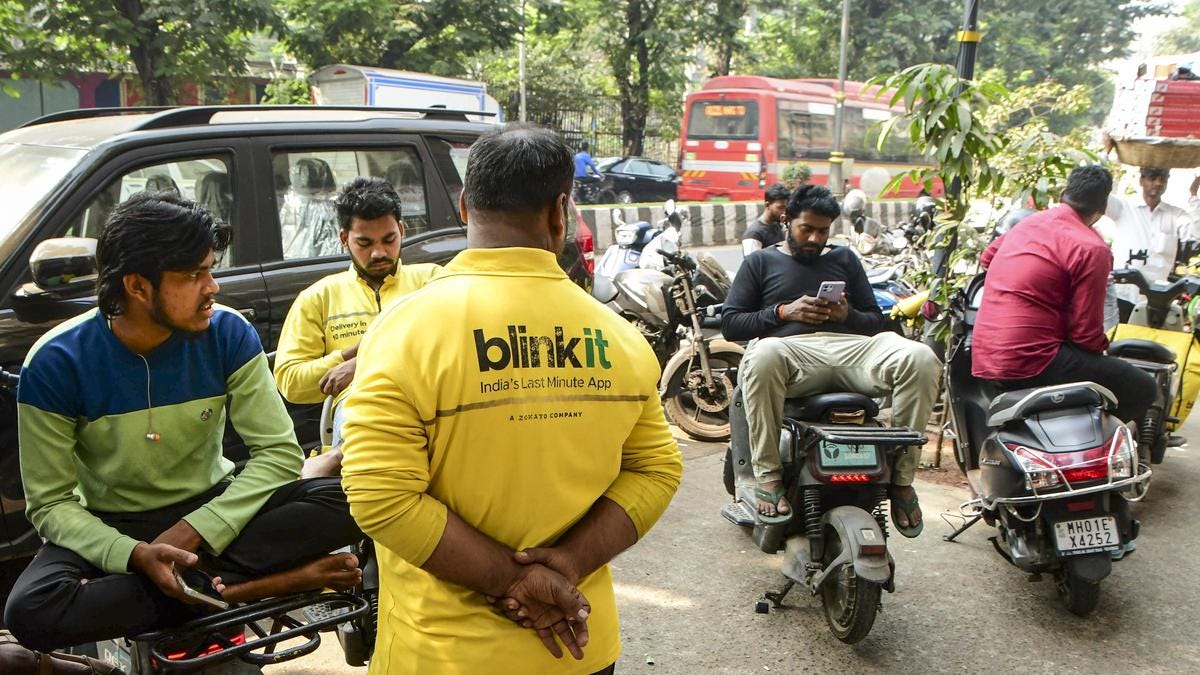
✊ Event: Thousands strike; Zomato/Swiggy report record orders.
🗣️ Claim: Platforms cite “negligible impact” from protest.
📱 Reality: Surge pricing masked supply shortages.
The Take: The platforms shrugged off the strike like a bad review, proving their algorithms manage dissent as efficiently as they manage delivery routes. The “negligible impact” narrative signals that the labour reserve is deep enough to blunt union power, for now. Hopefully, soon the labours have a more meaningful voice.
⛽ Fuel Price Split: Fly Cheap, Cook Dear
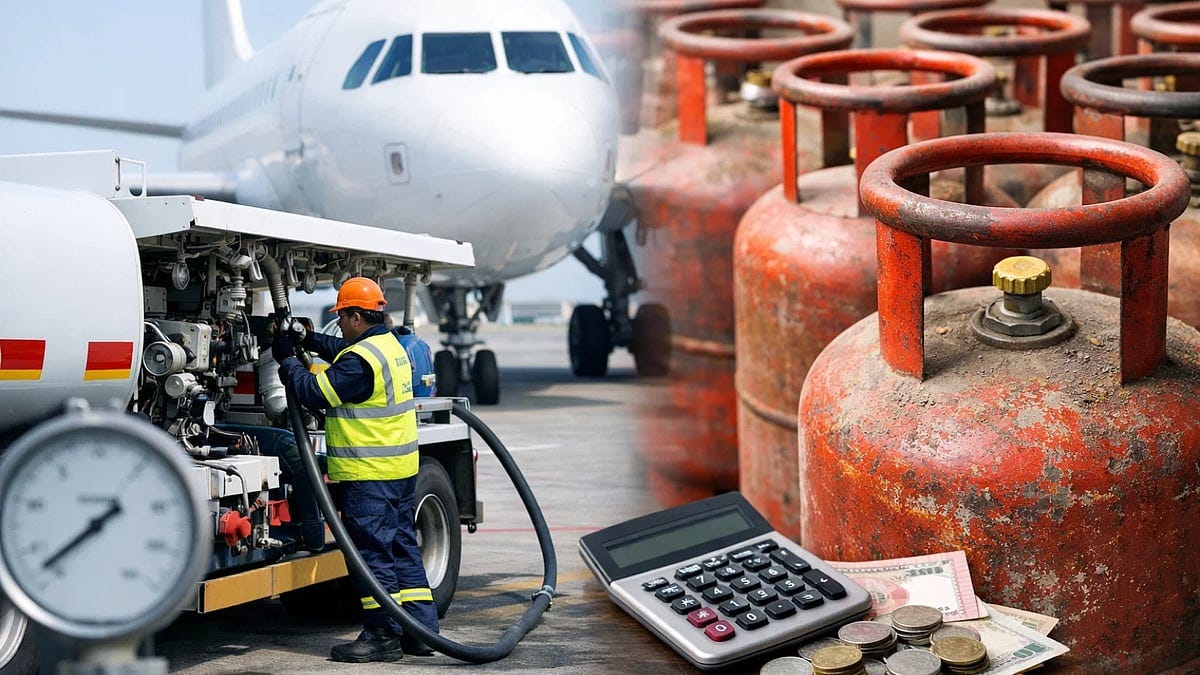
📉 Cut: Aviation Turbine Fuel (ATF) slashed by 7.3%.
📈 Hike: Commercial LPG cylinder prices raised by ₹111.
⚖️ Logic: Balancing transport stimulus with consumption tax.
The Take: Great news if you own a private jet, terrible news if you own a samosa stall. The government is subsidizing high-capex mobility sectors while squeezing revenue from the service consumption economy.
🐔 The Southern Blockade: Poultry Panic
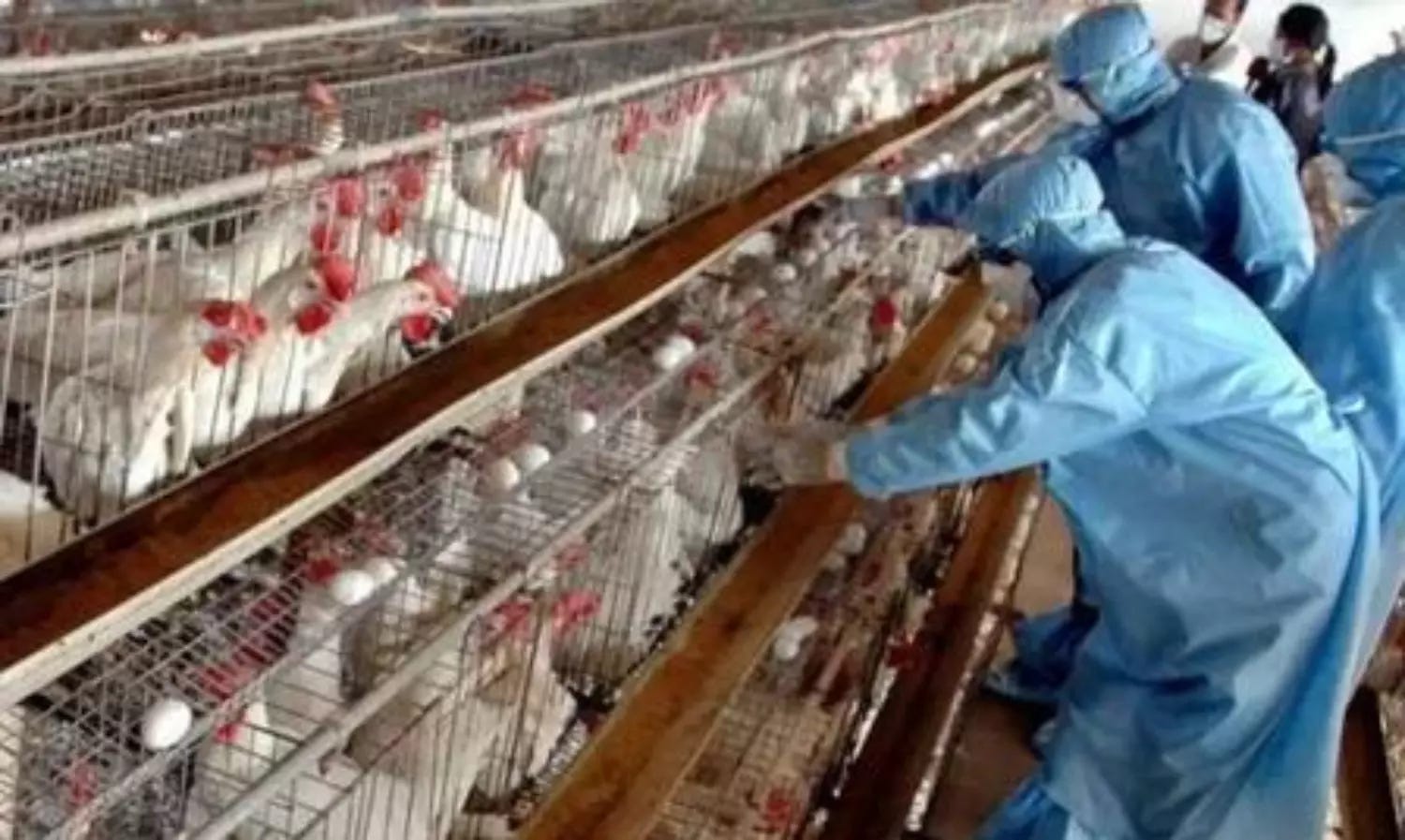
🚫 Ban: TN halts Kerala poultry entry over Bird Flu.
🕵️ Measure: 7 border checkposts activated for surveillance.
🍗 Impact: Prices crash in TN, spike in Kerala.
The Take: The borders are open for tourists but closed for chickens; bio-security is the new state border tax. Regional bio-security blockades are becoming the norm, creating instant, artificial market distortions in the agricultural supply chain.
🏥 Organ Trade: The Cambodia Connection
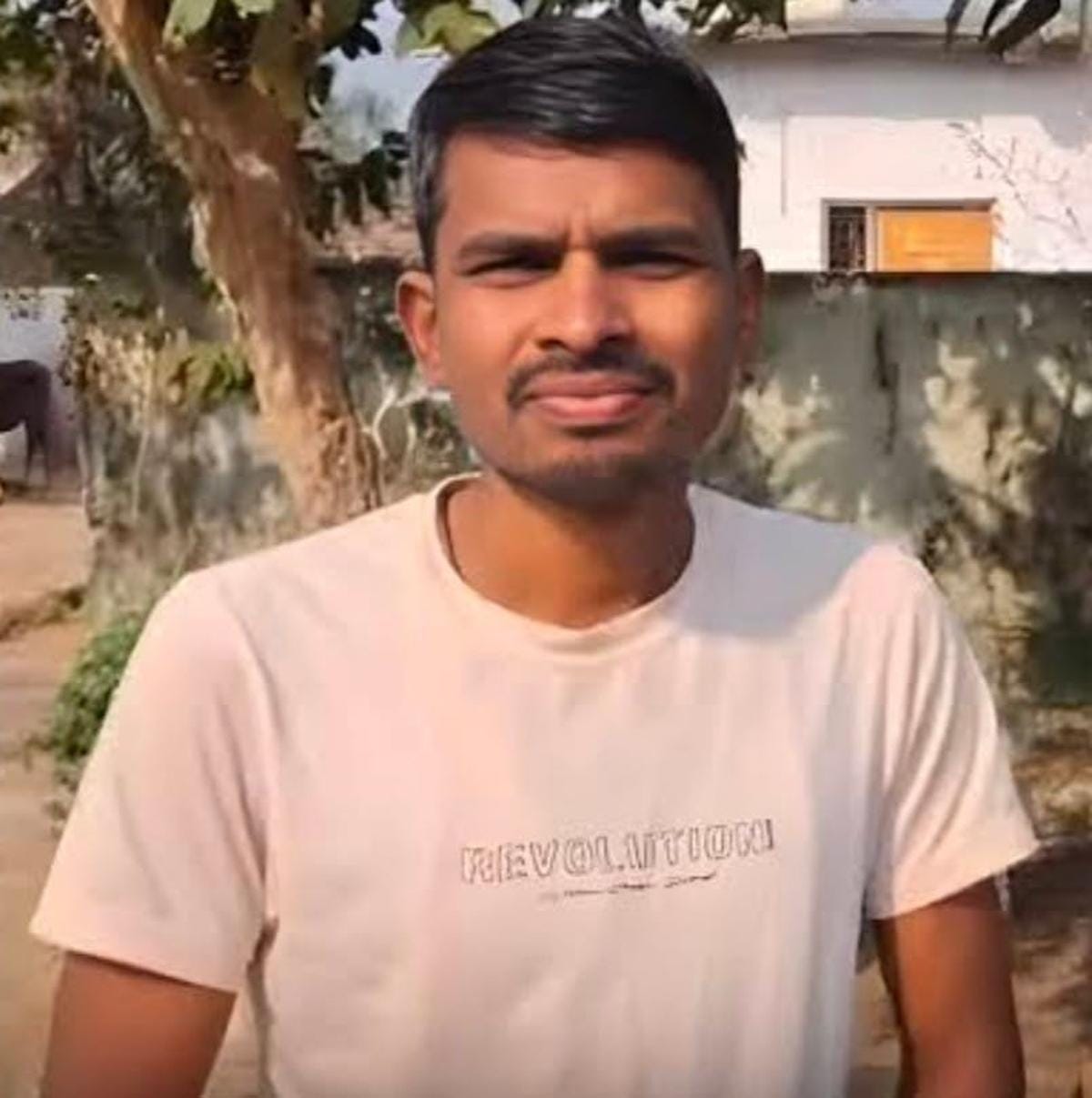
👮 Bust: Maharashtra police uncover international kidney racket.
🇰🇭 Link: Poor farmers trafficked to Cambodia for transplants.
🎥 Trigger: Viral video by a victimised farmer.
The Take: Globalisation has truly arrived when a farmer from Maharashtra loses a kidney in a Cambodian operating theatre. This exposes the dark underbelly of agrarian distress, where bodies are commodified to service the debts of the rural poor.
🔫 Strategic Autonomy: Bullet Proof
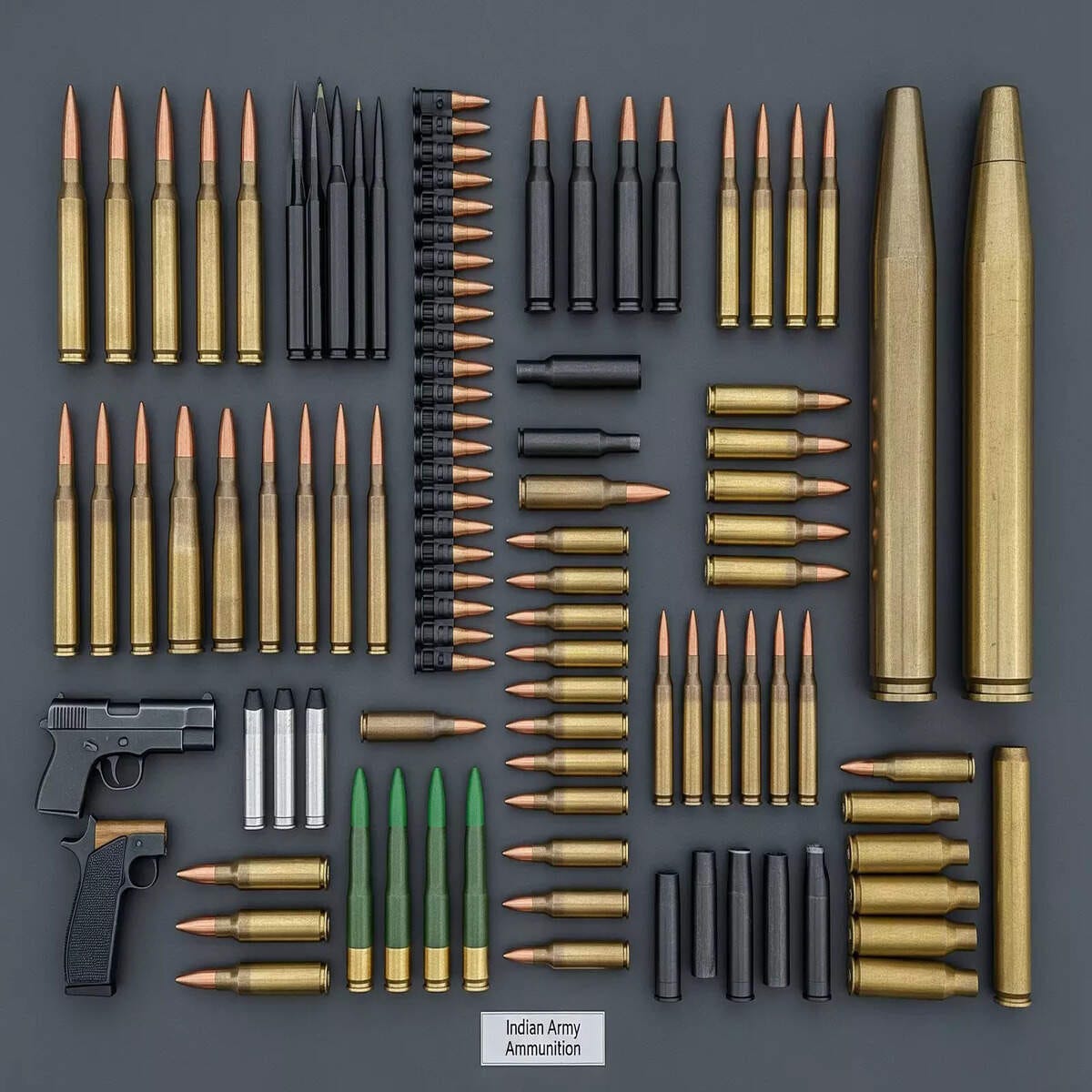
🎯 Milestone: Army achieves 90% ammo indigenisation.
🇺🇦 Driver: Lessons from Russia-Ukraine supply shocks.
🇮🇳 Shift: Ending dependence on foreign ammunition.
The Take: We finally realised that you can’t be a superpower if you have to ask another country for bullets during a war. This is strategic endurance; insulating India from supply chain blackmail is more valuable than any high-tech import.
🏏 Sports Cleanup: The Governance Act
📜 Law: National Sports Governance Act partially notified.
🎯 Aim: Mandates transparency, creates National Sports Board.
🎯 Target: The politician-administrator nexus in federations.
The Take: Politicians running sports bodies now have to act like professionals; expect a lot of grumpy uncles in blazers. Essential prep for the 2036 Olympic bid; you cannot host the world with feudal fiefdoms running your sports.
🚖 The Disruptor: Bharat Taxi Arrives
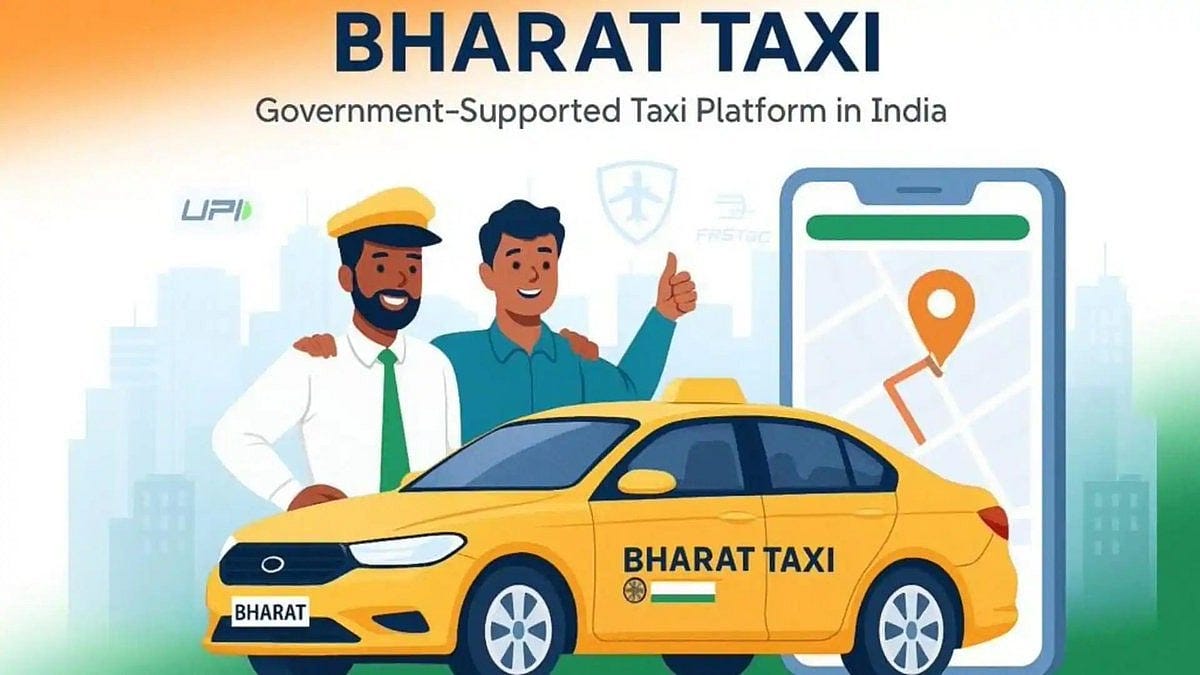
🚕 Launch: Government-backed zero-commission app live.
🤝 Model: Drivers keep 100% fare; cooperative structure.
🎯 Target: Breaking the Uber/Ola duopoly.
The Take: The government decided if you can’t regulate the surge pricing, you might as well build an app to kill it. An experiment in “Digital Socialism”, using public infra (ONDC) to de-commoditise labour and break VC-funded monopolies.
📊 GST Revenue: The Consumption Barometer
📊 Data: Dec GST collection hits ₹1.74 lakh crore (+6.1%).
📉 Trend: Refunds surged, hitting net revenue.
🚦 Signal: Consumption steady despite rate cuts.
The Take: The only thing certain in life is death, taxes, and monthly record-breaking GST press releases. Gross numbers look good, but the high refunds suggest export struggles or input tax credit piles; the economy is stabilising, not booming.
World Watch 🌍
🇩🇪 Germany: The Draft Returns

📜 Law: Conscription process starts; medicals for 18yos.
⚔️ Shift: Post-WWII pacifism officially ends.
🛡️ Reason: Filling NATO ranks amid Russian threat.
The Take: German teens trading gap years for boot camp is the plot twist 2026 didn’t need but definitely got. Europe is hardening; the realization that the US security umbrella is leaking is driving rapid societal militarisation.
🇨🇭 Switzerland: Alpine Inferno
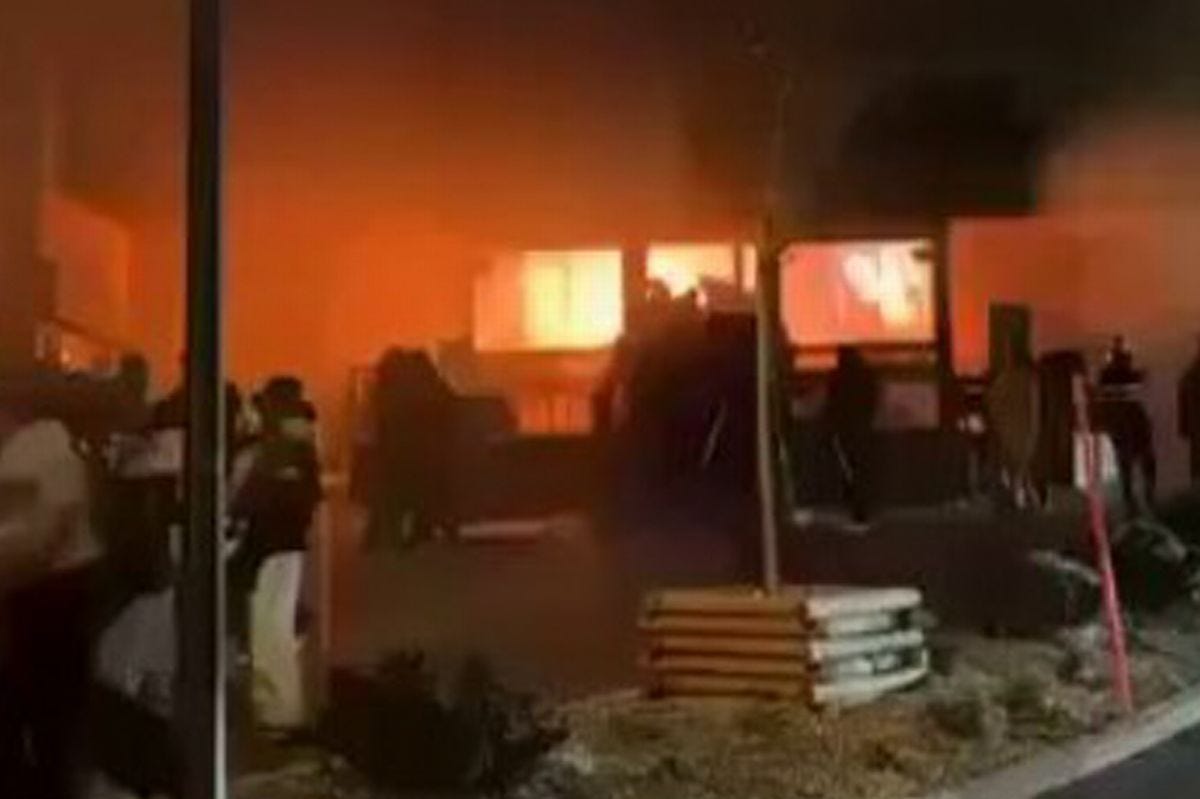
🔥 Tragedy: 40 dead in Crans-Montana bar fire.
🎆 Cause: Candle accidentally ignited the wooden ceiling
The Take: This will trigger a continent-wide regulatory purge on hospitality venues, raising insurance premiums and killing the “sparkler” trend. A moment meant as a celebration, sadly turned into one of the saddest events.
🇰🇷 South Korea: The AI Export Boom

📈 Data: Exports hit record $700bn; chips lead.
🤖 Driver: Insatiable global demand for AI memory.
🔮 Signal: Tech supercycle is far from over.
The Take: While we worry about AI taking jobs, Korea is busy selling the shovels for the gold rush. Korea is the foundry of the AI age; these numbers confirm we are still in the infrastructure build-out phase of the AI revolution.
🇦🇪 Dubai: The Green Pivot
🥤 Ban: Single-use plastics banned; sugar tax live.
♻️ Goal: Rebranding as a sustainable metropolis.
🌍 Target: Attracting eco-conscious global talent.
The Take: Dubai banning plastic is like Las Vegas banning neon, but they are surprisingly serious about it. This is fiscal engineering for health and ESG; reducing diabetes costs and attracting the global creative class who value sustainability.
The Good Stuff 💖
Green Wall: Haryana announced a roadmap to plant the “Aravali Green Wall” by 2030 to stop desertification.
Community Win: 17 villages in Chhattisgarh united voluntarily to protect the endangered Wild Buffalo.
Food Love: Swiggy reported record-breaking Biryani orders on NYE, proving food unites us all.
Deep Dive: The State as Disruptor: Why Bharat Taxi Matters
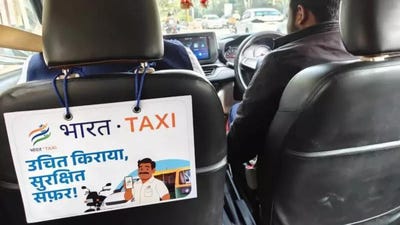
On January 1, 2026, while private gig platforms were busy fighting off a strike, the Indian government quietly launched what might be its most audacious tech experiment yet: Bharat Taxi.
For a decade, the narrative of the gig economy has been simple: Venture Capitalists subsidize rides to build a monopoly, then squeeze drivers and riders to turn a profit. It’s the “Cash Burn” model. Governments usually respond by trying to regulate these giants, see the EU’s labor laws or California’s Prop 22.
India is doing something different. Instead of regulating the player, India is changing the game.
Bharat Taxi isn’t just another app. It’s a “Platform Cooperative” built on the Open Network for Digital Commerce (ONDC). The economics are radically boring: zero commissions. Drivers keep 100% of the fare (minus a tiny subscription fee). Riders pay a transparent price without the opaque “surge” algorithms designed to maximize panic-buying.
Why does this matter? Because it challenges the Silicon Valley dogma that the “middleman” is necessary. Uber and Ola justify their 25-30% cut by claiming they provide the tech and the market. Bharat Taxi says the tech is now a commodity, a public utility, like a road or a UPI transaction.
If this works, it shifts the power balance. The driver is no longer a “partner” (read: serf) to an algorithm; they are a participant in a cooperative. The 30% value that used to flow to investors in San Francisco or Tokyo now stays in the pockets of the driver in Delhi.
The private players know this is dangerous. Their model relies on network effects. But if the government provides a free, open network, their moat dries up.
2026 will be the test. Can a government-backed app offer the seamless UX we are addicted to? Or will it be a buggy mess? My bet: Never bet against India’s Digital Public Infrastructure. UPI killed the wallet; Bharat Taxi might just kill the commission. Blinkit, Instamart and Zeptos of the world, be on the lookout; because this trial will determine your future.
Sign-Off
Question of the Day: If you could delete one subscription from your life but keep the service forever for free, which one would it be and why is it your OTT platform?
See you tomorrow.
Aditya S.
Editor-in-Chief, OneRead.News