
☕ India’s Morning Briefing: Here's what matters this Wed, Oct 01
127th Edition | 01 October 2025


Good morning. While you were hopefully busy enjoying the last day of september, a political rally’s tragic aftermath turned into a blame game, ECI finally published the voter list for Bihar, and a new peace plan for Israel and Gaza is on the table. Just another Wednesday.
Btw, we’ve also been busy building a new format for you. Hope you enjoy. Let us know your feedback.
🔑 The 4 Big Stories
😥 Aftermath of Karur Stampede Sees Political Blame Game Erupt
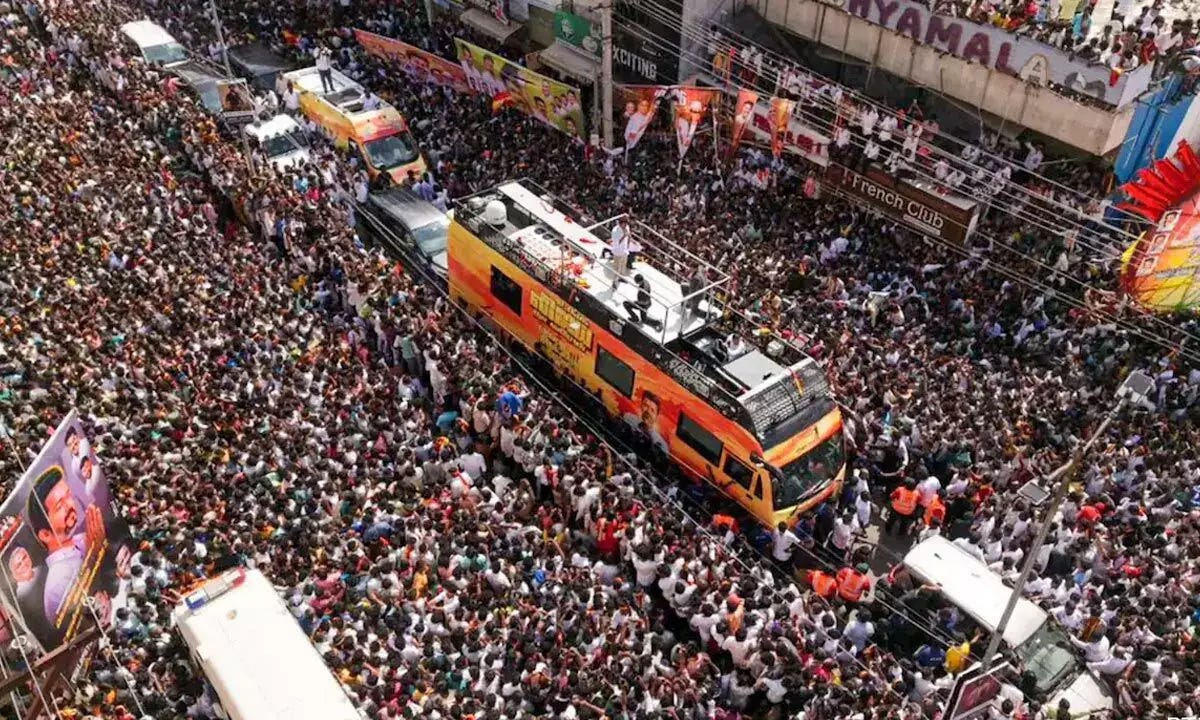
Tragedy fallout; 41 dead in stampede at actor Vijay’s rally.
Vijay blames CM Stalin; questioning if CM is trying to take “revenge” on him
State govt releases visuals; blames TVK for defying orders.
Two TVK functionaries; arrested and sent to judicial custody.
When a political rally turns into a mass-casualty event, the first order of business is, naturally, to figure out who can score the most political points. Heartfelt condolences are nice, but a well-aimed accusation is forever.
The Deeper Take: The currency here is political narrative. Vijay is optimising for the ‘persecuted outsider’ vote by framing this as a state-sponsored attack. Meanwhile, the ruling DMK is optimising for institutional credibility by projecting control and blaming the organisers’ recklessness. 🔗
🏔️ Ladakh Tensions Simmer as Protest Groups Boycott Centre’s Talks
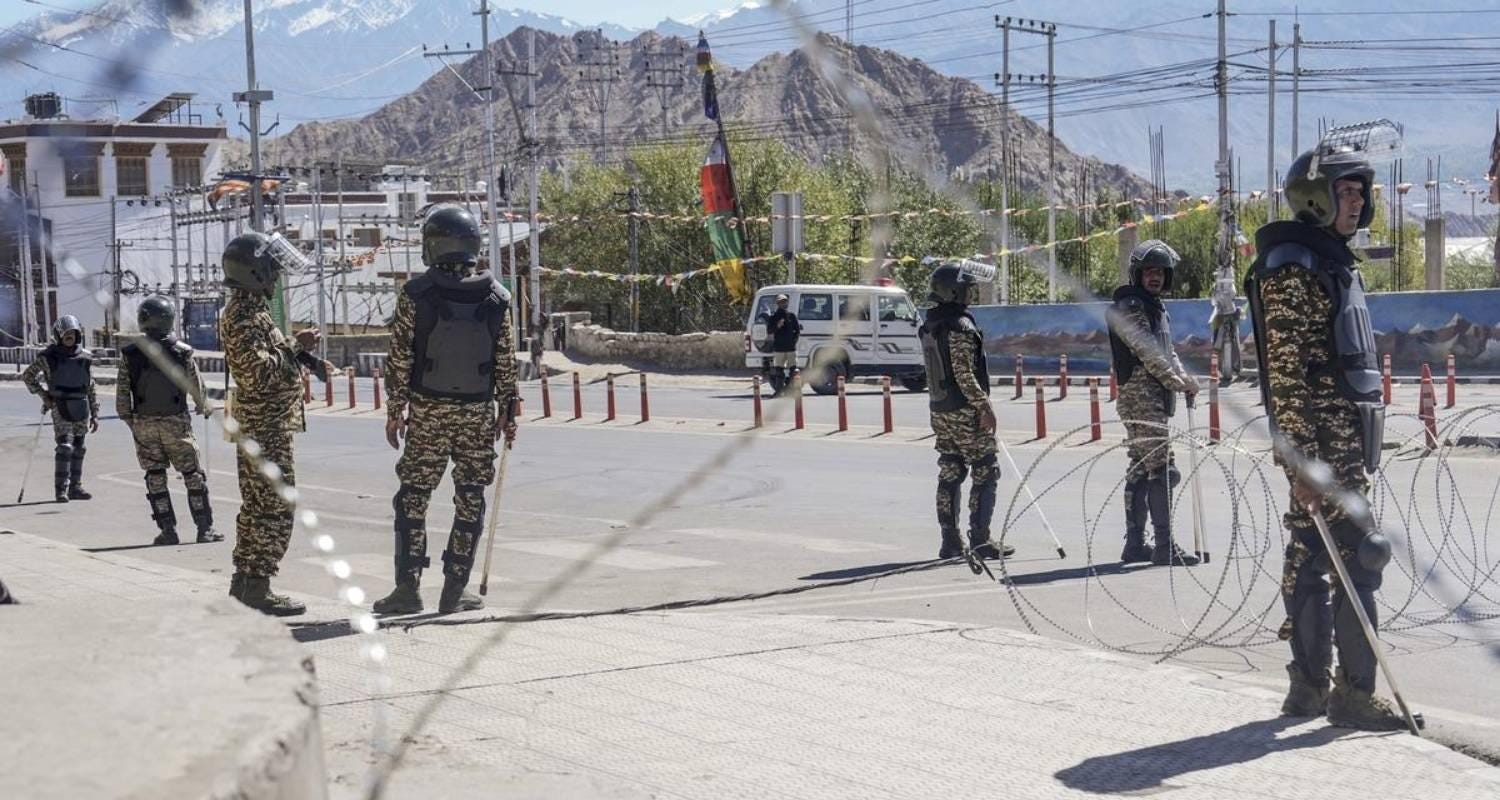
Curfew relaxed in Leh; but internet suspended until Oct 3.
Leh & Kargil bodies; boycott talks with central government.
Demand release of detainees; including activist Sonam Wangchuk.
PIB fact-check; debunks “digitally altered” video on Wangchuk’s arrest.
The government’s strategy seems to be ‘let’s talk, but on our terms, and while we hold all your people and cut off your internet’. It’s a bold negotiating tactic; let’s see how it plays out for them.
The Bottom Line: The government is optimising for stability in a sensitive border region. Using arrests and internet shutdowns sends a powerful, zero-tolerance message to quell unrest, prioritising immediate territorial security over the long-term political cost of alienating the local population. 🔗
📚 J&K High Court to Hear Plea Challenging Ban on 25 Books
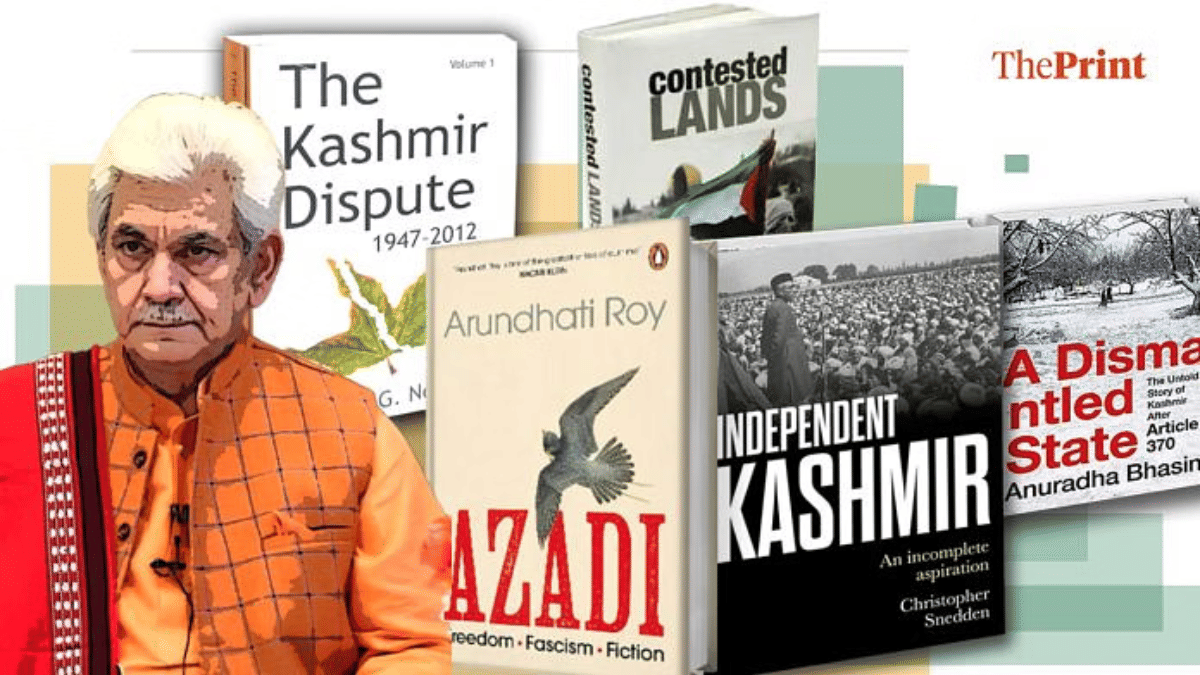
J&K High Court; agrees to consider setting up a special bench.
Petition challenges; forfeiture of 25 books in Jammu & Kashmir.
Books were banned; for allegedly promoting “secessionism” and “false narrative”.
Forfeited works include; those by A.G. Noorani and Arundhati Roy.
A court will decide if banning books is the best way to combat ideas. It’s a bold strategy to win an argument by making sure no one can read the other side’s points. 🔗
🇵🇸 US-Led Gaza Peace Plan Receives Sceptical Global Reaction
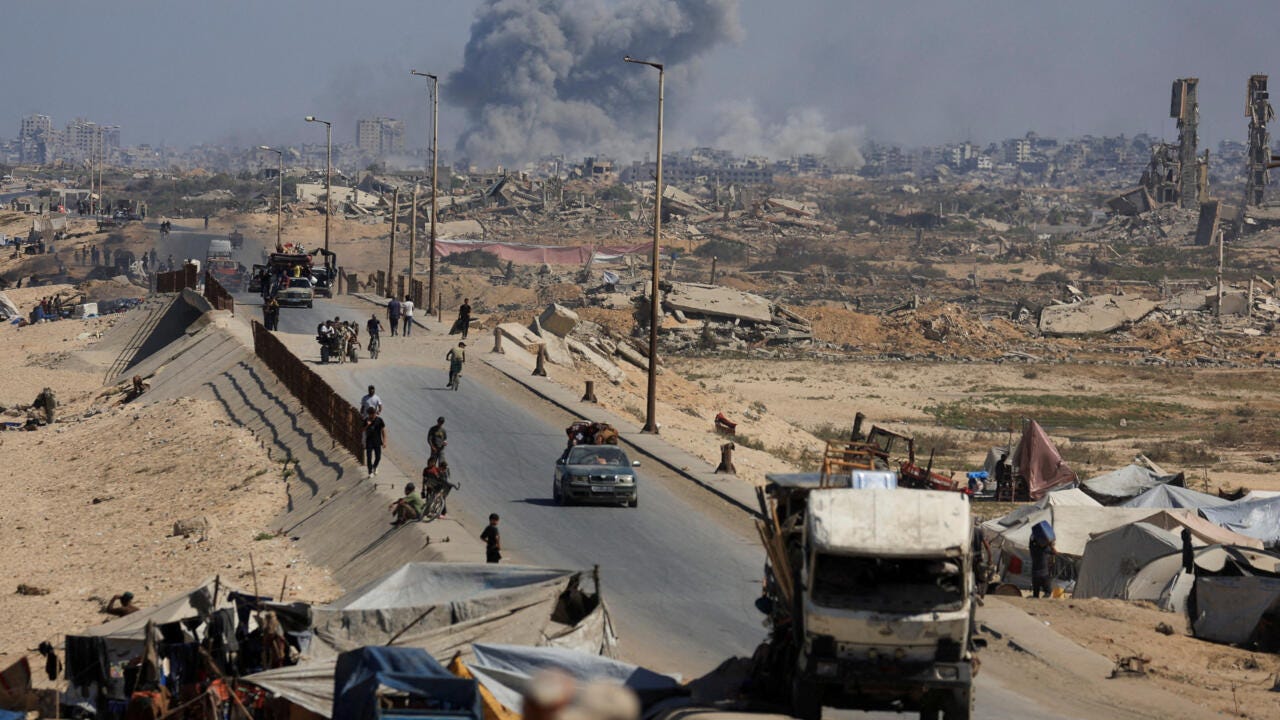
US and Israel; unveil a 20-point peace plan for Gaza.
Qatar says principles; require “detailed discussion” and clarification.
Arab nations want; a final version with “full Israeli withdrawal”.
Many Palestinians; are wary, calling it a “surrender plan”.
The US has dropped a new peace plan for Gaza, which has been met with the same enthusiasm as a surprise calculus exam. Various parties are politely saying “thanks, but we have some notes,” which is diplomatic code for “this isn’t going to work.”
The Deeper Take: Each actor is optimising for a different currency. The US wants a foreign policy ‘win’. Israel wants security guarantees. Key Arab nations want regional stability. Hamas wants survival. The plan fails to offer enough of the right currency to each key player simultaneously. 🔗
⚡ Quick Hits
Politics & Governance
Bihar Electoral Roll Finalised: Tthe Election Commission has published a final voter list for Bihar, removing nearly 5 million names ahead of assembly polls. 🔗
J&K Book Ban Challenged: The J&K High Court will consider a special bench to hear a plea challenging the government’s ban on 25 books for promoting “secessionism”. 🔗
Canada Designates Bishnoi Gang: Following high-level talks, Canada has listed the Lawrence Bishnoi gang as a ‘terrorist entity’, allowing for the freezing of assets. 🔗
Armed Forces “Jointness” a Necessity: Defence Minister Rajnath Singh stated that joint operations among the armed forces are now an “operational necessity, not a choice”. 🔗
Economy & Business
Stock Market’s Losing Streak: The Sensex and Nifty ended in the red for the eighth straight session, with investors cautious ahead of the RBI’s interest rate decision. 🔗
ADB Downgrades GDP Forecast: The Asian Development Bank has cut India’s FY26 GDP growth forecast to 6.5% from 7%, citing the impact of US tariffs on exports. 🔗
Trump’s H-1B Curbs May Shift Work: Economists predict Donald Trump’s proposed H-1B visa crackdown will push US firms to shift more high-value work to India. 🔗
India-EFTA Trade Pact Kicks In: A new trade pact with Switzerland, Iceland, Liechtenstein, and Norway is now active, making goods like Swiss watches and chocolates cheaper. 🔗
Courts & Crime
NCRB 2023 Report: Murders dipped by 2.8% in 2023, but cybercrimes and crimes against Scheduled Tribes saw a significant spike of 28.8%. 🔗
YouTuber Arrested Over Stampede Video: A YouTuber (Felix Gerald) has been arrested in Chennai for posting a video accusing the state government of orchestrating the Karur stampede. 🔗
Hockey Legend’s House Demolished: The Varanasi house of hockey legend Mohammed Shahid was demolished, leading to protests from his family. 🔗
Society & Incidents
Chennai Construction Collapse: Nine migrant workers from Assam were killed after scaffolding collapsed at a power plant construction site in Chennai. 🔗
Nanded Floods Devastate Farmers: Over 2,377 distress calls have been received in Nanded, Maharashtra, where floods have wiped out livelihoods and affected over 60 lakh hectares. 🔗
World
US Shutdown Looms: The US government has officially gone on shutdown as politicians remain deadlocked over healthcare funding. 🔗
Houthi Attack: Houthi rebels hit a Dutch-flagged ship in the Gulf of Aden with a missile, wounding two sailors and escalating maritime tensions. 🔗
The Deep Dive
How to Export American Jobs by Trying to Save Them
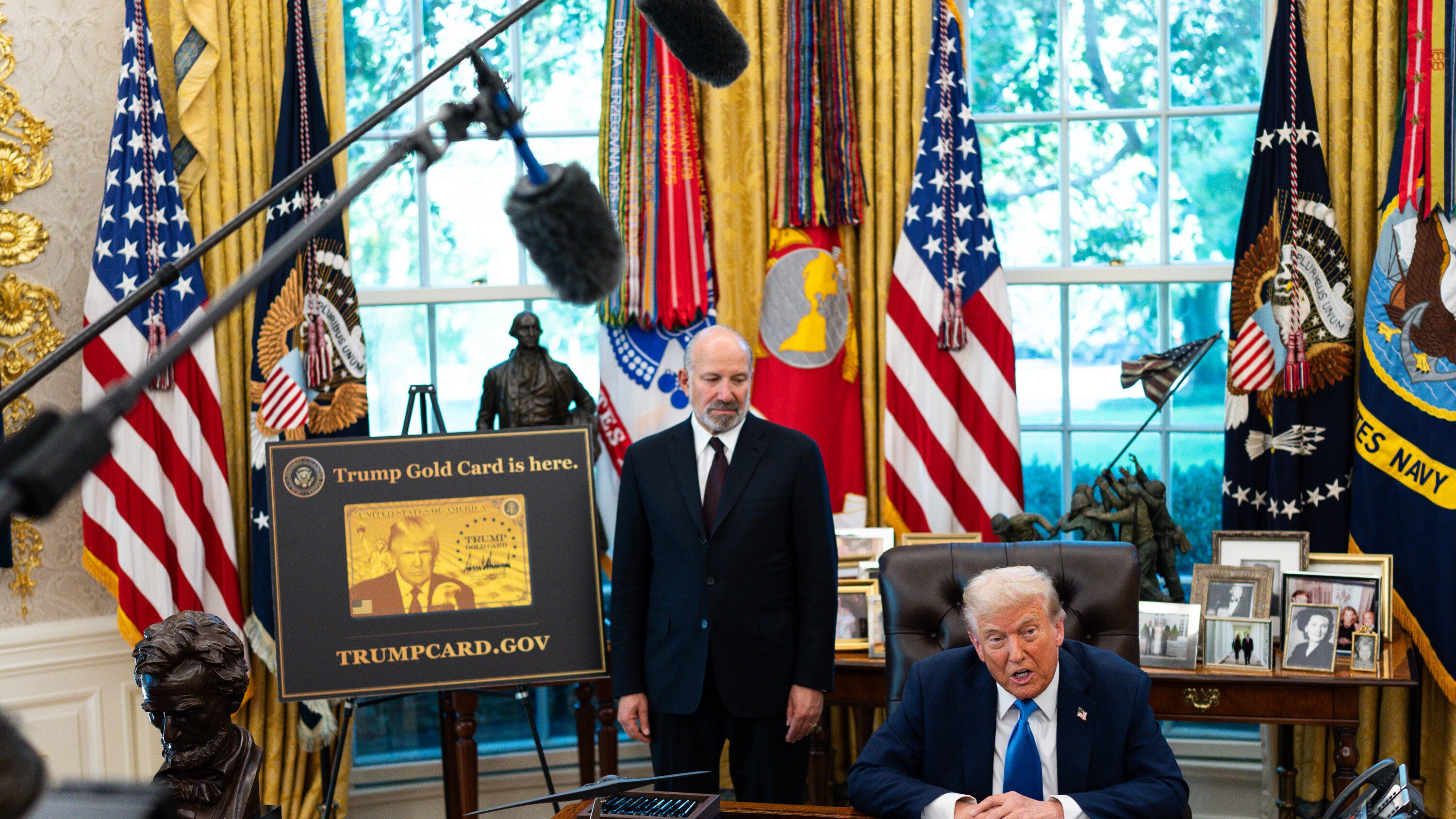
In a move dripping with irony, the Trump administration’s attempt to “protect American jobs” might be the best thing to happen to India’s tech sector this decade. By slapping a prohibitive $100,000 fee on new H-1B visas, the policy aims to make hiring foreign talent so expensive that US companies will be forced to hire locally. It’s a simple, brute-force solution. But it completely misunderstands how modern global corporations operate, and its unintended consequences will be profound.
American tech giants don’t just need bodies; they need highly specialised, world-class talent. If they can’t bring that talent to Silicon Valley, they won’t settle for a less-qualified local candidate. Instead, they’ll simply move the work to where the talent is. And increasingly, that’s India. This is where Global Capability Centres (GCCs) come in. Forget the old idea of call centres; India’s 1,700+ GCCs are now strategic hubs for high-value innovation, R&D, and product design.
But, to fully capitalise on this, the government of India will have to heavily invest in the infrastructure, policies and political alignment.
⓶ And Then What?: The Second-Order Thinking lens reveals the chain reaction. The first-order effect was that H-1B visas become prohibitively expensive. The second-order effect is that US firms, unable to import talent, will instead export entire high-value job functions to their Indian GCCs. The third, and most significant, effect? A policy designed to protect American jobs inadvertently accelerates India’s ascent up the global value chain, transforming it from a support hub into a core innovation engine for the world’s biggest companies. It’s a masterclass in the law of unintended consequences.
Question for you
Can India get its infrastructure and social policies in order before the big push for exported jobs comes in?
Reply with your thoughts.
Stay sharp,
Aditya S.
Editor, The India Brief
P.S. Here’s what was on the turntable while putting this together. Perfect for a morning of untangling geopolitical knots.